


More news on this day
European travelers face a turbulent run into the 2026 summer peak as mounting jet fuel supply constraints and soaring costs push airlines in Spain, Italy, France, Greece, Germany and the United Kingdom into a tight contest for limited supplies, raising the prospect of higher fares, schedule cuts and unexpected cancellations.
Get the latest news straight to your inbox!
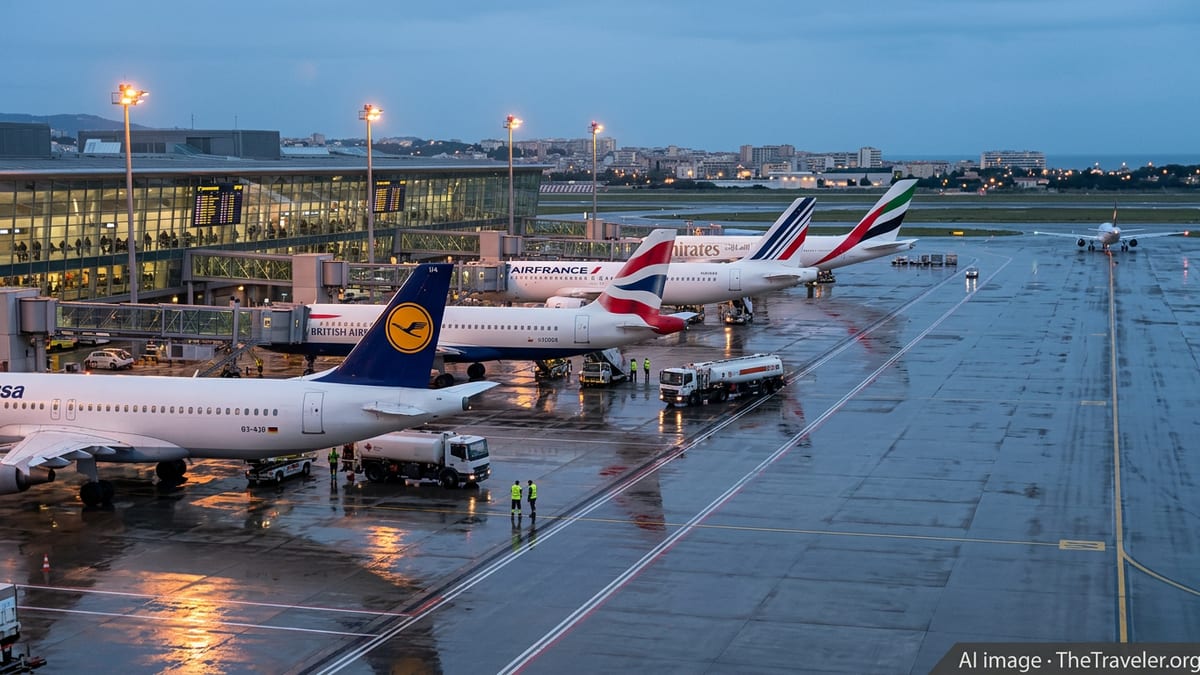
Fuel Shock Collides With Record Travel Demand
The current squeeze on jet fuel is unfolding just as air travel in Europe is setting fresh post-pandemic records, creating a volatile mix for the summer season. Industry data for early 2026 show passenger demand in Europe growing faster than capacity, keeping load factors high and leaving limited slack in airline schedules to absorb new shocks.
The abrupt closure of the Strait of Hormuz in March severed a key artery for global oil shipments, disrupting flows that had supplied a significant share of Europe’s aviation fuel imports. Refiners and airlines are scrambling to replace those volumes through alternative routes and suppliers, but analysts note that jet fuel is a relatively small, complex product stream within overall refinery output, and cannot be scaled up quickly.
Market reports indicate that benchmark jet fuel prices in Europe have more than doubled since early March, far outpacing moves in crude oil and other refined products. Airlines with limited hedging or without access to refinery-linked contracts are bearing the brunt of the increase and are already signaling that higher operating costs will be passed to passengers in the form of higher summer ticket prices.
At the same time, airport and navigation fee increases are adding structural pressure to fares. In Spain, for example, a regulator-approved rise in airport charges for 2026 is feeding into carriers’ cost bases, even as they try to keep capacity in key tourist markets such as the Balearic and Canary Islands.
Spain and Mediterranean Hubs Join the Race for Fuel
Until recently, Spain was seen within the aviation sector as relatively shielded from the most acute risks of a jet fuel shortfall, thanks to a high share of domestic refining and diversified crude oil imports. Publicly available comments from airline executives in early April suggested that Spain could be less exposed than some northern European markets if supply became tight at regional level.
The rapid deterioration in Gulf-origin flows has altered that picture. As imports through Hormuz dwindled, Spanish and Mediterranean airports found themselves competing more directly with northern hubs for Atlantic basin cargoes of jet fuel. Traders report that deliveries into key holiday gateways serving Barcelona, Madrid and Spanish island destinations are now being booked further in advance and at higher premiums than in recent years.
Airlines operating large Spanish leisure programs, including low-cost groups that rely heavily on sun destinations, have already begun to prune their summer capacity. Ryanair, for instance, has removed more than a million seats from its Spanish schedule for 2026, citing a mixture of rising airport fees and higher fuel costs, and has warned that further cuts are possible if market conditions worsen.
Similar dynamics are being reported around Mediterranean tourism magnets in Italy, France and Greece, where peak-season demand is heavily concentrated into a few months. Airport operators are working to prioritize fuel allocations for long-haul and high-density leisure flights, but industry observers caution that localized shortages at specific airports cannot be ruled out at the height of the season.
Italy, France, Germany and UK Face Capacity and Price Strain
Across the wider continent, early signs of disruption are already visible. Reports from several Italian airports in recent weeks describe temporary restrictions on new flight approvals and tighter slot coordination where fuel deliveries have fallen short of expectations. These measures have largely been framed as precautionary, but they underline growing concern about supply resilience into July and August.
In France and Germany, where major hubs anchor both European and intercontinental networks, airlines are leaning more heavily on financial hedges and diversified sourcing to stabilize operations. Yet higher jet fuel costs are feeding through to pricing models. Analysts tracking published fares into Paris, Frankfurt and Munich for June to September note broad-based increases, especially on short-haul leisure routes where fuel accounts for a large share of operating expenses.
The United Kingdom, no longer part of the European Union’s joint energy and aviation frameworks, is viewed by some market commentators as particularly exposed. Recent coverage in British and European media points to the UK’s reliance on Gulf-origin jet fuel imports, suggesting that Heathrow, Gatwick and other major airports may experience some of the stiffest competition for replacement supplies if the Hormuz disruption persists.
Budget carriers that concentrate operations at secondary airports across the UK and Germany have begun trimming frequencies on marginal routes and thinning shoulder-season schedules. While the overall capacity reduction remains modest so far, industry consultants warn that even a 5 to 10 percent cut in flights at busy hubs could translate into noticeable seat shortages and higher average fares for peak travel dates.
Soaring Jet Fuel Costs Flow Directly to Ticket Prices
With fuel historically representing between a fifth and a third of airline operating costs, the recent price spike is reshaping route economics across Europe. Data compiled by aviation analysts indicate that jet fuel demand has been rising by several percentage points annually, while dedicated production capacity in European refineries has lagged, constrained by environmental regulations and competing output priorities for gasoline and diesel.
In this environment, airlines have limited tools to absorb a sudden doubling of jet fuel prices. Many are accelerating efforts to retire older, less efficient aircraft and concentrate flying on high-demand, high-yield routes. Others are revising revenue management strategies, pushing up prices on peak summer departures to preserve margins while attempting to keep some off-peak fares competitive.
Statements from large low-cost groups such as Ryanair highlight a new phase in European ticket pricing. The carrier has already signaled that it expects all airlines operating in the region to raise fares through Easter and into the summer to reflect higher fuel bills. Market research from travel agencies and fare trackers is beginning to corroborate this trend, pointing to double-digit increases on popular beach and city-break routes compared to summer 2025.
Business travel forecasts, meanwhile, suggest that while overall airfares were expected to rise only modestly in 2026 under normal conditions, energy-driven pressures now pose a clear upside risk. Corporate travel managers are being advised to budget for higher transcontinental and intra-European fares, particularly on routes funneled through the most constrained hubs.
Risk of Last-Minute Disruptions as Summer Nears
Europe’s air traffic network typically operates close to capacity during the summer high season, leaving little room to maneuver when unexpected constraints appear. The current fuel challenge adds to existing vulnerabilities ranging from air traffic control bottlenecks to staffing shortages at airlines and airports.
Industry forecasts from Eurocontrol and other regional bodies, issued before the latest fuel shock, already flagged jet fuel prices as a key downside risk to their traffic scenarios. While those projections did not bake in explicit flight reductions linked to higher fuel costs, analysts now warn that such cuts are becoming increasingly likely if supply tightness persists into June.
Evidence from other regions illustrates how swiftly fuel shortages can translate into operational upheaval. In the Caribbean, for example, a shortage of aviation fuel in Cuba earlier this year led to a wave of suspended routes and emergency repatriation flights as carriers struggled to refuel reliably at local airports. European airlines and regulators are watching these developments closely as they plan contingency measures for the summer.
For travelers, the emerging picture is one of heightened uncertainty layered on top of robust demand. Consumer advocates suggest booking early for essential trips, building in longer connection times through major hubs, and monitoring airline communications closely in the weeks before departure. With Spain, Italy, France, Greece, Germany and the UK now fully engaged in a Europe-wide contest for limited jet fuel supplies, the 2026 summer travel season is poised to be one of the most challenging in recent memory.