


More news on this day
European travelers are being warned to brace for higher fares, reduced flight options and potential last-minute cancellations as turbulence in the Strait of Hormuz spills into jet fuel markets and airport fuel supplies across the continent.
Get the latest news straight to your inbox!
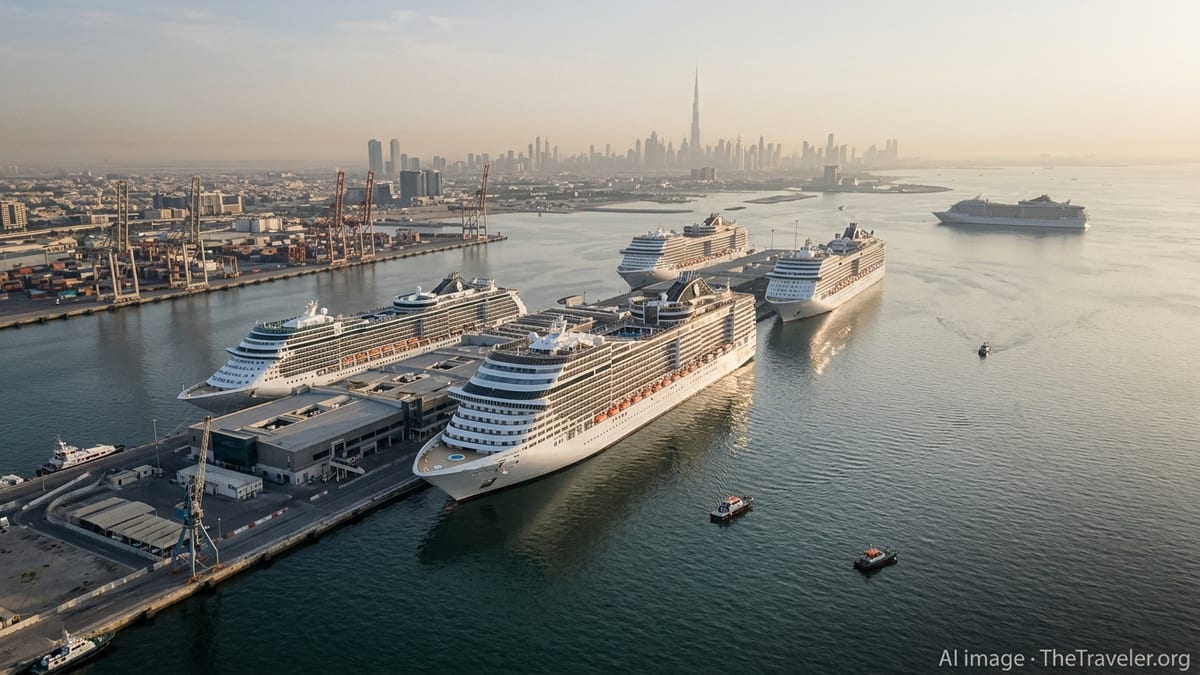
Hormuz chokepoint turns into an aviation pressure valve
The Strait of Hormuz has become the critical fault line in global aviation, with the near-halt of tanker traffic since late February choking off supplies of crude and refined products that underpin the jet fuel market. Industry data indicates that roughly 20 percent of global oil exports and about half of Europe’s imported jet fuel normally move through this narrow maritime corridor, making the region acutely vulnerable when conflict flares.
The current Iran conflict and associated attacks on energy infrastructure have driven a sharp rise in oil and jet fuel prices, with benchmark European jet fuel costs roughly doubling compared with prewar levels. Analysts describe a sudden rupture after years of relative stability, as refineries that rely on Middle Eastern crude scramble to source alternative feedstocks and European buyers compete with Asian airlines for limited cargoes.
A temporary ceasefire announced in early April and a partial reopening of the strait have offered some relief in financial markets, lifting airline stocks and briefly easing fears of an immediate fuel crunch. Yet shipping and insurance constraints are still limiting tanker loadings from the Gulf, and energy specialists caution that any normalization in jet fuel prices is likely to take months rather than weeks, extending pressure across the upcoming summer travel peak.
European carriers and airports are therefore planning for a protracted period of elevated fuel costs and fragile supply, even as bookings for intra-European holidays remain strong and many travelers have already locked in nonrefundable trips.
Warnings of possible jet fuel shortages at European airports
Concerns have shifted from price spikes to physical availability as storage tanks across Europe are drawn down. Airports Council International Europe has warned in a letter to EU institutions that, if flows through Hormuz are not restored on a sustained basis within weeks, European airports could face what it described as a systemic shortfall of jet fuel later this spring.
The group highlighted that emergency fuel stocks held by EU member states are primarily designed around gasoline and diesel, not aviation kerosene, and that detailed visibility on jet fuel inventories remains limited. Recent fuel-related restrictions at some Italian airports, reported by European media, have been cited as an early sign of strain and a potential preview of broader disruptions if imports remain constrained.
Energy analysis firms note that the final jet fuel cargoes that sailed from the Gulf region before the effective closure of Hormuz are only now arriving at European ports, providing a short-lived buffer. Once those deliveries are processed, refiners will be more heavily dependent on longer, more expensive routes from alternative suppliers such as the United States, or on redirecting kerosene from other uses.
Airline and airport trade bodies have urged coordination between national governments and EU authorities on fuel stock management and logistics. Publicly available information shows that regulators are reviewing options that include releasing strategic reserves, relaxing certain fuel specification rules to expand supply, and prioritizing aviation fuel deliveries to the most traffic-critical hubs if shortages materialize.
How airlines are adjusting schedules, routes and pricing
Across Europe, airlines are using a mix of financial hedging, schedule changes and revenue tactics to manage the shock. Many larger carriers had locked in a portion of their fuel needs at pre-crisis prices, softening the initial blow. Analysis from industry associations indicates that low-cost airlines such as Ryanair and some northern European flag carriers entered 2026 with relatively high hedge ratios, while others are more exposed to spot market volatility.
Still, hedging only delays the impact. As contracts roll off into the summer, airlines with less protection are expected to feel rising pressure on margins. Several European and Asia-Pacific carriers have already announced fare increases, new fuel surcharges or targeted capacity cuts on long-haul routes, citing higher operating costs and uncertainty around fuel availability.
Reports from aviation-focused outlets indicate that Scandinavian airline SAS has cancelled hundreds of flights in April, linking the decision to high oil and jet fuel prices, while other carriers are trimming frequencies to the Middle East and rerouting certain services to avoid conflict zones. Longer flight paths around the Gulf region require additional fuel, which can further tighten supply at certain hubs.
Travel demand within Europe remains robust, but network planners are rebalancing capacity away from more fuel-intensive or geopolitically exposed routes. That shift may leave travelers with fewer non-stop options to parts of Asia and Africa, and more reliance on one-stop itineraries through hubs with stronger fuel access.
What this means for European travelers right now
For passengers, the most immediate impacts are likely to be higher fares, tighter seating availability and an elevated risk of last-minute schedule changes. Economic research published in recent weeks suggests that even modest increases in jet fuel prices can quickly filter through to ticket prices, given that fuel already represents around 30 to 40 percent of many airlines’ operating costs.
Leisure travelers heading to Mediterranean destinations for Easter and early summer breaks are seeing particularly strong demand, which gives airlines more pricing power at a time when capacity decisions are clouded by fuel uncertainty. Business travelers may be more insulated by corporate travel policies, but they face reduced flexibility as airlines consolidate flights and trim frequencies on marginal routes.
In the near term, published coverage from travel and aviation outlets advises passengers whose trips involve connections in the Gulf or wider Middle East region to monitor itineraries closely. While many global airlines suspended or reduced flights into the conflict zone, indirect effects can still ripple back into European schedules when aircraft and crews are repositioned away from affected regions.
Travel insurance with coverage for schedule disruption, as well as flexible tickets when affordable, may offer additional protection. However, consumer advocates point out that many standard policies are not designed around fuel-related cancellations, making it important for passengers to scrutinize the terms tied to war, civil unrest and supplier failure.
Outlook for the summer season and key risks to watch
Looking ahead to the main European holiday season, the trajectory of the Hormuz crisis will be central to aviation planning. Energy analysts are tracking three variables in particular: the stability of the ceasefire, the pace at which tankers resume loading in the Gulf and the willingness of insurers to restore coverage for routes through the strait.
If tanker traffic gradually normalizes and alternative supply chains continue to ramp up, the risk of outright jet fuel shortages at European airports would ease, though prices are expected to remain elevated compared with prewar levels. In that scenario, travelers could still face higher fares and selective capacity cuts, but widespread cancellations linked solely to fuel scarcity would be less likely.
A renewed escalation in the conflict, or a breakdown of shipping and insurance arrangements, would present a more severe test. Analysts warn that under such a stress case, airlines might be forced into more aggressive schedule reductions, focusing fuel supplies on core routes and profitable markets while grounding marginal services.
For now, bookings data and public statements by major European carriers point to a summer season that will go ahead, but under tighter operational margins and with less room for unexpected shocks. Travelers planning trips in the coming months are being encouraged by industry commentators to secure flights early, remain flexible on dates and routings, and stay informed about how the Hormuz crisis continues to reshape the jet fuel lifeline that keeps Europe’s air network in motion.