


More news on this day
Immigration-related arrests at U.S. airports are drawing heightened attention as new data-sharing practices and intensified enforcement appear to drive a growing number of detentions at check-in counters, security lines, and arrival gates nationwide.
Get the latest news straight to your inbox!
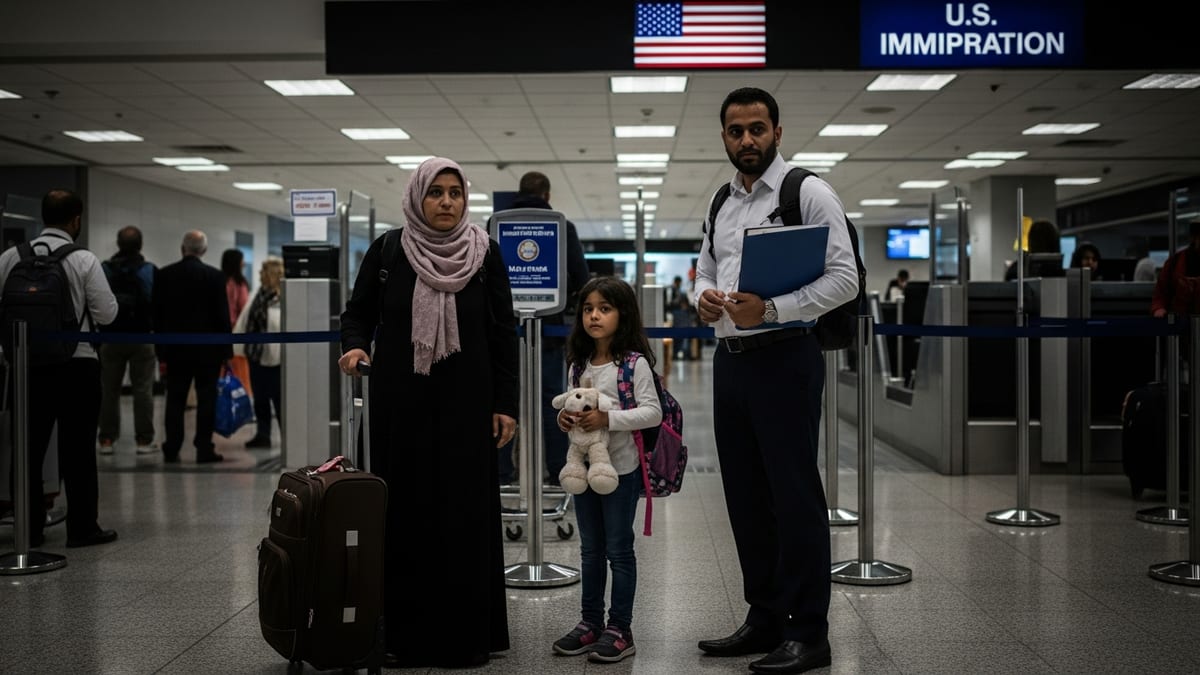
Airport Arrests Draw Scrutiny as Reports Multiply
Reports from travelers, advocacy groups, and media outlets indicate that immigration-related arrests at U.S. airports have increased over the past two years, coinciding with a broader push to expand interior immigration enforcement. Accounts describe Immigration and Customs Enforcement personnel intercepting passengers in public areas of terminals, often after airline check-in or just before boarding domestic and international flights.
Publicly available information shows that these operations are no longer confined to high-profile international hubs. Online postings from travelers and airport workers in mid-2026 describe Immigration and Customs Enforcement agents operating at check-in counters and arrival gates in at least a dozen major and mid-size airports, reflecting a widening footprint beyond traditional secondary inspection rooms. While comprehensive national figures specific to airports are not published, the pattern of anecdotal reports points to a measurable shift in where arrests are taking place.
Spanish-language television coverage has amplified the trend for immigrant communities. One widely shared broadcast in April 2026 highlighted a report that data shared by security officials had contributed to hundreds of Immigration and Customs Enforcement arrests at airports across the country, underscoring how airport travel has become a focal point in present-day deportation operations.
Data-Sharing Between Security Agencies and Immigration Authorities
A key feature of the recent rise in airport arrests appears to be closer coordination between aviation security systems and immigration enforcement databases. According to published coverage and public commentary from former and current officials, lists of expected airline passengers are being compared with immigration records before travelers arrive at the airport or clear security.
Under this model, information tied to an airline reservation can be checked against records of prior removal orders, missed immigration hearings, or pending enforcement actions. When a match is identified, Immigration and Customs Enforcement may position personnel at the airport to conduct an arrest as the traveler checks in or arrives at the gate, in some cases before they have passed through Transportation Security Administration screening.
Advocates and immigration lawyers quoted in recent coverage argue that these practices represent a shift from traditional counterterrorism-focused passenger screening toward a more expansive enforcement role at airports. They warn that travelers with old, unresolved immigration cases or complex paperwork histories may be at particular risk, even if they have lived in the United States for years and have no criminal record.
Travelers’ reports circulating online describe plainclothes personnel observing queues and then pulling aside specific passengers, often after viewing identification documents or boarding passes. While airport security agencies maintain that their primary mission remains aviation safety, civil-liberties groups contend that the growing integration of data systems is effectively turning departure halls and arrival corridors into enforcement zones.
National Enforcement Context and Limited Transparency
The rise in airport arrests is unfolding within a broader acceleration of immigration enforcement nationwide. Federal statistics show that immigration agencies collectively carry out tens of thousands of civil immigration arrests each year, combining operations at the border, in local communities, and at ports of entry including airports. Government accountability reports released in 2024 and 2025 note that total immigration enforcement activity has fluctuated in recent years but has trended upward overall.
Customs and Border Protection data highlight that, on a typical day in fiscal year 2024, officers at U.S. ports of entry arrested dozens of individuals wanted for criminal violations. Although those figures combine land, sea, and air facilities, they underscore the role of official ports, including commercial airports, as major points of contact between travelers and immigration authorities. At the same time, Immigration and Customs Enforcement dashboards and annual reports document an expanding detained population and an increase in removals following arrests that begin at ports of entry.
Despite the growing body of statistics, there is limited public reporting that breaks out arrests specifically occurring at airports or distinguishes between those made at security checkpoints, boarding gates, and secondary inspection rooms. Oversight documents from government auditors have previously criticized gaps in how immigration arrests at ports of entry are tracked and categorized, making it difficult for the public to assess how airport operations are changing over time.
Analysts note that this lack of detailed, airport-specific data complicates efforts to determine how much of the recent surge in arrests stems from new policies versus long-standing practices that are only now coming to light through media coverage and social media posts from affected travelers.
Impact on Travelers and the Tourism Economy
The heightened visibility of immigration arrests at airports is affecting how some noncitizens approach both domestic and international travel. Community organizations and legal-aid groups report increased inquiries from travelers who hold temporary visas, have pending asylum or residency applications, or previously overstayed visas and later attempted to correct their status. Many are seeking guidance on whether flying through major hubs could expose them to additional scrutiny or detention.
Tourism experts caution that fear of airport arrests could have a chilling effect on travel among certain groups, including mixed-status families and long-term residents who lack permanent legal status. For airlines and destination cities that depend heavily on international visitors, even a modest decline in bookings from these communities could have ripple effects on hotel stays, conference attendance, and visitor spending.
At the same time, business travelers and international students are closely watching how enforcement practices evolve. International education groups have already documented cases in previous years where students and scholars were denied entry or placed in expedited removal at airports, and some observers worry that more aggressive enforcement could further complicate academic and corporate mobility.
Travel industry organizations are urging clearer public communication about what kinds of cases are drawing attention at airports, arguing that transparency would help travelers make informed decisions while preserving confidence in air travel as a relatively predictable part of the immigration landscape.
Rights Information and Practical Advice for Airport Encounters
In response to the surge in airport enforcement, civil-liberties and immigrant-rights organizations have updated guidance explaining how travelers can expect to encounter immigration officers in terminals. Recent materials emphasize that Customs and Border Protection retains broad authority to question travelers arriving from abroad, inspect belongings, and make admissibility determinations, while Immigration and Customs Enforcement focuses more heavily on individuals already subject to enforcement actions inside the country.
Know-your-rights resources circulating as of mid-2026 advise travelers to keep copies of immigration documents, court receipts, and pending applications accessible when flying, particularly if they have any past contact with immigration authorities. They also encourage noncitizens to consult qualified immigration counsel before international travel if they have prior removal orders, unresolved immigration cases, or criminal convictions that might affect their admissibility.
For U.S. citizens and lawful permanent residents, rights groups stress that proof of status can be important during any unexpected encounter with immigration officials in an airport setting. While recent investigations have highlighted cases in which citizens were detained in error, documentation such as a U.S. passport or green card can help resolve questions more quickly.
As the summer 2026 travel season unfolds, observers expect immigration enforcement at airports to remain a central concern for many travelers. With limited official data and fast-evolving practices, passengers, airlines, and destination communities are watching closely to see whether the current pattern of airport arrests stabilizes, intensifies, or prompts new policy adjustments in the months ahead.