


More news on this day
UAE flight schedules have been under pressure in September 2026, with rolling delays and select cancellations affecting departures and arrivals across Dubai International (DXB), Zayed International in Abu Dhabi (AUH), and nearby regional routes. Published coverage and airline travel-update pages point to a mix of air-traffic constraints, knock-on disruption from overseas hubs, and short-notice operational changes that can shift throughout the day.
Get the latest news straight to your inbox!
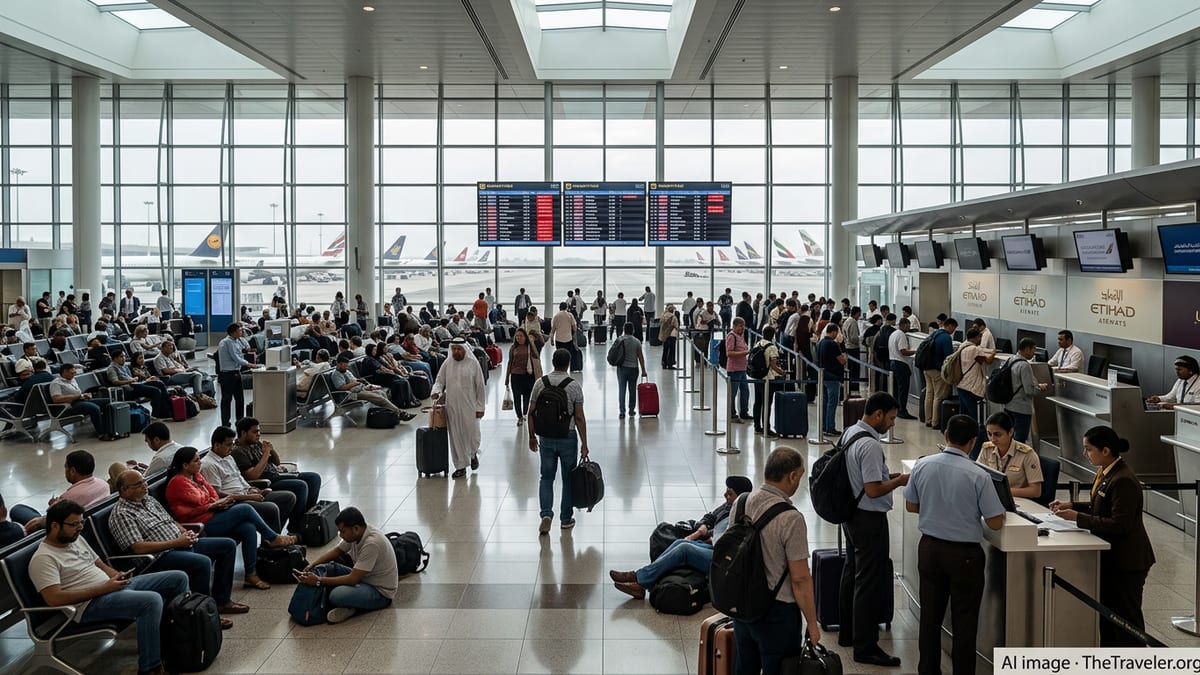
What’s happening at UAE airports right now
Recent flight-tracking snapshots and published local coverage have pointed to elevated delay totals at the UAE’s two biggest gateways, DXB and AUH, during several days in early-to-mid September. The pattern described is consistent with a “cascade” effect: when inbound flights arrive late, turnarounds get tighter, aircraft rotations slip, and later departures are delayed even if local conditions are stable.
Coverage in The National has highlighted periods where delays piled up across both Dubai and Abu Dhabi, and also noted instances of cancellations on specific city pairs. Those reports framed the disruption as broad-based across multiple airlines rather than limited to a single carrier, which matters for travelers connecting onward from UAE hubs.
Separate reporting also tied some UAE disruption to overseas air-traffic and airport problems, including constraints affecting UK operations that can ripple into Gulf schedules because of long-haul aircraft utilization and slot timing. For passengers, that means the status of a Dubai or Abu Dhabi flight can depend as much on what is happening at the origin airport as on conditions in the UAE.
Emirates: travel updates and why checking status matters
Emirates’ publicly posted travel updates in September 2026 have advised customers to keep monitoring flight status and operational updates before leaving for the airport, and to make sure booking contact details are current so that schedule changes and re-accommodation messages are received promptly. The airline has also referenced disruption tied to specific external events, including air-traffic service issues affecting the UK.
For travelers departing from or connecting through Dubai, this emphasis is practical: even when an airport remains open and operating, a wave of late arrivals can trigger gate changes, delayed boarding, or revised departure times that appear in the airline’s app and online flight status tools before they are visible elsewhere.
Emirates also maintains a flight disruptions FAQ and a dedicated flight status page where passengers can search by route or flight number and sign up for alerts. When a flight is canceled, the airline’s public guidance places priority on receiving and following the notification sent to the email or phone number attached to the booking, rather than relying on a single static timetable view.
Etihad: examples of short-notice changes and cancellations
Etihad’s flight status tracker has included specific examples of disruption in mid-September, including a publicly displayed case where an Etihad service from Warsaw to Abu Dhabi on September 13 was shown as delayed and later cancelled due to a technical issue. The same tracker also displayed a separate delay notice for another September 13 departure from Abu Dhabi, underlining how multiple flights can be affected for different reasons on the same day.
For passengers, the key takeaway is that not all cancellations are tied to airspace constraints or weather: technical and operational factors can also produce abrupt schedule changes. When this happens, airlines typically manage options through the booking record, and the usefulness of real-time updates depends heavily on whether contact details are accurate and whether travelers are using the airline’s official channels for alerts.
Etihad’s publicly available guidance attached to its status pages emphasizes keeping contact details up to date in the carrier’s manage-booking system so customers can be alerted when there is a change to their trip. This is particularly important for itineraries involving tight connections at AUH, where missing a connection can quickly turn into an overnight wait if load factors are high.
flydubai and Air Arabia: how to monitor disruptions and next steps
flydubai maintains both a flight-status tool and an operational-updates page, and it advises passengers to check status before heading to the airport. Published coverage in The National has also cited flydubai messaging that points travelers back to those official channels during busy periods.
For travelers trying to understand what a “delay” means in practice, flydubai’s disruptions and cancellations guidance explains that schedule changes can trigger options depending on how far in advance the change occurs and how large the time shift is. In practical terms, that can affect whether a passenger should accept a revised time, choose an alternative flight, or pursue a refund route through manage booking.
Air Arabia provides a flight-status page that allows searches by route or flight number and instructs passengers to check each segment separately when connections are involved. That detail matters because low-cost and point-to-point structures can mean connections are not protected in the same way as single-ticket hub itineraries, so travelers may need to confirm each leg individually and plan buffer time.
Air Arabia also posts travel alerts, though the availability and freshness of those updates can vary by route and language page. In fast-moving situations, the most reliable real-time indicator for any passenger remains the status of their specific flight number on the airline’s own tools, cross-checked against the relevant airport’s flight information display when possible.
What travelers can do today: practical checks before leaving home
Given the way UAE disruptions have appeared in waves this month, the most actionable step is to verify the exact flight number status several times: before leaving home, again when departing for the airport, and once more after clearing security. Airline status pages can update with revised departure times, aircraft swaps, or gate changes with little notice, especially when inbound aircraft arrive late.
Travelers with connections should check both the inbound and outbound flight numbers, not just the final destination, because a delay on the first leg can create missed connections and force rebooking at the hub. Keeping phone and email details current in the manage-booking record improves the chances that re-accommodation instructions arrive promptly.
Finally, passengers should plan for longer airport dwell time during peak disruption windows. When delays stack up, customer-service lines and call centers can become congested, and the ability to self-serve via the airline app or manage-booking tools can be the fastest path to seeing rebooking or refund options when they are offered.