


More news on this day
International passengers flying out of India no longer need their boarding passes stamped at immigration counters, after a nationwide procedural change took effect on 1 September 2026 across all international airports.
Get the latest news straight to your inbox!
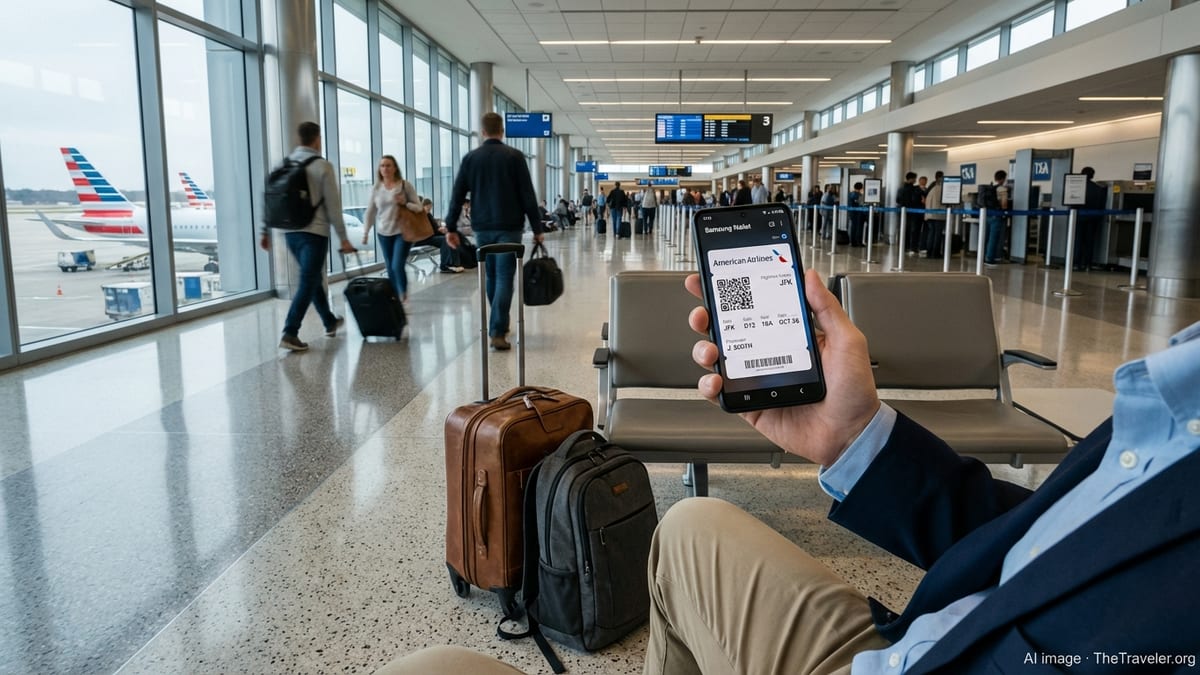
Nationwide shift in immigration procedure from 1 September
The Bureau of Immigration has instructed all international airports in India to stop stamping boarding passes for departing passengers, removing a step that for years formed part of the standard exit process. According to published coverage, the directive took effect on 1 September 2026 and applies uniformly to international departures from Indian airports, regardless of airline or destination.
Previously, travellers were required to present a physical boarding pass at the immigration counter, where officers verified details and applied a stamp before allowing passengers to proceed to security and boarding. Reports indicate that this practice often contributed to queues at peak times and created confusion when passengers carried only digital boarding passes on their phones.
Under the new system, immigration counters will rely on boarding pass and passport details for verification, but will not imprint any stamp on the document. Paper boarding passes continue to be accepted, yet the stamp that many flyers associated with “clearance” is no longer part of the process.
Media reports note that the change follows internal reviews highlighting that stamping offered little additional security value compared with modern digital checks, while adding complexity for passengers and staff.
Digital and mobile boarding passes fully accepted
The withdrawal of mandatory stamping is closely tied to the wider acceptance of electronic boarding passes at immigration. Publicly available information shows that international passengers can now present e-boarding passes on their smartphones at immigration counters at all Indian international airports, provided the pass clearly displays flight and passenger details.
Printed boarding passes remain an option for those who prefer physical documents or who face connectivity constraints. However, published guidance encourages travellers to download or screenshot their e-boarding passes before arriving at the airport, ensuring access even when mobile networks are congested or roaming is disabled.
Reports emphasize that both physical and digital boarding passes will be treated equally for immigration checks, as officers access the same underlying flight information. The primary operational difference for travellers is that neither format will receive a stamp, removing a step that was once monitored by airline and security staff at subsequent checkpoints.
Industry-focused coverage links this move to India’s broader airport digitisation efforts, which include initiatives such as Digi Yatra for domestic travel and automated immigration e-gates at major hubs, all aimed at reducing paper handling and speeding up passenger flows.
What international travellers can expect at Indian airports
For passengers departing India, the practical sequence of steps at the airport changes only slightly, but the experience may feel different for those accustomed to collecting stamps at every stage. After check-in or web check-in, travellers proceed to immigration with their passport and boarding pass, either printed or on a mobile device.
At the counter, immigration officers continue to inspect travel documents, visas and flight details as before. Once checks are complete, passengers are cleared to move toward security screening and departure gates without receiving any stamp on the boarding pass. According to explanatory reports, staff at later checkpoints are being briefed to adapt to the new process so they no longer look for an immigration stamp on the pass.
Travel advisories circulated through news outlets recommend that passengers retain their boarding pass in digital or paper form until after boarding, since it may still be needed for gate access, seat confirmation or airline-specific checks. At the same time, travellers are reminded that the absence of an immigration stamp on the boarding pass is now normal and does not signal any irregularity.
Some travel commentators point out that the change follows earlier policy shifts at Indian airports, such as phasing out stamping of hand baggage tags at selected terminals and rolling out facial-recognition-based entry systems, indicating a gradual move away from manual ink-based controls.
Why the stamping requirement was dropped
Coverage of the internal communication from the Bureau of Immigration describes passenger convenience and process efficiency as central reasons for dropping boarding pass stamping. The agency reportedly found that stamping at immigration counters added to handling time without offering a proportional security benefit, especially as airlines, airport operators and government systems increasingly share data electronically.
Paper boarding passes have also been prone to wear and misprints, which in some cases led to stamps becoming illegible or placed on detachable segments that were later torn off, complicating checks at boarding gates. By contrast, e-boarding passes generated by airlines can be validated against reservation systems in real time, reducing reliance on physical ink marks.
The move also aligns India with practices at many large international hubs, where immigration clearance is recorded electronically and proof of departure is stored in border-control databases rather than on passenger documents. Observers note that this transition may help reduce disputes or confusion when stamps are missing, while still preserving a robust digital record of entry and exit.
International travel groups and frequent flyers commenting in public forums have broadly welcomed the decision as a small but meaningful step toward a more seamless airport journey, even as some suggest that clear signage and communication during the initial months will be important to reassure occasional travellers.
Part of a longer-term shift toward contactless travel
The end of boarding pass stamping for international departures is being viewed as one element of a wider transformation underway at Indian airports. In recent years, policy documents and industry analysis have outlined plans to expand biometric-based processing, integrate identity and ticket data, and reduce the need to repeatedly present paper documents at multiple checkpoints.
Domestic terminals have already seen the gradual roll-out of Digi Yatra, a voluntary program that uses facial recognition to streamline entry and security for enrolled passengers. Separately, initiatives such as the Fast Track Immigration Trusted Traveller Programme at Delhi’s Indira Gandhi International Airport point to similar ambitions in the international segment, focusing on automated gates and pre-verified travellers.
While boarding pass stamping was a visible and familiar ritual for generations of passengers, its removal signals how digital systems are increasingly taking over the role of verifying that travellers have been properly processed. Analysts suggest that future phases could see more widespread use of e-gates at immigration, broader interoperability between airlines and government databases, and further reductions in paper-based checks.
For now, the key takeaway for international flyers is straightforward: keep a digital or printed copy of your boarding pass handy at immigration, expect no stamp on it, and be prepared for a slightly more streamlined journey through India’s international terminals.
Economic Times: India to scrap boarding pass stamping for international flyers from Sept 1
Times of India: Stamping of boarding passes for immigration clearance discontinued
Hindustan Times: Paper boarding passes go unstamped at immigration from today