


More news on this day
India has issued a fresh advisory urging its citizens to avoid non essential travel to Iran, underscoring how spiraling tensions between Tehran, Washington and Tel Aviv, along with renewed disruption in the Strait of Hormuz, are feeding global security anxieties and a fresh oil market shock.
Get the latest news straight to your inbox!
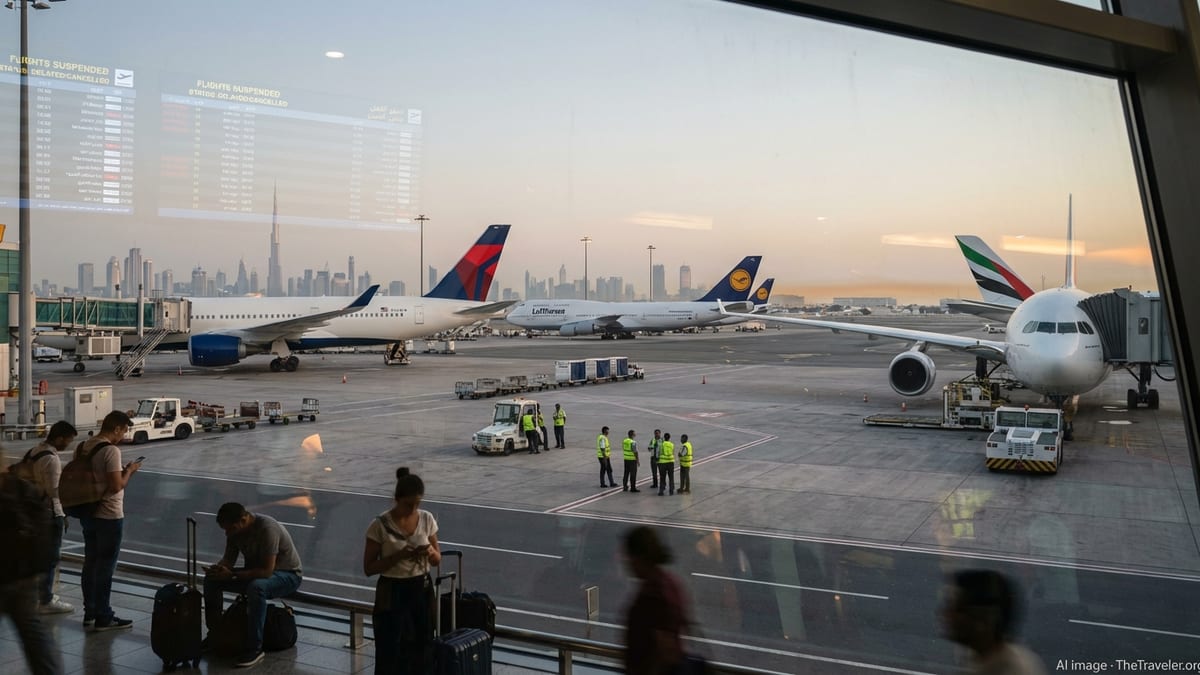
New Delhi Tightens Guidance On Iran Travel
Publicly available information from India’s Ministry of External Affairs and recent news coverage indicate that New Delhi updated its Iran advisory on June 24, calling on Indian nationals to defer all non essential travel and to exercise extreme caution if already in the country. The move follows months of escalating confrontation linked to the war involving Iran, the United States and Israel, and comes just days after a fragile ceasefire arrangement was signed.
Reports describe the advisory as part of a broader risk recalibration rather than an abrupt policy shift. India had already been asking its citizens to remain vigilant in parts of West Asia since hostilities intensified in late February, but the latest notice singles out Iran by name and explicitly references the deteriorating security climate and uncertainty around air and sea routes.
Travel industry data and airline scheduling information suggest that some carriers serving Indian cities and Gulf hubs have begun adjusting routings and frequencies involving Iranian airspace. While most commercial flights between India and Europe continue to use alternate corridors, the reinforced advisory is expected to further weigh on demand for leisure and business trips touching Iranian territory.
Indian travel agencies quoted in domestic coverage indicate that tour itineraries including Iran have effectively been placed on hold, with customers encouraged to rebook to destinations perceived as more stable across the Gulf, Caucasus and Central Asia.
Hormuz At The Center Of A New Oil Shock
The travel warning lands as the Strait of Hormuz again emerges as the focal point of the crisis. Analytical work by energy think tanks and policy institutes describes the narrow waterway as the conduit for roughly one fifth of the world’s traded oil and significant volumes of liquefied natural gas. Since late February, Iranian threats and attacks on shipping, combined with US and Israeli military operations, have sharply reduced tanker traffic.
Recent economic analysis shows that the war in and around Iran has triggered one of the largest oil supply disruptions in modern history, with global benchmark prices spiking when the strait was first restricted and only partially easing during brief reopening announcements. Commentary by financial outlets notes that each fresh signal from Tehran about closing or tightening control of Hormuz is now quickly reflected in volatile energy and freight markets.
Council on Foreign Relations and Brookings Institution assessments point out that the contest over Hormuz has evolved from rhetorical threats into a sustained campaign involving drone strikes, missile launches and naval maneuvers. The result has been a choked maritime corridor in which passage is possible only intermittently, often under escort or through ad hoc arrangements that privilege certain countries and companies.
For India, one of the largest importers of Gulf crude, the stakes are particularly high. Indian bound tankers have continued to move through Hormuz in limited numbers under complex routing strategies, according to Indian press reporting, but their passage is subject to rapid changes in security protocols and the wider diplomatic mood between Tehran and Washington.
US Iran Israel Standoff Fuels Global Security Fears
Background briefs from global conflict trackers describe the current confrontation as an outgrowth of years of tension over Iran’s nuclear program, regional militias and missile capabilities, which flared dramatically when the United States and Israel launched extensive strikes on Iranian targets in late February. Iran’s retaliatory actions, including attacks on commercial vessels and periodic declarations that Hormuz is closed, have kept the region on a knife edge.
Coverage in major international newspapers outlines a pattern in which efforts to negotiate ceasefires and de escalation measures are repeatedly undercut by new incidents, such as missile launches toward northern Israel or airstrikes in Lebanon that Tehran cites when threatening to halt maritime traffic. The result is a fluid environment in which shipping companies, insurers and governments struggle to assess the real level of risk at any given moment.
Analysts note that the crisis has evolved beyond a bilateral US Iran dispute into a wider geopolitical contest with implications for Russia, China and major Asian energy consumers. According to recent reporting cited by think tanks, Iran has attempted to leverage its position by granting easier passage through Hormuz to tankers linked to favored partners, while other ships may face delays, higher costs or exposure to coercion.
This unstable backdrop helps explain why India, traditionally careful to balance its ties with both Washington and Tehran, has adopted a sharper tone on citizen safety. Public information shows that New Delhi has also been in contact with Indian shipping interests and energy firms to map contingencies should the situation around Hormuz deteriorate further.
Impact On Indian Travelers, Diaspora And Airlines
India’s advisory is likely to affect several distinct groups: tourists contemplating cultural trips to Iranian cities, business travelers engaged in trade and infrastructure projects, and members of India’s sizable diaspora who transit via or work in the wider Gulf. Travel sector commentary suggests that discretionary journeys are the first to be postponed, especially in light of persistent headlines about missile strikes and naval incidents.
For Indian workers already based in the Middle East, the advisory emphasizes registration with consular platforms and close monitoring of official channels for any evacuation or rerouting guidance. While there is no indication of an immediate large scale repatriation effort, airlines and shipping lines have been encouraged through public messaging to keep contingency plans ready for rapid schedule adjustments.
Airlines operating between India and Europe or North America have largely relied on alternative air corridors since earlier phases of the Iran related standoff, but they still depend on overflight and refueling arrangements across West Asia. Industry observers warn that any escalation that affects regional hub airports or key air routes, whether through military activity or sanctions, could ripple into higher fares, reduced connectivity and longer travel times for Indian passengers.
Travel insurers, meanwhile, are reviewing their coverage maps for Iran and adjacent waters. Policy details cited in consumer reporting show that some underwriters now classify Iran and portions of the Persian Gulf as elevated risk zones, potentially limiting claims related to trip cancellations or disruptions connected to geopolitical events.
Oil Prices, Shipping Routes And The Road Ahead
The intersection of India’s Iran travel advisory with a broader oil and shipping shock highlights how closely personal mobility, trade flows and geopolitics are intertwined in today’s travel landscape. Energy research published in recent weeks indicates that even partial closures of Hormuz can add several dollars per barrel to global crude prices, with knock on effects for aviation fuel, ticket prices and the cost of moving goods.
Maritime tracking data cited in international coverage suggests that, despite intermittent announcements of closures, dozens of vessels continue to attempt transits of Hormuz under varying security conditions. However, the total number of daily crossings remains far below pre conflict levels, and some operators have rerouted via longer paths around the Arabian Peninsula, accepting higher costs and delays in exchange for reduced exposure.
For travelers, the message emerging from New Delhi and other capitals is one of heightened vigilance and flexibility. While Iran itself remains off limits for many Indian tourists for the foreseeable future, knock on effects across the region are likely to shape airline schedules, cruise itineraries and fuel surcharges throughout the coming months.
Security analysts quoted in open source commentary caution that the timeline for a durable resolution remains uncertain, even after the latest ceasefire agreement. Until the questions of control, tolls and safe passage through the Strait of Hormuz are conclusively addressed, governments such as India are expected to keep their Iran related advisories at the highest alert levels and to update them frequently as the situation evolves.