


More news on this day
Indian Railways is strengthening long-distance connectivity between southern Karnataka and Rajasthan ahead of the peak festival period, with the Mysuru–Ajmer Express being made a regular service while special trains on the same corridor are extended to absorb holiday-season passenger demand.
Get the latest news straight to your inbox!
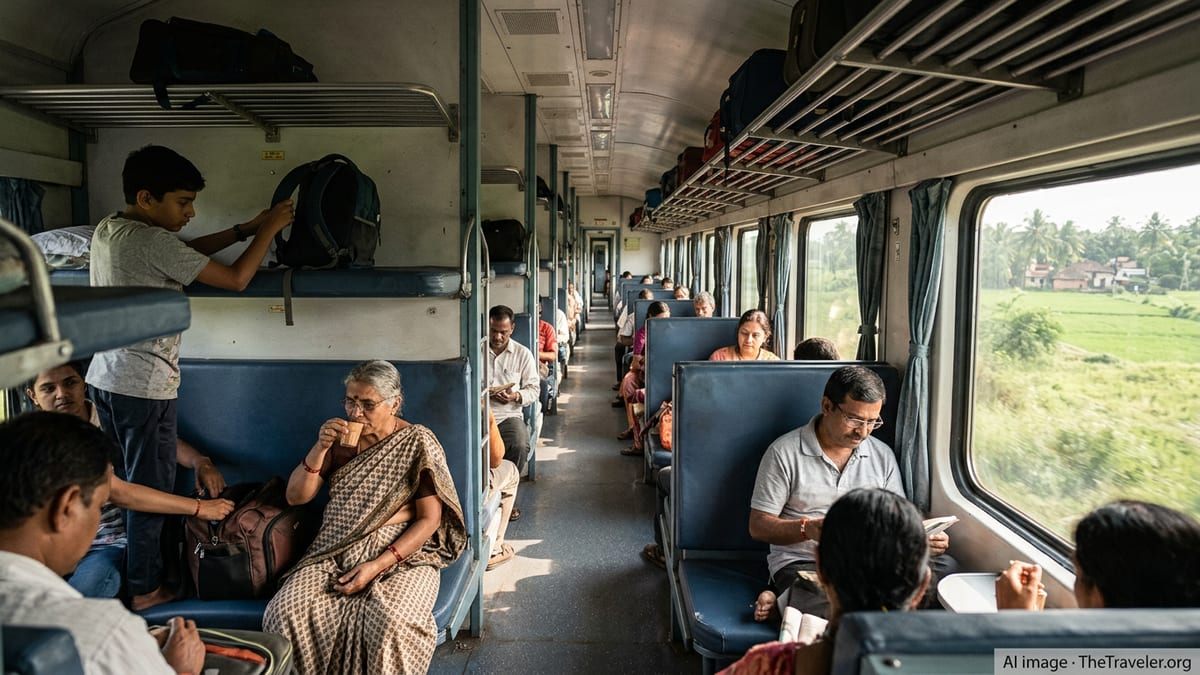
Mysuru–Ajmer Express Regularised Ahead of Festival Season
Recent coverage on Indian railway operations indicates that the Mysuru–Ajmer Express, earlier run as a special service on select days, has been regularised as part of timetable operations in the run-up to the main festival months. Reports on the new schedule note that the regularised express will leave Mysuru Junction in the morning and depart Ajmer Junction in the evening, providing a predictable bi-directional link between the two tourism-heavy regions.
According to published information, the train follows the long-established south–north corridor that connects Mysuru with key hubs such as Bengaluru and Pune before heading further north and west toward Rajasthan. The service offers important connectivity for both leisure and pilgrimage traffic, with Ajmer serving as a gateway to destinations across North Western Railway territory.
Media reports on the announcement highlight that the move fits into a broader Indian Railways strategy to convert popular seasonal specials into regular timetable services once sustained demand is evident. For the Mysuru–Ajmer sector, the shift is expected to help passengers plan travel earlier, secure confirmed tickets more easily, and rely on a fixed schedule during crowded festival windows.
Extended Mysuru–Ajmer Special Trains Target Peak Demand
Alongside regularisation of the express service, special trains on the Mysuru–Ajmer corridor continue to be extended around key holidays. Coverage from regional outlets notes that the dedicated Mysuru–Ajmer–Mysuru Special Express, operating with train numbers in the 06281/06282 series, has repeatedly been extended in recent seasons to meet surging demand during Dasara, Deepavali, Holi and summer vacation periods.
Earlier notifications showed the Mysuru–Ajmer special running only up to late August 2025, but subsequent updates extended its operation into the later months that coincide with major north and south Indian festivals. Reports also point out that the special has been given additional trips during the Holi period and the early-summer holiday rush, with the Railway Board permitting continuity of the existing route, halts and coach composition.
These special services largely mirror the regular Mysuru–Ajmer corridor in routing, but are typically operated at special-fare levels and scheduled to slot into capacity gaps on busy arterial stretches. Publicly available information suggests that this blended model of regular and special trains is helping rail managers fine-tune capacity as booking patterns fluctuate around school vacations and major religious observances.
Improved Connectivity for Southern and Western Corridors
The Mysuru–Ajmer route cuts across several states, linking Karnataka with Maharashtra, Gujarat and Rajasthan, and intersects major junctions that act as dispersal points for passengers heading deeper into each region. Background data on the corridor shows that the core express service functions as a workhorse link between South Western Railway and other zones along the western trunk routes.
By regularising the Mysuru–Ajmer Express and supplementing it with extended specials, Indian Railways is effectively providing more options for travelers heading to northern pilgrimage centres, Rajasthan’s heritage circuit and onward connections toward Delhi and Punjab. For southern passengers, Mysuru and nearby Bengaluru remain key starting points for long-distance journeys, particularly during the Dasara festivities in Mysuru and year-end school breaks.
Railway-focused reports also underline that the Mysuru–Ajmer corridor is part of a wider push from South Western Railway to run targeted festival trains from Mysuru toward northern and eastern India. In recent months, separate special services have been announced from Mysuru to destinations such as Muzaffarpur and Sengottai, indicating that the city is increasingly being used as a launch point for season-specific long-haul operations.
Timings, Capacity and Travel Planning
Details emerging from recent coverage indicate that the regularised Mysuru–Ajmer Express is scheduled to leave Mysuru Junction in the morning, around 8:00 a.m., enabling same-day connectivity to major intermediate hubs. The return service from Ajmer is slated to depart in the evening, around 6:30 p.m., allowing passengers to use daytime connections from surrounding Rajasthan towns and cities before boarding the southbound express.
Coach compositions for both the regular express and the extended specials generally include a mix of AC three-tier, sleeper class and unreserved coaches, with past notices highlighting incremental adjustments in AC capacity on Mysuru-bound trains in response to sustained demand. Travel reports suggest that the Mysuru–Ajmer special trains have at times operated with up to 20 coaches, reflecting the heavy bookings typically seen during peak festival and vacation periods.
With multiple services now available on and around major holidays, passengers are being encouraged by publicly available advisories to book early through official reservation channels and to monitor dynamic schedules via digital timetable platforms. Observers note that the regularisation of the express, combined with strategic use of specials, is intended to reduce last-minute congestion at booking counters and ease waitlist pressure on other long-distance trains crossing the same corridor.
Part of a Wider Festival-Train Strategy
The developments on the Mysuru–Ajmer route align with a larger nationwide pattern in which Indian Railways zones introduce, extend or regularise trains specifically around festivals. South Western Railway, for example, has in the past announced dozens of seasonal services from Mysuru and Bengaluru to cope with Dasara, Deepavali and Chhath-related rush, while other zones have extended their own festival specials to and from Ajmer and nearby cities.
Reports from recent years document how this strategy includes temporary extensions of existing trains, additional trips on popular sectors and unreserved express specials to nearby regional hubs. By slotting the Mysuru–Ajmer Express firmly into the regular timetable and layering supplementary specials during busy months, planners are attempting to maintain both predictability and flexibility in the network.
For travelers, the combined effect is a denser service pattern on one of the key north–south axes that link Karnataka with Rajasthan, improving access to heritage destinations, religious centres and family hubs ahead of the country’s most important festive occasions.