


For many travelers, Hol Chan Marine Reserve is the moment Belize’s barrier reef comes alive: a shallow cut in the reef packed with fish, rays, turtles and coral gardens. Yet first-time visitors often book separate tours to Hol Chan, Shark Ray Alley and Mexico Rocks without realizing they are connected parts of the same protected system. This guide explains how Hol Chan works, how to visit from Ambergris Caye and Caye Caulker, and what to expect in the water so you can make the most of a short stay in the Cayes.
Get the latest updates straight to your inbox!
What Hol Chan Marine Reserve Actually Is
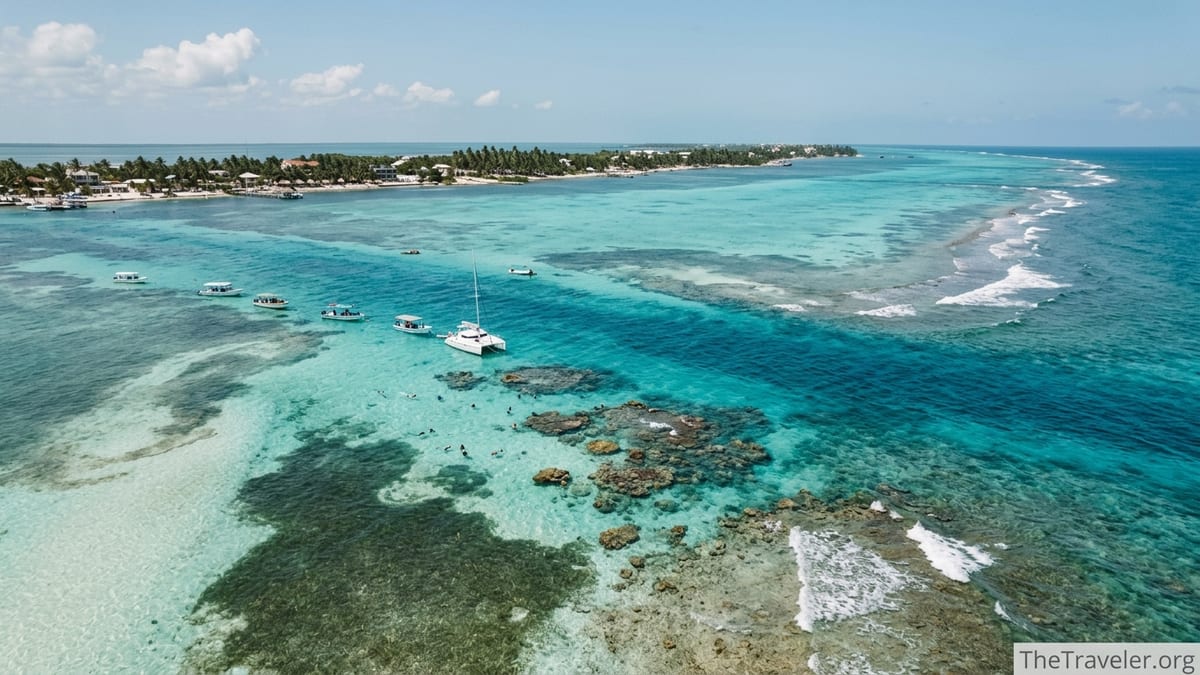
Hol Chan Marine Reserve protects a section of the Belize Barrier Reef just off the southern tip of Ambergris Caye, within easy reach of both San Pedro and Caye Caulker. The reserve centers on a natural channel through the reef called Hol Chan, about 75 feet wide and around 30 feet deep at its deepest point, where Caribbean waters funnel in and attract large numbers of fish and other marine life. Over 160 fish species and dozens of coral types have been recorded here, along with sea turtles, rays and occasional manatees.
The reserve began as a response to conflicts between fishers and a growing number of snorkel and dive boats using the same reef cut. Local guides pushed for official protection so that the area would not be fished out just as tourism was starting to take off. Today Hol Chan is one of Belize’s flagship marine protected areas and is managed by Belize’s Fisheries Department in cooperation with local stakeholders, with clear rules on where you can fish, dive or snorkel.
Most visitors experience Hol Chan on a half-day boat tour that includes at least two main stops: the Hol Chan Channel itself, which offers classic coral reef snorkeling or diving, and Shark Ray Alley, where nurse sharks and southern stingrays congregate. Many operators also add a third stop at Mexico Rocks or Coral Gardens, shallow reef areas farther north or closer to Caye Caulker, which are now formally tied to the Hol Chan system.
Understanding that these sites are zones of the same marine reserve helps you read tour descriptions more clearly. When you see tours marketed as “Hol Chan & Shark Ray Alley,” “Hol Chan & Mexico Rocks,” or full-day sails that add “Coral Gardens,” you are not visiting unrelated attractions scattered across Belize. You are exploring different parts of one continuous protected reef and lagoon system with varying rules and habitats.
Zones and How Hol Chan, Shark Ray Alley & Mexico Rocks Fit Together
Hol Chan Marine Reserve is divided into zones that reflect different habitats and levels of protection. Traditionally, the core of the reserve included three main zones: Zone A for the reef channel itself, Zone B for the seagrass beds in the lagoon, and Zone C for mangrove cayes. A later expansion added Zone D, which includes Shark Ray Alley and nearby fishing grounds, and an even larger general-use area further out. Mexico Rocks to the north is now managed under the Hol Chan framework as a separate but related protected area.
Zone A is the “no-take” heart of Hol Chan. This is where most snorkel and dive boats anchor along the reef edge beside the channel. Fishing and collecting shells or coral are prohibited. Guides typically lead small groups over sloping coral gardens where you can see schools of blue tang, stoplight parrotfish crunching on coral, and often a resting green turtle tucked under a ledge. Depths range from about 5 feet on the reef crest to around 30 feet in the middle of the cut, which is why even beginners can float comfortably while more confident swimmers peer down into the channel.
Zone D, often referred to casually as the “Shark Ray Alley zone,” covers the sandy-bottomed area south of the main channel where nurse sharks and rays gather, as well as nearby fishing grounds. Shark Ray Alley itself is an exclusive recreational section where commercial fishing is not allowed and where local rules restrict activities such as scuba diving and shark feeding to reduce stress on wildlife. On most tours from Ambergris Caye or Caye Caulker, you snorkel only here and in Zone A, even though the overall reserve boundary extends farther.
Mexico Rocks, roughly 6 miles north of San Pedro, is designated as a separate reserve area managed by the same Hol Chan authority. Unlike the steep, cut-through-the-reef topography at Zone A, Mexico Rocks is a shallow patch reef system in only 6 to 10 feet of water, dotted with big boulder corals and brain corals. Many operators sell a “Hol Chan & Mexico Rocks” combination so you can experience both the dramatic channel setting and the gentler, shallow coral heads in one day, while remaining within the same overall protected system.
Habitats: Channel, Coral Reef, Seagrass and Mangroves
Visitors tend to focus on the clear-water reef scenes at Hol Chan Channel and Shark Ray Alley, but the reserve was created to protect a whole mosaic of habitats that work together. The reef crest and outer slope around the Hol Chan cut form the classic coral ecosystem: hard corals like elkhorn and brain coral rise from the limestone, sponges and sea fans sway in the current, and clouds of small reef fish hover above. This is what you will see during a typical 30 to 45 minute guided snorkel at Zone A, and it is also where dive boats anchor for shallow reef dives.
Inside the barrier reef on the lagoon side, broad seagrass beds carpet the sandy bottom. These seagrass meadows are more than just empty green plains. They act as nurseries for juvenile fish, feeding grounds for rays and turtles, and natural filters that trap sediment. Some tours from Caye Caulker include a drift or float over these beds on the way between Hol Chan and other sites, where you may spot southern stingrays half-buried in the sand, conch shells with living queen conch inside, or schools of small snapper grazing in the turtle grass.
The mangrove-lined channels and cayes in Zone C are less visited by mainstream snorkel tours but are critical to Hol Chan’s health. Their tangled roots provide shelter for juvenile fish and crustaceans that later move out to the reef. A few operators in San Pedro and Caye Caulker run specialized “mangrove and manatee” trips that skirt these protected channels, often combining them with birdwatching or a stop in the reserve’s general-use area. Even if you do not visit this zone, it is helpful to know that the fish and rays you see at Hol Chan started life in these quieter mangrove nurseries.
Shark Ray Alley itself looks very different again. Here the bottom is mostly sand with scattered seagrass patches and darker coral heads on the edges. The main attraction is not intricate coral structure but the concentration of nurse sharks and rays. Depths are shallow, often 6 to 10 feet, and visibility can be excellent on calm days, making it an easy place to float and watch wildlife from above, even for nervous swimmers. Mexico Rocks sits at similar depths yet offers more classic coral scenery, which is why many families choose to pair it with Shark Ray Alley for variety.
Getting to Hol Chan from Ambergris Caye and Caye Caulker
From San Pedro on Ambergris Caye, Hol Chan is practically on your doorstep. The reef lies about a mile offshore and the Hol Chan cut is roughly 4 miles south of town. Most snorkel boats reach the reserve in 20 to 30 minutes, which is why half-day tours work well even if you have limited time. You can expect to check in at a dock such as those used by popular operators near the center of San Pedro, get fitted with gear, and be at the first snorkel site within an hour of leaving your hotel.
Caye Caulker lies a bit farther south but still within easy reach. Fast skiffs based on the island usually make it to Hol Chan in about 35 to 45 minutes, depending on sea conditions. Many Caye Caulker tours set out mid-morning, hit Hol Chan Channel first, then drift back via Shark Ray Alley and Coral Gardens before returning around mid-afternoon. Because Hol Chan is inside a marine reserve, you cannot simply rent a kayak from either island and tie up to a mooring on your own; regulations require that you visit with a licensed guide and registered vessel.
For travelers coming from mainland hubs such as Belize City, Placencia or Hopkins, visiting Hol Chan in a single day is possible but longer. A common pattern is to take an early domestic flight or water taxi to San Pedro or Caye Caulker, do an afternoon Hol Chan and Shark Ray Alley trip, then overnight on the island. Some full-service tour companies package this as a “Hol Chan day trip” that includes transportation from Belize City, reef tour, lunch on the island and return, giving you a taste of the Cayes even on a short Belize itinerary.
In practice, most first-time visitors experience Hol Chan as part of an island stay. For example, a couple staying three nights in San Pedro might book a morning Hol Chan and Shark Ray Alley snorkel on day one, a Mexico Rocks and Tres Cocos snorkel on day two, and use any remaining time for beach lounging or mainland excursions. From Caye Caulker, it is typical to dedicate one full day to a “hol chan marine reserve tour” that strings several reef and seagrass stops together in a circuit, with lunch served at anchor between sites.
Snorkeling, Diving and What You Will See
Hol Chan is first and foremost a snorkeling destination. Even confident swimmers who have dived in other countries often highlight the reserve as one of their best shallow-water experiences due to its combination of fish density, coral health and easy access. Standard snorkel trips include a 30 to 45 minute stop at Hol Chan Channel, a similar-length stop at Shark Ray Alley, and sometimes additional 20 to 30 minute drifts at sites like Coral Gardens or Mexico Rocks, giving you roughly 1.5 to 2 hours in the water spread over the outing.
On a typical morning at Hol Chan Channel you might start near the reef wall, finning slowly along behind your guide. Schools of horse-eye jacks may swirl past; sergeant majors and yellowtail snapper often gather near the mooring blocks; grunts and snappers crowd under overhangs. With a bit of luck your guide will point out a moray eel poking from a crevice or a hawksbill turtle gliding along the bottom. Because many tours run at similar times, expect to share the site with other small groups spaced along the reef, but the area is large enough that it rarely feels overwhelmingly crowded underwater.
Diving is also possible but more specialized. Some San Pedro dive shops offer shallow reef dives in Zone A for certified divers, often as part of a two-tank trip that might combine the channel with an outer reef wall. Depths in the channel itself make it suitable for beginners and for refresher dives, but you should check with your chosen operator whether they currently visit Hol Chan or focus on other nearby sites. In contrast, scuba diving is not allowed at Shark Ray Alley, which is reserved for snorkeling to minimize risks to both animals and people in the shallow, busy area.
Shark Ray Alley is usually the second stop. As soon as the boat engine slows, you may see dark shapes circling below. Local guides sometimes chum the water lightly to draw in more nurse sharks, a controversial but long-established practice that is now tightly controlled. You will likely see several 4 to 6 foot nurse sharks and multiple southern stingrays gliding past or resting on the sand. Many operators brief guests carefully not to touch or chase the animals and to float calmly near the group rather than swimming directly into the cluster of sharks.
Rules, Conservation and Responsible Visitor Behavior
Because Hol Chan Marine Reserve is a legally protected area, visitors are expected to follow a set of rules designed to protect the reef and its wildlife. At the most basic level, this means not touching or standing on coral, not collecting shells or living creatures, and not littering. Guides often emphasize that even brushing coral with fins can break fragile branches that took years to grow, so maintaining a bit of distance and keeping your body horizontal at the surface is important.
There are also more specific regulations. In the core no-take reef zone, fishing is not allowed and boats must use mooring buoys rather than dropping anchor on the coral. In the seagrass and mangrove zones, fishing is regulated through special licenses and methods such as gill nets and spear fishing are prohibited or tightly controlled. In Shark Ray Alley’s exclusive recreational area, tourists are not allowed to scuba dive or to feed fish and sharks themselves. In practice, some licensed guides may still feed small amounts of bait to concentrate nurse sharks, but the trend in recent years has been toward stricter controls and clearer briefing of guests.
Visitors also need to consider what they put on their skin. Chemical sunscreens containing ingredients like oxybenzone have been associated with coral stress in heavily visited reef areas, and some Hol Chan operators now strongly encourage or require reef-safe mineral sunscreens or long-sleeve rash guards instead. On Caye Caulker, for instance, you will see shops selling zinc-based sunscreens and full-coverage swim shirts specifically marketed for Hol Chan tours, reflecting growing awareness of these issues.
Finally, the reserve enforces limits on group sizes and equipment use. Guides are usually limited to about eight snorkelers per leader in the water at Hol Chan Channel, and inexperienced swimmers may be asked to wear a life jacket or foam belt. While this may feel restrictive to confident snorkelers, it has real conservation benefits. Smaller groups create less chaos around fragile coral heads, and flotation devices reduce accidental contact with the reef. For first-time visitors, these rules also make the experience less intimidating and more structured.
Tour Logistics, Costs and How Much Time You Need
Hol Chan tours are so common from Ambergris Caye and Caye Caulker that you will see sandwich boards advertising them along most main streets and docks. As of 2026, half-day snorkel trips including Hol Chan Channel and Shark Ray Alley commonly range from around 60 to 100 US dollars per person, depending on the boat size, whether park fees and gear are included, and any added stops. Some bare-bones outfits advertise lower prices if you bring your own mask and fins and pay the marine reserve fee separately, while higher-end catamaran excursions command more for smaller groups and lunch on board.
Park entrance fees are usually charged per person and are typically collected in Belize dollars, either directly at the dock when you check in or by your guide on board, who then presents the group’s receipts at the ranger station. Many operators will specify in advance whether the fee is included in the tour price; if not, budget the equivalent of roughly 10 to 20 US dollars per adult for the day, with reduced rates for children. Because fee structures can change, it is wise to confirm the current amount when booking, especially if you are planning for a family of four or more where small per-person increases add up.
In terms of time, a standard half-day outing is usually enough to see the highlights. From San Pedro, a morning trip might run from 8:30 am to about 12:30 pm, giving you transit time, a 30 to 45 minute guided snorkel at Hol Chan Channel, a similar stop at Shark Ray Alley, and possibly one shorter stop at a coral garden on the way back. Afternoons follow similar schedules. From Caye Caulker, many operators package Hol Chan into a longer full-day circuit, adding stops such as Coral Gardens, a manatee search in the lagoon, and a lunch break, so that you are out from roughly 10 am to 4 pm.
If you are serious about underwater photography or simply want more relaxed time in the water, consider dedicating two separate outings to the area. One day could focus on Hol Chan Channel and Shark Ray Alley, and another on Mexico Rocks and Tres Cocos or on a catamaran sail with repeated snorkel stops. This way you avoid feeling rushed and get to see the reef in slightly different light and tide conditions, which can affect visibility and wildlife behavior.
The Takeaway
Hol Chan Marine Reserve is not just one snorkeling stop but a network of protected habitats stretching from coral ridge to mangrove fringe. The famous Hol Chan Channel, Shark Ray Alley and Mexico Rocks sit within this shared system, each showcasing a different side of Belize’s barrier reef. By understanding how the zones fit together and what rules apply, first-time visitors can choose tours that match their comfort level, budget and interests while contributing to the long-term health of the reef.
Whether you join a quick half-day snorkel from San Pedro or a full-day circuit from Caye Caulker, plan to move slowly, follow your guide’s briefings, and treat every coral head and creature as fragile. That mindset, combined with a bit of advance knowledge about zones, habitats and logistics, turns a simple boat excursion into a deeper appreciation of one of the Caribbean’s standout marine reserves.
FAQ
Q1. Is Hol Chan Marine Reserve suitable for first-time snorkelers?
Yes. Depths at Hol Chan Channel and Shark Ray Alley are relatively shallow, guides keep groups small, and inexperienced swimmers are often given life jackets or flotation belts so they can float comfortably while still seeing plenty of marine life.
Q2. How long does a typical Hol Chan and Shark Ray Alley tour take?
Most half-day trips from Ambergris Caye run about four hours dock to dock, while full-day tours from Caye Caulker that add Coral Gardens or manatee watching usually last around six hours.
Q3. Can I visit Hol Chan on my own without a tour guide?
No. Regulations require visitors to be accompanied by a licensed guide on a registered vessel inside the marine reserve. Private kayaks or rental boats are not allowed to simply tie up and snorkel without a certified operator.
Q4. What is the difference between Hol Chan, Shark Ray Alley and Mexico Rocks?
Hol Chan refers to the reef channel and surrounding coral gardens in the core zone, Shark Ray Alley is a shallow sandy section within the reserve where sharks and rays gather, and Mexico Rocks is a separate but related shallow patch reef area managed under the Hol Chan authority north of San Pedro.
Q5. How much should I budget for a Hol Chan snorkeling trip?
As a rough guide, expect to pay about 60 to 100 US dollars per person for a half-day tour including Hol Chan and Shark Ray Alley, plus a separate marine reserve entrance fee if it is not already included in the advertised price.
Q6. Are there any age or fitness restrictions for visiting Hol Chan?
There is no strict age limit, but children and less confident swimmers must wear flotation devices, and very young kids or people with limited mobility may be more comfortable staying on the boat or choosing calmer days with light wind and small waves.
Q7. What kind of marine life am I likely to see?
Common sightings include parrotfish, snappers, grunts, groupers, jacks, nurse sharks, southern stingrays, sea turtles, and a variety of hard and soft corals, with occasional eagle rays and barracudas cruising through the channel.
Q8. Can I scuba dive at Shark Ray Alley?
No. Scuba diving is not permitted at Shark Ray Alley. It is designated as a snorkeling-only area. Divers can, however, visit nearby reef sites and, with some operators, dive in the Hol Chan Channel zone instead.
Q9. What should I wear and bring for a Hol Chan tour?
A long-sleeve rash guard or swim shirt, reef-safe sunscreen, well-fitting mask and snorkel if you have your own, a towel, and a dry bag for valuables are useful. Most tour operators provide basic gear and drinking water as part of the package.
Q10. Do I need travel insurance that covers snorkeling and diving at Hol Chan?
It is strongly recommended. While reputable operators follow safety protocols, having travel insurance that specifically covers snorkeling and any planned scuba diving provides extra peace of mind in case of accidents or medical issues.