


Hyatt has spent the last decade quietly transforming from a familiar business hotel name into one of the most interesting portfolios in global hospitality. For travelers, that evolution means the “Hyatt experience” can now look very different depending on whether you are dashing between meetings in Chicago, checking into a secluded Park Hyatt in Asia, or unwinding at an adults only all inclusive on the Riviera Maya. Yet across business stays and luxury resorts, there are consistent threads: a focus on service, increasingly design led spaces, and a loyalty program that rewards those who lean into the brand.
Get the latest updates straight to your inbox!
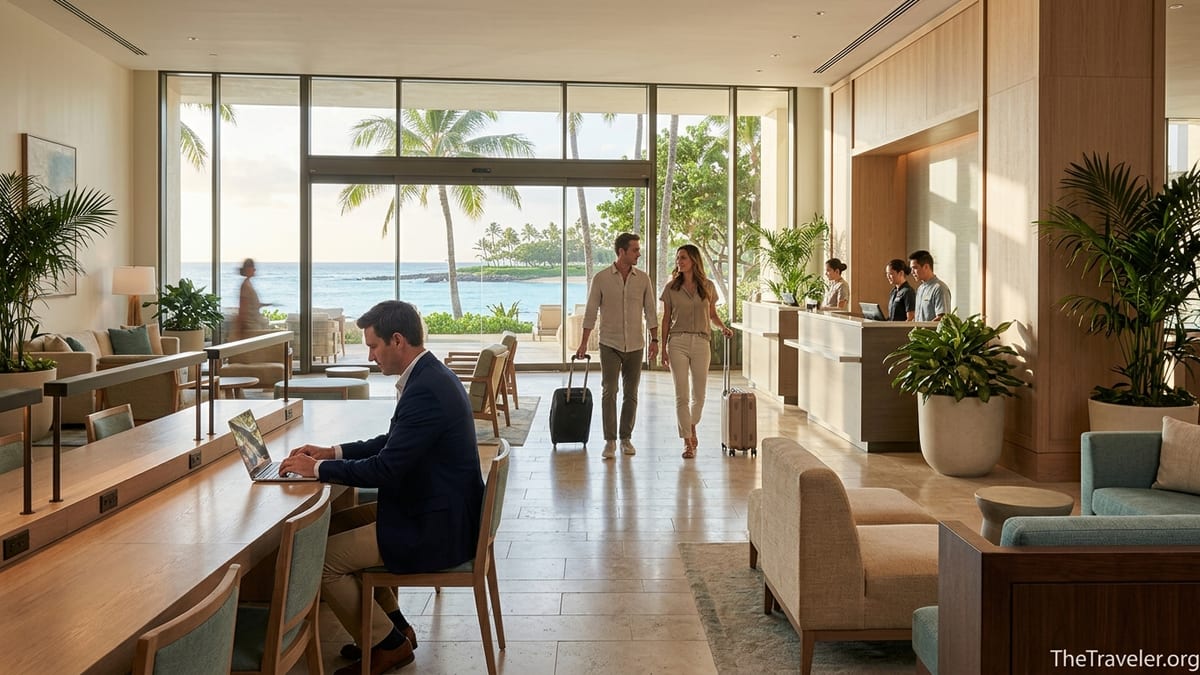
The Hyatt Brand Universe in 2026
To understand the Hyatt experience, it helps to start with how the company now organizes its hotels. Since 2025, Hyatt has grouped its brands into five portfolios: Luxury, Lifestyle, Inclusive, Classics, and Essentials, an architecture meant to make it easier for guests and corporate travel planners to match a stay to a specific trip purpose. Within those portfolios sit familiar names like Hyatt Regency and newer ones such as Alila and Thompson, as well as a growing all inclusive collection.
Hyatt’s luxury portfolio includes brands such as Park Hyatt, Alila, Miraval, The Unbound Collection by Hyatt and, more recently, Impression by Secrets. Across these, Hyatt now counts roughly 125 luxury hotels worldwide, with new properties announced in destinations like the Red Sea, Johannesburg and resort areas of Thailand and Malaysia. The emphasis is on intimate room counts, strong sense of place, and high service levels that appeal as much to leisure guests as to executives tacking a weekend onto a work trip.
At the other end of the spectrum, Hyatt’s Essentials and Classics portfolios include workhorses like Hyatt Place, Hyatt House and Hyatt Regency. These are the brands road warriors are most likely to encounter in business hubs and near convention centers. A Hyatt Place opening near Bryce Canyon National Park, for instance, shows how the group is also chasing demand from travelers who need reliable, midscale options near major outdoor attractions, not just big cities.
Layered over the brands is the World of Hyatt loyalty program, which ties together everything from city business hotels to wellness resorts. Whether you are holding meetings in Seattle, redeeming points for a weekend at Hyatt Ziva Cancun, or trying out a new Standard or Bunkhouse property in a creative neighborhood, the same account and points currency now spans the experience. For frequent travelers, that cohesion is a large part of what “staying with Hyatt” means today.
Inside a Hyatt Business Stay: Regencys, Place and Beyond
For many travelers, the Hyatt experience begins with a straightforward business trip. Hyatt Regency is the flagship here. Properties such as Hyatt Regency Chicago, with roughly 240,000 square feet of meeting space and a downtown riverfront location, or Hyatt Regency Phoenix, with more than 40,000 square feet of function space and easy access to the convention center, are designed to handle everything from small board meetings to major industry conferences.
In practice, that means features like flexible ballrooms, breakout rooms with built in audiovisual setups, and event teams versed in hybrid meetings. At Hyatt Regency Seattle, one of the newer convention hotels in the United States, planners can spread a multi day conference across extensive meeting floors while attendees stay in more than a thousand guest rooms above. For a midweek traveler, the experience might simply mean checking into a quiet room with a large desk, fast Wi Fi and a lobby coffee bar that opens early enough for a pre meeting espresso.
Business travelers on the road for weeks at a time often gravitate toward Hyatt Place and Hyatt House. A Hyatt Place near an airport or suburban office park typically offers larger than average rooms with sofa beds, an efficient breakfast, and 24/7 grab and go food, which matters when you are landing after midnight. Hyatt House properties, which skew toward extended stay, add kitchenettes and laundry facilities, appealing to project teams on multi month assignments.
Hyatt is also moving into the upper midscale with the new Hyatt Studios brand, aimed at secondary and tertiary markets where business demand is steady but not splashy. A development like Hyatt Studios Mobile in Alabama illustrates the formula: functional rooms with kitchenettes, simple self service amenities, and a design that feels more contemporary than traditional budget hotels. For cost conscious companies sending staff on long road trips, this segment is meant to deliver reliable value without feeling bare bones.
Blurring Lines: Lifestyle Hotels for Work and Play
Where Hyatt has changed most visibly is in the lifestyle space, where work and play blend. Brands such as Thompson Hotels, Andaz, The Standard and The Unbound Collection by Hyatt are aimed at travelers who want a hotel to feel plugged into the local city scene, not just a place to sleep between meetings. These are the properties with independent style restaurants, lobby bars that draw locals, and interiors shaped by local designers and artists.
A consultant flying into New York for client meetings, for example, might choose the Thompson Central Park or a Standard property for a stay that includes both serious work time and after hours networking in the hotel bar. Meeting rooms are often more intimate and design driven than at a convention hotel, suited to team offsites or media presentations rather than giant trade shows. Public areas are deliberately informal so that a laptop session over coffee feels natural.
In Asia Pacific, Hyatt is expanding lifestyle brands into destinations like Bangkok, Kuala Lumpur and coastal Vietnam. New Andaz and The Standard hotels in these cities are positioned as hubs for creative industries and international travelers who want neighborhood energy. For a regional manager based in Singapore, that might mean hosting a small strategy retreat at an Andaz in Thailand, starting the day in a top floor meeting room and ending it with cocktails at a rooftop bar that is popular with locals.
For leisure travelers, these same lifestyle hotels can serve as a soft landing into a new city. A long weekend at an Andaz in a European capital, for example, might mix gallery visits and client lunches with time spent working from a cozy lounge, effectively turning a leisure city break into a hybrid workcation. Hyatt is leaning into this flexibility as work patterns become more fluid.
Luxury at the Top: Park Hyatt, Alila and Miraval
On the luxury end, Hyatt has been sharpening its focus. Park Hyatt remains the most globally recognized high end brand in the portfolio, known for understated design, strong food and beverage programs, and discreet service aimed at both executives and high spending leisure guests. Upcoming properties in cities like Johannesburg are being built with fewer rooms and greater attention to residential style comfort, signaling a move away from anonymous big box luxury.
Alila, which emphasizes sustainability and connection to nature, is expanding in resort locations from island settings in China to reimagined properties in Mexico. An Alila resort typically offers open air architecture, locally sourced materials, and activities that draw guests into the surrounding landscape. For a traveler used to straightforward Hyatt Regency stays, checking into an Alila on a long haul vacation can feel like a complete reset, even though the same loyalty account underpins the booking.
Miraval sits in a different niche: destination wellness. The brand is known for all inclusive retreat style stays in the United States, and plans are underway for a Miraval resort at the Red Sea, which would mark its first location outside the country. Here, the Hyatt experience is less about brand wide consistency and more about deeply programmed days, from mindfulness classes and nutrition consultations to spa treatments. Corporate groups occasionally rent out parts of Miraval properties for executive offsites, underlining how wellness is creeping into the business travel conversation.
Hyatt’s luxury ambitions also extend into the adults only all inclusive space through brands like Impression by Secrets. These small, high service resorts layer butler style attention and elevated dining onto a beachfront setting. For frequent Hyatt guests earning points in city hotels, being able to redeem for a three night stay at an Impression resort or Alila retreat can be a powerful motivator to consolidate their travel with the group.
The All Inclusive Side: Hyatt Ziva, Zilara and Inclusive Collection
One of the most dramatic shifts in the Hyatt universe has been its expansion into all inclusive resorts, primarily in Mexico and the Caribbean. Hyatt Ziva and Hyatt Zilara are the best known names here. Ziva is family friendly, while Zilara is adults only. Both focus on beachfront locations with multiple restaurants, swim up bars and activity programs bundled into the nightly rate, including food, drinks and entertainment.
Take Hyatt Ziva Cancun, often cited by frequent guests as one of the strongest all inclusive properties in the portfolio. Set on a scenic point of the city’s hotel zone, it offers several pools, a protected beach area with notably clear water, and a range of restaurants where guests can rotate between casual tacos, upscale steak and teppanyaki without ever pulling out a wallet. A typical guest might spend the morning snorkeling, the afternoon at a pool bar, and the evening at a theater style show, all covered in the room rate aside from spa or premium wine splurges.
For adults seeking a quieter atmosphere, Hyatt Zilara Riviera Maya or Hyatt Zilara Cancun offer a similar level of inclusion with a different tone. A couple on an anniversary trip in mid June, for instance, might book a five night stay, enjoy ocean view suites with whirlpool tubs, and settle into a routine of late breakfasts, beach time and multi course dinners. Current offers often include discounts of up to around 20 percent for certain dates and stay lengths, making shoulder season particularly attractive for those flexible on timing.
Beyond Ziva and Zilara, Hyatt’s Inclusive Collection now encompasses additional brands acquired through deals with operators in Mexico and the Caribbean. Names like Secrets, Dreams and Wyndham Alltra are part of this ecosystem, even when they do not carry the Hyatt name on the front sign. For travelers, the practical takeaway is that many of these resorts can be booked through Hyatt channels and earn or redeem World of Hyatt points, extending the reach of the program into classic sun and sand destinations that used to sit outside its orbit.
World of Hyatt: How Loyalty Connects Business and Leisure
For frequent travelers, the Hyatt experience is increasingly defined by World of Hyatt, the company’s loyalty program. Members earn points on eligible stays across all brands and can redeem those points for free nights, room upgrades and on property experiences like dining or spa treatments. The program uses a category based award chart with several pricing tiers, meaning that the number of points required for a free night varies depending on the hotel category and demand on specific dates.
World of Hyatt has three main elite tiers above the basic member level: Discoverist, Explorist and Globalist. Benefits step up as you move through them, from bonus points and late checkout to more meaningful perks such as suite upgrade awards, waived resort fees on eligible stays and complimentary breakfast for Globalists. Travel publications and loyalty experts regularly rank Globalist among the most valuable hotel elite statuses, particularly for its confirmed upgrade mechanisms and generous treatment of families at breakfast.
Hyatt has layered in Milestone Rewards, which grant additional benefits at specific night or base point thresholds, starting as low as 20 qualifying nights in a year and continuing well beyond 100. These rewards can include suite upgrade awards, club lounge access awards or even free night certificates valid at certain categories. A frequent business traveler who logs 60 nights a year at Hyatt Regency and Hyatt Place properties can easily find themselves with enough benefits to upgrade a family vacation at an all inclusive or book a long weekend at a Park Hyatt without extra cash outlay.
An interesting feature for variety seekers is the Brand Explorer benefit. Members earn a free night certificate after completing five different Hyatt brands, with additional certificates available as they reach more brand milestones over the lifetime of their membership. In practice, that might look like staying at a Hyatt Regency for a conference, an Andaz for a city break, an Alila for a resort escape, a Hyatt Place on a quick road trip, and a Hyatt Zilara for an anniversary. The payoff is a free night in a mid tier property that can meaningfully reduce the cost of a future trip.
Planning Your Own Hyatt Journey
Deciding how to use Hyatt across a year of travel starts with mapping your own patterns. A consultant or salesperson based in the United States might realistically spend two or three nights a week on the road. If they direct most of those stays into Hyatt Regency, Hyatt Place and Hyatt House, they could reach Explorist or Globalist status within a year, earning benefits that significantly improve those same work trips. Guaranteed late checkout, free breakfast where available and better room types reduce friction in ways that feel subtle day to day but obvious over dozens of nights.
That same traveler can then look at their points balance and milestone rewards to plan leisure stays. A long weekend at Hyatt Ziva Cancun or Hyatt Ziva Puerto Vallarta, using points for at least some nights, turns routine work travel into a beachfront holiday for the family. Couples might earmark points for a three night stay at an adults only Hyatt Zilara or an Alila property in Asia, timing the trip to coincide with off peak award pricing for better value.
Corporate travel managers can also lean into Hyatt’s breadth when negotiating preferred agreements. A company with offices in Chicago, Phoenix and Seattle might anchor its corporate rate program at the major Hyatt Regency and Hyatt Place properties in those cities, while still enabling staff to book lifestyle brands like Thompson or Andaz for client facing trips where design and location matter. The fact that the same loyalty currency works across these stays can help with traveler satisfaction and retention.
For occasional travelers who will never see 50 nights in a year, Hyatt can still make sense as a “quality over quantity” choice. Because the portfolio is smaller than some competitors, Hyatt often focuses on higher impact locations rather than filling every exit on a highway. If you prioritize specific destinations like urban convention centers, major leisure hubs in Mexico and the Caribbean, or emerging luxury spots in Asia and the Middle East, deliberately choosing Hyatt when the option exists can still deliver outsized value from even a modest number of annual stays.
The Takeaway
The modern Hyatt experience is less about a single, instantly recognizable hotel style and more about a spectrum of stays connected by service culture and a common loyalty program. On one trip, that might mean a no nonsense night at a Hyatt Place near an industrial park, where mobile check in and a decent breakfast help keep a busy week on track. On another, it could be a carefully planned escape to a Park Hyatt or Alila, where architecture, cuisine and setting invite you to slow down.
What ties these experiences together is Hyatt’s deliberate push into both business and high end leisure travel, from convention hotels like Hyatt Regency Chicago to intimate villas at future Miraval and Alila properties. The growing all inclusive portfolio through Hyatt Ziva, Hyatt Zilara and the broader Inclusive Collection adds another pillar, giving members an easy way to convert points and status into fully packaged vacations.
For travelers willing to be intentional, Hyatt can function as a travel ecosystem: a place to rest your head on work nights, a source of aspirational redemptions in far flung destinations, and a framework for planning both quick getaways and long awaited milestone trips. Whether you first encounter the brand in a boardroom corridor or on a Caribbean beach, understanding how its pieces fit together can help you get more out of every stay.
FAQ
Q1. What are the main differences between Hyatt Regency, Hyatt Place and Hyatt House?
Hyatt Regency focuses on full service stays with extensive meeting space, Hyatt Place emphasizes streamlined rooms and 24/7 casual dining for short stays, and Hyatt House offers apartment style accommodations with kitchens and amenities geared toward longer visits.
Q2. Which Hyatt brands are best for a high end leisure vacation?
For luxury focused trips, look first at Park Hyatt, Alila, Miraval and select properties in The Unbound Collection or Thompson. These typically offer more distinctive design, higher service ratios and stronger dining programs than classic business hotels.
Q3. How do Hyatt Ziva and Hyatt Zilara all inclusive resorts differ?
Hyatt Ziva resorts are family friendly and welcome children, while Hyatt Zilara properties are adults only and generally aim for a quieter, more romantic atmosphere. Both include most food, drinks and entertainment in the nightly rate.
Q4. Can I earn and use World of Hyatt points at all inclusive resorts?
Yes, many all inclusive properties in the Hyatt Ziva, Hyatt Zilara and broader Inclusive Collection participate in World of Hyatt. You typically earn points on eligible stays and can redeem points for free nights, although point requirements vary by resort and date.
Q5. Is World of Hyatt status worth pursuing for a mostly business traveler?
For travelers who spend a significant number of nights per year on the road, World of Hyatt status can be valuable. Benefits like late checkout, complimentary breakfast at many brands, room upgrades and Milestone Rewards can improve both everyday work trips and future leisure stays.
Q6. How many nights do I need to reach the top elite tier with Hyatt?
Requirements can change over time, but generally the highest tier, Globalist, is aimed at frequent travelers who stay on the order of several dozen nights per year with Hyatt. Checking the current World of Hyatt terms before planning is important, as thresholds and benefits may be updated.
Q7. Are Hyatt’s luxury resorts only for leisure, or can they work for business?
Many luxury properties, especially Park Hyatt and some Alila and Thompson hotels, support small meetings and executive retreats with boardrooms, private dining spaces and tailored activities. They can be ideal settings for leadership offsites where a strong sense of place is part of the agenda.
Q8. What is the Brand Explorer award in World of Hyatt?
Brand Explorer is a feature that grants a free night certificate after a member completes stays at a set number of different Hyatt brands. It encourages travelers to sample the portfolio, and the certificate can be used at participating hotels up to a defined category limit.
Q9. How should I decide whether to book a Hyatt all inclusive with cash or points?
Many travelers compare the cash rate for their dates to the number of points required for a free night, then estimate a cents per point value. If the redemption value is meaningfully higher than what they usually achieve with Hyatt points, they lean toward using points; if not, paying cash and saving points for another trip may make more sense.
Q10. Are Hyatt’s newer lifestyle brands suitable for families?
Some lifestyle hotels, such as certain Andaz and Thompson properties, work well for families who value walkable locations and design forward spaces, though room sizes and pool setups can vary. It is worth checking individual hotel details and room layouts, since these brands are often more tailored and less standardized than traditional family resorts.