


Among frequent travelers, few debates are as passionate as which hotel program truly earns loyalty. In that conversation, Hyatt repeatedly punches above its weight. Despite a smaller global footprint than giants like Marriott or Hilton, the World of Hyatt program inspires a level of devotion that shows up in traveler forums, points blogs and real booking behavior. Road warriors will go out of their way to reach a Hyatt Place off the highway or a Park Hyatt in a major capital, passing multiple competitors along the way. Understanding why Hyatt has earned this following offers useful insight into how loyalty is built in practice, not just in marketing decks.
Get the latest updates straight to your inbox!
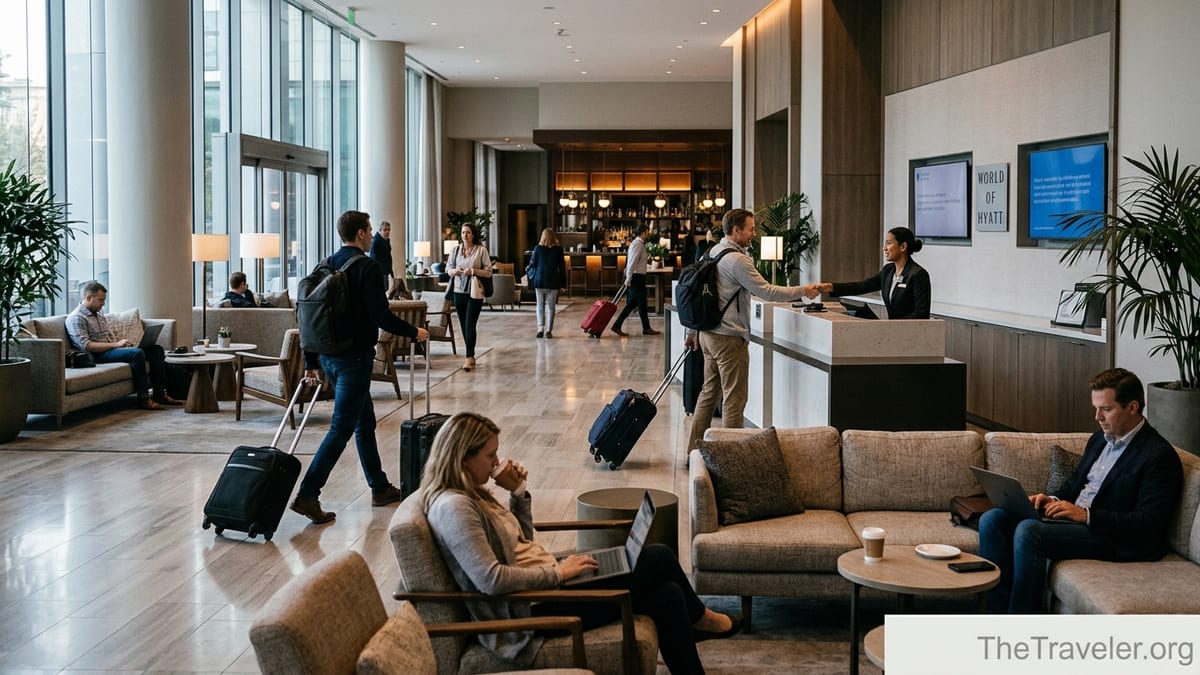
A Smaller Footprint With a Sharper Focus
Compared with some of its rivals, Hyatt still runs a relatively compact portfolio. The company manages and franchises hundreds of hotels rather than the several thousand properties you see from Marriott or Hilton worldwide. That smaller footprint has forced Hyatt to be selective about where it grows and what brands it adds. Acquisitions like Two Roads Hospitality in 2018 and Apple Leisure Group in 2021, which brought resort brands such as Secrets and Dreams into the fold, were not about volume alone but about adding attractive options in leisure destinations that frequent travelers actually want to book, from Cancun to Mallorca.
For a business traveler shuttling regularly between cities like Chicago, Seattle and New York, this tighter network can feel more curated than limiting. You are likely to find a Hyatt Regency near major convention centers, a Hyatt Place close to key suburban office parks and a higher-end Grand Hyatt or Thompson in central business districts. A consultant flying into Seattle for a client week, for example, might split nights between Hyatt Regency Seattle for meetings and the nearby Thompson Seattle for a weekend stay that feels more like a stylish city break than an extension of the workweek.
Hyatt’s selective approach is also visible in its newer brands. The company has introduced lifestyle and upper-midscale concepts such as Caption by Hyatt and Hyatt House to fill specific gaps instead of chasing every possible segment. For frequent travelers this means that when you do see the Hyatt name on a booking screen, you often have a good sense of the experience you can expect, whether that is a focused-service Hyatt Place by a regional airport or a design-led Alila resort in Bali.
Because the network is smaller, elite members often report that individual hotels recognize them more consistently. A Globalist who spends forty or fifty nights a year with Hyatt may find that staff at a regular property in Dallas or Tokyo remember their room and breakfast preferences in a way that is harder to maintain across an enormous mega-chain. That sense of being known is one of the quiet but powerful reasons many travelers keep directing nights to Hyatt rather than spreading stays across multiple brands.
World of Hyatt: A Loyalty Program That Still Feels Generous
The backbone of Hyatt’s appeal among frequent travelers is the World of Hyatt loyalty program. Unlike some competitors that have repeatedly raised qualification thresholds, World of Hyatt has kept elite night requirements relatively stable in recent years. Globalist, the top published tier, still typically requires 60 qualifying nights in a calendar year, a target that is demanding but achievable for many consultants, sales reps and long-haul travelers who are regularly on the road.
What drives loyalty is not just how you qualify but what you receive once you get there. Globalist benefits include complimentary breakfast for two adults and two children at most brands, waived resort and destination fees on both paid and award stays, and 4 p.m. late checkout at many properties. In real terms that might mean a family of four at a beachfront Hyatt Regency in Maui saving substantial amounts on breakfast each day, or a business traveler in New York using late checkout at a property near Times Square to work a full day in their room before a late flight home, instead of paying for an extra night.
Even travelers who never reach Globalist can see real value. Explorist status at 30 nights comes with room upgrades to preferred rooms when available, as well as bonus points on stays. Someone who spends a few nights each month at a Hyatt Place near a regional airport, for instance, might reach Explorist and routinely find themselves in slightly larger rooms or on quieter floors at no extra cost. Base members earn five points per U.S. dollar spent before any elite bonuses, and those points can stretch far at Category 1 and 2 properties, where off-peak award nights often remain relatively attainable compared with the dynamic, sometimes unpredictable pricing at other chains.
Importantly, Hyatt has been cautious about sudden, drastic changes. While there have been adjustments to categories and program features over the years, the company has tended to communicate major shifts in advance and retain core perks like free breakfast for top elites. Among road warriors who plan entire years of travel around earning and using benefits, that relative stability has earned trust. In loyalty circles, Hyatt is still frequently held up as the example of a hotel chain that, at least so far, offers elite status that feels like more than a colored line on a mobile app screen.
Milestone Rewards and Confirmable Upgrades
One of the features that truly sets Hyatt apart in the eyes of frequent travelers is its Milestone Rewards system. Instead of only rewarding members based on what tier they reach, World of Hyatt grants specific benefits at defined night thresholds, such as 20, 30, 40, 50 and 60 qualifying nights in a year. These benefits can include things like club lounge access awards, free night certificates valid at mid-tier properties and, most prized of all, suite upgrade awards that can be applied in advance of a stay.
For a road warrior planning a special trip, those confirmable suite upgrades are game-changing. A consultant who spends much of the year bouncing between Hyatt Place and Hyatt Regency properties for work might hit 50 or 60 nights and receive multiple suite upgrade awards. They can then apply one of those awards to turn a standard room at a Park Hyatt in Paris into a guaranteed suite for a long weekend with a partner, as long as standard suites are available at booking. Instead of hoping for a complimentary upgrade at check-in, the traveler can lock in extra space months in advance and plan accordingly.
Beyond suites, Milestone Rewards include certificates like a Category 1 to 4 free night, which can be invaluable in cities where cash rates fluctuate wildly. A traveler might use such a certificate at a Hyatt Place near London’s financial district on a night when rates for a standard room are hovering around a few hundred U.S. dollars, effectively turning a year of routine business travel into a nearly free stopover in a major city. Other rewards might be funneled into experiences through Hyatt’s own activities platform, allowing a member to use a credit toward something like a cooking class in Mexico City or a guided hike in the Alps.
Because these rewards are tied to exact stay counts rather than only to tier labels, they create a strong incentive to consolidate nights with Hyatt. A traveler sitting at 48 nights in October might choose a Hyatt House over a comparable competitor in a suburban office park, even if the rate is slightly higher, simply to cross the next Milestone threshold and pick up another upgrade or free night. Over time, that pattern of decision-making deepens the relationship and makes Hyatt the default choice when planning trips.
Thoughtful Brand Design for Real-World Travel
While loyalty program details matter to frequent travelers, the on-the-ground experience at each brand is what ultimately keeps people coming back. Hyatt’s portfolio is built around a series of clearly defined brands that cater to different types of trips without blurring into one another. Hyatt Regency targets large business and convention travelers with extensive meeting space and full-service amenities. Hyatt Place, originally born out of the AmeriSuites acquisition and later refreshed, is squarely aimed at mid- to upper-income guests who want a reliable, modern room, a good breakfast and practical workspaces without paying for extras they will not use.
A typical Hyatt Place just off an interstate in Colorado or Georgia, for example, will offer spacious rooms with a work desk, a sofa and a wet bar area, along with free hot breakfast and all-day grab-and-go options. For a sales rep driving between small markets, that consistency is invaluable. They can pull into a Hyatt Place Bakersfield or a Hyatt Place outside Columbus and know they will have fast Wi-Fi, plenty of outlets, a quiet lobby to take calls and a 24/7 gym. At the higher end, Park Hyatt and Alila properties offer a more residential or retreat-style feel, with design-forward rooms, destination dining and a focus on local sense of place that appeals to travelers who mix business travel with aspirational leisure trips.
Hyatt has also leaned into lifestyle and boutique-inspired brands to capture travelers who might otherwise gravitate to independent hotels. Thompson Hotels and Andaz, for instance, often anchor neighborhoods with strong food and nightlife scenes. A frequent flyer visiting Nashville may choose the Thompson in the Gulch district to be able to walk to live music venues after meetings, while still earning and redeeming World of Hyatt points. That combination of loyalty benefits and local flavor is a powerful draw for travelers who do not want every city to feel the same.
At the extended-stay end of the spectrum, Hyatt House caters to travelers on longer assignments who need a kitchenette and more living space. An IT consultant on a three-week stint near a corporate campus in Texas might prefer Hyatt House over a standard hotel room because it allows cooking simple meals and spreading out work materials in a suite-style layout. Being able to earn the same World of Hyatt points and elite nights across such varied stay types, from quick airport layovers to month-long relocations, makes it easier for frequent travelers to keep most of their nights within the Hyatt ecosystem.
Strategic Expansion Into Leisure and All-Inclusive Resorts
Historically, Hyatt was known primarily as a business traveler’s brand, with strong presence in city centers, near airports and around major convention venues. In the last decade, the company has deliberately expanded into leisure travel, particularly through the acquisition of Apple Leisure Group, a major player in luxury all-inclusive resorts across Mexico, the Caribbean and parts of Europe. That deal brought marquee brands like Secrets, Dreams and Zoetry under the Hyatt umbrella and dramatically increased the options for World of Hyatt members looking for sun-and-sand vacations.
For a frequent business traveler based in the United States, this has tangible implications. Someone who spends most of the year bouncing between Hyatt Regency properties in Chicago, San Francisco and Boston can now redeem their hard-earned points for an all-inclusive stay at a beachfront resort in the Riviera Maya, where meals, drinks and many activities are bundled into the nightly rate. Families planning a spring break trip might choose a Dreams property in the Dominican Republic, using a combination of points and cash to offset what would otherwise be an expensive weeklong vacation.
Hyatt’s inclusive resort collection does more than just offer redemptions. Some frequent travelers now plan a pattern of stays that mixes intense work travel with restorative leisure time, often described as “bleisure.” They might schedule meetings in Mexico City, then hop to a nearby all-inclusive resort over the weekend before flying home, all while staying within the Hyatt family of brands. This kind of connected experience helps deepen loyalty because it ties life’s best trips to the same program that structures routine business nights.
Beyond beach resorts, Hyatt has been building out its presence in ski destinations, wine regions and national park gateways, often through franchise and management deals that bring independent hotels into the World of Hyatt portfolio. For example, a traveler might stay at a boutique property in a mountain town that has joined Hyatt’s collection, earning points on a leisure ski trip that can later be combined with points from a Hyatt Place near a suburban office park. The net effect is that more of a frequent traveler’s year can be captured within a single loyalty ecosystem, making Hyatt a natural home base.
Service Culture and the Human Side of Loyalty
Beyond points charts and brand portfolios, Hyatt’s following among frequent travelers is heavily influenced by something less tangible: service culture. Many loyalists will tell stories of front desk agents at Hyatt Regency Chicago remembering their preferred room stack over multiple stays, or of staff at a Grand Hyatt in Asia proactively blocking connecting rooms for a family without being asked. These anecdotes circulate widely on travel blogs and forums and help shape the perception that Hyatt treats its most frequent guests as valued individuals rather than anonymous reservation numbers.
In practice, this often shows up in how properties handle the gray areas of policy. For example, when a late flight causes a Globalist to arrive well after midnight, some front desks are known to honor their late checkout the following day without pushing back, giving the traveler time to rest and regroup. In other cases, hotels may go out of their way to apply a suite upgrade or welcome amenity during a stay that overlaps with a guest’s birthday or anniversary noted on the profile. While such gestures are not guaranteed, they contribute to a feeling that Hyatt encourages local teams to use discretion in ways that build long-term relationships.
Frequent travelers also appreciate when hotel staff take an interest in the purpose of a stay. A road warrior arriving at a Hyatt Place before an important client presentation might be offered a quieter room stack away from the elevator, or a barista at a Hyatt Regency lobby coffee bar might remember a regular’s morning order after just a few visits. In an age where much of the travel journey is mediated through apps and kiosks, those human touches stand out. Over time, they can make the difference between someone tolerating travel and genuinely looking forward to returning to a familiar property on their route.
Hyatt’s smaller scale arguably makes such service consistency more achievable. With fewer properties to manage, training and culture initiatives can penetrate more deeply than at sprawling global portfolios. While experiences will always vary by hotel ownership and local management, enough frequent travelers report positive, personal interactions at Hyatt properties that it has become a defining part of the brand’s reputation among road warriors.
The Takeaway
Hyatt’s loyal following among frequent travelers did not emerge overnight, nor is it based on a single star feature. Instead it reflects a combination of strategic choices: a relatively focused global footprint, a loyalty program that still delivers meaningful elite benefits, tangible Milestone Rewards, and thoughtful brand design that supports everything from one-night airport layovers to weeklong all-inclusive vacations. Layered on top is a service culture that often feels more personal and flexible than what guests encounter at some larger competitors.
For travelers who spend dozens of nights per year in hotels, those elements translate into real-world advantages. A Globalist might enjoy guaranteed late checkout and breakfast on every business trip, then redeem points and suite upgrades for a family escape to a beach resort. A mid-tier member who favors Hyatt Place and Hyatt House may find that free nights and occasional upgrades show up faster than expected. Over time, these experiences create an emotional connection that extends beyond spreadsheets and points valuations.
As the hotel industry continues to evolve, with more lifestyle brands, dynamic pricing and shifting partnerships, Hyatt will face the same pressures as its peers to balance generosity and profitability. Yet the company’s track record so far suggests an understanding that true loyalty cannot be bought purely with sign-up bonuses or short-lived promotions. It is built night after night, in how a hotel greets a late-arriving guest, structures its benefits and offers ways to turn routine travel into memorable stays. That is the quiet but compelling reason so many frequent travelers continue to choose Hyatt keys for their wallets.
FAQ
Q1. Is Hyatt’s smaller footprint a disadvantage for frequent travelers?
For some routes, yes, because you may not find a Hyatt in every small town. However, many frequent travelers view the more curated network as a positive, since it tends to focus on major business and leisure markets where they travel most often.
Q2. How many nights do I typically need to reach Hyatt Globalist status?
Globalist status usually requires around 60 qualifying nights in a calendar year, which many consultants, sales professionals and international travelers can reach if they concentrate most of their hotel stays with Hyatt.
Q3. What makes Hyatt’s Milestone Rewards different from other hotel programs?
Milestone Rewards give you specific perks at defined night counts, such as suite upgrade awards or free night certificates, rather than only rewarding you when you cross a single annual tier threshold.
Q4. Are Hyatt’s suite upgrade awards really confirmable in advance?
Yes, when standard suites are available at booking, you can apply a qualifying suite upgrade award to lock in that suite ahead of your stay, which is a key reason many elites favor Hyatt.
Q5. Does Hyatt still offer free breakfast to top-tier elites?
At most full-service brands, Globalist members receive complimentary breakfast for two adults and two children, either in the restaurant or via club lounge access where lounges are available.
Q6. How has Hyatt improved its options for beach and resort vacations?
Through acquisitions like Apple Leisure Group, Hyatt added many all-inclusive and resort properties across Mexico, the Caribbean and Europe, allowing members to redeem points at popular leisure destinations.
Q7. Is Hyatt a good choice if I mostly stay at mid-range hotels near highways and airports?
Yes. Brands like Hyatt Place and Hyatt House are designed for exactly that kind of travel, offering modern rooms, free breakfast at many locations and reliable workspaces attractive to road warriors.
Q8. Can I earn and redeem World of Hyatt points on longer, apartment-style stays?
Hyatt House and some other extended-stay or residential-style properties award points and elite night credit, so travelers on multi-week assignments can earn the same benefits as on shorter trips.
Q9. How does Hyatt’s service culture influence loyalty?
Many frequent travelers report that staff at Hyatt properties recognize them, remember preferences and often use discretion to enhance stays, which builds a sense of being genuinely valued.
Q10. If I am loyal to another hotel chain now, is it worth switching to Hyatt?
It can be, especially if you value confirmable upgrades, strong elite breakfast benefits and a growing mix of business and leisure properties. Many travelers who switch find the overall experience and recognition compelling enough to stay.