


Ramada by Wyndham sits in a sweet spot of global travel: familiar, midscale comfort that stretches from basic roadside stops to surprisingly polished full service resorts. For many travelers, “staying at a Ramada” can mean very different things depending on the country, the city and even the specific sub-brand. Understanding those nuances is the key to getting good value for your money, whether you are breaking a long drive on a U.S. interstate or planning a week around a lakefront resort in India.
Get the latest updates straight to your inbox!
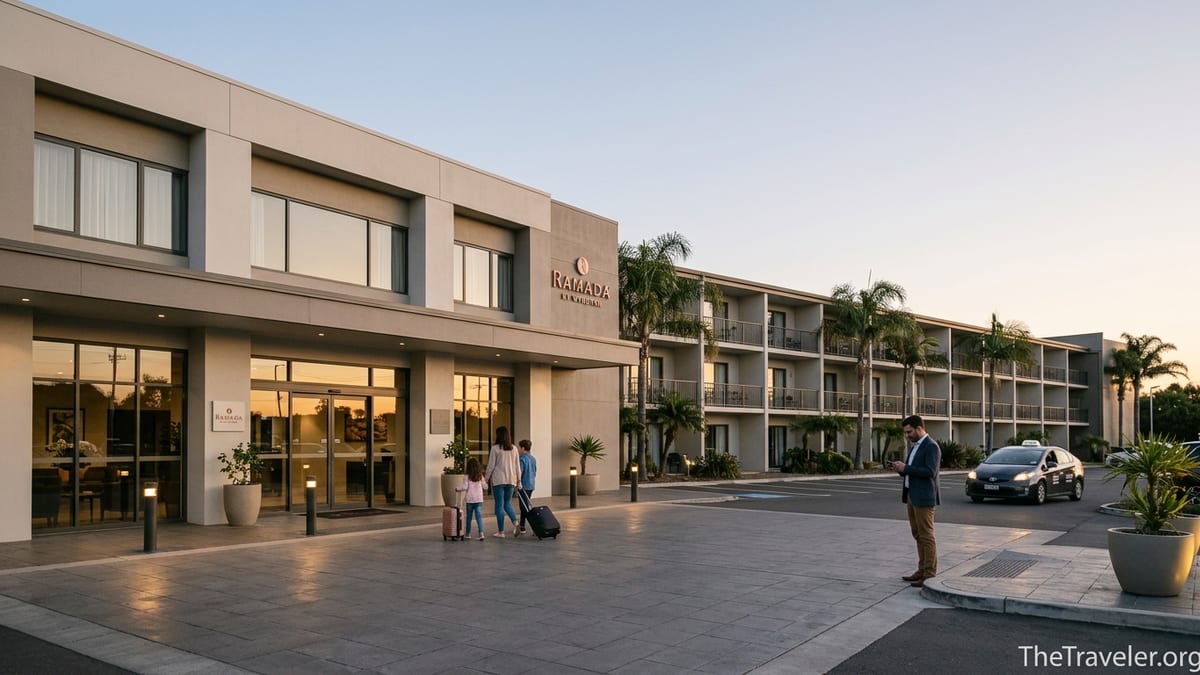
The Ramada Brand in a Nutshell
Ramada is a midscale and upper midscale hotel brand owned by Wyndham Hotels & Resorts, with hundreds of properties spread across more than 60 countries. In practical terms, that means you will find Ramada signs on everything from compact highway hotels with free breakfast in the American Midwest to full service resort compounds in tourist hubs like Udaipur or Kochi. The name is consistent, but the on-the-ground experience can vary widely.
Most travelers today will see the brand as “Ramada by Wyndham,” a rebranding that helps link Ramada to Wyndham’s wider loyalty ecosystem. For guests, that connection is useful because the same Wyndham Rewards points you earn at a simple Ramada just off Interstate 8 in San Diego can later be redeemed at a more upscale Ramada Resort in a bucket-list destination. The shared platform also means a baseline of standards around safety, cleanliness and core amenities, even as decor and service levels differ.
Historically launched in the 1950s as a roadside American chain, Ramada has evolved into a flexible global label that can be adapted to local markets. That is why you might see one property marketing itself heavily to convention traffic near Disneyland in Anaheim, while another brands itself as a spa getaway in southern India. This flexibility is part of the appeal, but it also means travelers should research individual hotels rather than assuming all Ramadas feel the same.
The brand’s positioning today is squarely in the midscale category, not luxury. Room rates typically undercut big global upscale names in the same area but sit above bare-bones budget motels. You are generally paying for a recognizable flag, dependable basics like Wi-Fi and breakfast in many locations, and the convenience of a network that spans secondary cities as well as major gateways.
Understanding Ramada’s Tiers: From Limited Service to Resorts
Within the single name “Ramada,” there are several tiers that hint at what you will get. At the budget-friendly end are Ramada Limited or similar limited service properties. These usually do not have a full restaurant or extensive facilities, but often include a simple hot or continental breakfast, free Wi-Fi and a small outdoor pool. A typical example is a place like Ramada by Wyndham San Diego Poway Miramar, where the focus is on a practical base with free parking and Wi-Fi rather than on-property dining or spa experiences.
Standard Ramada Inn or Ramada by Wyndham hotels are usually full service or close to it in many markets. A property such as Ramada by Wyndham Costa Mesa/Newport Beach on the edge of coastal Orange County in California illustrates this middle ground. It offers a fitness room, meeting space, free Wi-Fi and, in some rate packages, breakfast, targeting guests who want more than a bed for the night but do not need a luxury badge. Conference space, a bar or restaurant and room-service style options may be available depending on location.
Further up the ladder sit Ramada Plaza, Ramada Suites and Ramada Resort properties. These tend to act more like traditional full service hotels, often in business hubs or classic leisure destinations. For instance, Ramada Suites by Wyndham San Diego/Hotel Circle Area combines a complimentary breakfast with an outdoor pool, hot tub, fitness center and business center, aiming at families visiting SeaWorld or the zoo as well as business travelers attending the convention center. Guests can grab snacks from an on-site convenience store and rely on high-speed Wi-Fi to work from their room or the lobby.
Outside North America, the distinction becomes even more pronounced. Ramada Resort by Wyndham Kochi in India, for example, sells itself as a lakeside resort with landscaped grounds, a large pool, spa services and multiple dining outlets, a world apart from a highway stop. Similarly, Ramada by Wyndham Udaipur Resort and Spa markets palace-style architecture and panoramic views over Udaipur’s lake region. Nightly rates for these resorts can easily run in the equivalent of roughly 100 to 180 U.S. dollars for standard rooms in peak season, compared with 80 to 140 U.S. dollars at many limited service Ramadas along U.S. highways outside major cities.
What Budget-Friendly Ramada Stays Really Look Like
At the budget-friendly end of the Ramada spectrum, the experience is largely about value and convenience for a night or two. Think of a property like Ramada by Wyndham San Diego Poway Miramar or similar suburban locations on the outskirts of medium-size American cities. Rooms are usually accessed from interior corridors, with standard midscale furnishings, a desk, coffee maker and basic toiletries. Carpets, bedding and fixtures tend to be functional rather than stylish, with the main promise being a clean, reasonably comfortable place to sleep.
Complimentary breakfast is one of the key selling points in many of these limited or select service Ramada properties. Morning offerings usually focus on items like cereal, yogurt, pastries, toast, fresh fruit and sometimes hot options such as scrambled eggs or waffles. Guests who are driving appreciate the free self-parking that is common in suburban or interstate locations, as well as free Wi-Fi that extends to the lobby and breakfast area. The pool, if available, is often a compact outdoor rectangle rather than a resort-style feature.
Pricing in this category is highly seasonal and location-dependent, but concrete examples give a sense of range. A limited service Ramada in a small Midwestern town might offer weekday rates in the 80 to 110 U.S. dollar range for a standard king room outside major holidays. The same brand on a busy corridor near a major tourist attraction, such as a Ramada by Wyndham near the Anaheim Convention Center, can jump to 150 to 220 dollars per night in peak school holiday periods, even if the overall feel remains midscale. Travelers drawn in by the brand name alone should still compare photos and recent guest reviews to confirm the property matches their expectations.
Service at these budget-oriented Ramadas is typically lean but friendly. Front desk teams may double as concierge, information desk and sometimes shuttle coordinators, particularly near airports or attractions. Housekeeping practices can vary by region and chain policy, with some properties offering daily full service only on request for environmental or staffing reasons. For road trippers or families who plan to spend most of their day outside the hotel, this lighter service model is often an acceptable trade-off for lower rates and included breakfast.
Inside Full Service and Resort-Style Ramada Hotels
Move into full service Ramada territory and the experience changes noticeably. Lobbies are larger, often with lounge seating and a bar area, there may be multiple dining outlets and room types expand to include suites and interconnecting rooms for families. Ramada Suites by Wyndham San Diego/Hotel Circle Area, for example, positions itself as a base for both leisure and business guests, combining free breakfast with a gym, business center and resort-like outdoor pool and hot tub close to major attractions like SeaWorld and the San Diego Zoo.
In resort destinations, Ramada properties can feel almost like standalone vacation complexes. At Ramada by Wyndham Udaipur Resort and Spa, guests check into a property spread over landscaped hillsides with heritage-style stonework, courtyards and an infinity pool overlooking the countryside. The on-site spa offers massages and Ayurvedic treatments, restaurants serve regional Indian and international dishes, and evenings might include live music or cultural performances. Similarly, Ramada Resort by Wyndham Kochi near the backwaters of Kerala offers waterfront villas, a large pool, spa facilities and on-site bars and restaurants that encourage guests to spend most of their stay within the property.
Prices in these full service and resort-style Ramadas reflect the higher amenity level and often premium locations. In Indian resort cities, standard room rates of roughly 100 to 180 U.S. dollars per night are common during busy seasons, with suites and private pool villas climbing higher. In European or Middle Eastern cities, a Ramada Plaza near a central business district might price just below international upscale rivals, offering a full restaurant, 24-hour room service, concierge and meeting rooms while keeping rates attractive to corporate travel managers watching their budgets.
Technology and operations at full service Ramadas also tend to be more sophisticated. Wyndham has invested in standardized property management systems and mobile tools across its full service portfolio, including Ramada. Guests at many of these hotels can check in via app, manage digital room keys where available, and charge food and beverage to their room using a centralized system. For frequent travelers balancing work and leisure, these details make full service Ramadas feel closer to big-name business hotels than to budget motels, even though the brand sits a notch below true luxury chains.
Amenities That Matter: Wi-Fi, Breakfast, Pools and More
Regardless of tier, a few amenities define the Ramada experience and should be on your checklist as you compare properties. Reliable Wi-Fi is practically a given across the brand, and many hotels promote free high-speed access in both rooms and public areas. Business travelers passing through hubs such as Newark or Costa Mesa often choose Ramada because they can count on functional desks, enough outlets and connectivity strong enough for video calls without upgrading to a premium plan.
Breakfast is another differentiator, but not every Ramada handles it the same way. Many limited service properties advertise free hot or buffet breakfast as part of the rate, while some full service hotels in urban areas prefer a paid restaurant buffet or à la carte menu. When comparing options like Ramada by Wyndham Newark/Wilmington or Ramada by Wyndham Anaheim Convention Center, check whether your rate includes breakfast or whether you need to budget an additional 10 to 20 dollars per person per day for morning meals in the hotel restaurant.
Leisure amenities also contribute to value. Even smaller Ramadas frequently feature an outdoor or indoor pool and a modest fitness room, which can be a welcome break on multi-day road trips with children. In family-oriented locations, pools may be larger and paired with hot tubs, sun loungers and small play areas. At the resort end, such as Ramada Resort by Wyndham Kochi, aquatic facilities become central to the experience, with expansive pools, kids’ zones and poolside bars that make it easy to spend an entire afternoon on-site rather than hunting for a public beach.
For business and event travelers, on-site meeting rooms and business centers are important. Many Ramadas adjacent to convention centers or airports include flexible event spaces, simple conference packages and basic audiovisual support. A property like Ramada by Wyndham Costa Mesa/Newport Beach, for example, attracts small corporate meetings and social events by pairing midscale guest rooms with a handful of function rooms and convenient parking. Travelers attending trade shows or regional conferences often find this mix of modest price and practical facilities more appealing than higher-priced upscale brands next door.
Real-World Pricing and Value Across Regions
Because Ramada operates globally and at multiple tiers, prices can feel surprisingly different for what appears on paper to be the same brand. In the United States, a roadside or suburban Ramada Limited may advertise weekday advance purchase rates around 80 to 120 U.S. dollars, sometimes including breakfast and parking. During peak weekends near major attractions or sporting events, those same properties can climb to 150 dollars or more, particularly in markets like Southern California or central Florida where demand is intense.
In contrast, resort-style Ramadas in India or Southeast Asia often market themselves as aspirational yet attainable stays for domestic travelers. Ramada by Wyndham Udaipur Resort and Spa typically advertises a wide range of prices depending on season and room type, but public rate ranges around the equivalent of roughly 100 to 180 U.S. dollars for standard rooms are common in periods of strong demand. Packages that bundle breakfast, airport transfers or spa credits can push the effective nightly cost higher, but many guests feel the design, views and leisure amenities justify the premium over no-frills city hotels.
City business hotels operating under the Ramada name in Europe, the Middle East or Latin America tend to slot just under classic four-star competitors. A Ramada Plaza near a central rail station or corporate district might price in the 120 to 200 U.S. dollar range on typical nights, while the fully flexible rate at a nearby upscale international brand climbs higher. For corporate travel programs that emphasize value over brand prestige, that pricing sweet spot is one of Ramada’s biggest advantages.
Loyalty also plays into the value equation. Because Ramada is part of Wyndham Rewards, frequent guests who stay at budget-friendly Ramadas on work trips can accumulate points and later redeem them at more resort-like properties, including Ramada Resorts and even other Wyndham brands. Travelers who plan strategically sometimes use relatively inexpensive midweek stays in U.S. highway hotels to earn enough points for a long weekend in a more expensive destination where cash rates would normally be out of reach.
How to Choose the Right Ramada for Your Trip
Navigating the wide range of Ramada experiences starts with recognizing that not all properties are created equal. When you search for “Ramada by Wyndham” in any city, take a close look at the suffix in the name, the photo gallery and the amenity list. A “Ramada by Wyndham” or “Ramada Plaza” with full service restaurant, meeting space and resort-style pool will look and feel very different from a “Ramada Limited” or compact airport hotel with little more than a breakfast room and small gym.
Next, match the hotel’s strengths to your purpose. Road trippers crossing the United States may prioritize free parking, breakfast and proximity to the highway over polished design or extensive dining options. For that kind of trip, a limited service Ramada just off a major interstate can be an ideal overnight stop. Families visiting theme parks in Anaheim or Orlando might seek a mid-tier Ramada with a larger pool, shuttle services or walkable distance to attractions, even if the interiors are straightforward.
For business travel, especially in secondary cities where options are limited, a full service Ramada can make sense when you need dependable Wi-Fi, a work desk and the possibility of on-site dining after a long day. Being able to step downstairs for a simple dinner or room service, meet colleagues in the lobby bar or book a small meeting room often matters more than luxury finishes. In resort destinations, the calculus shifts again: if your priority is relaxing by the pool or having spa treatments on-site, investing in a Ramada Resort or Ramada Plaza with full leisure facilities is usually worth the extra nightly cost.
Finally, use recent guest reviews as a reality check. Because the Ramada portfolio covers older converted properties as well as newer builds, condition can vary. Two hotels with nearly identical amenities on paper may feel quite different in person if one has been recently renovated and another has delayed upgrades. Paying attention to comments about cleanliness, noise and maintenance in the past year will help you pick a Ramada that delivers on the promise of comfortable midscale travel rather than one that feels tired.
The Takeaway
The Ramada experience today is less about a single, uniform product and more about a spectrum of midscale stays that range from bare-bones overnight stops to full service resorts. That flexibility is part of the brand’s appeal for travelers who value familiarity but want the option to trade up or down depending on the trip. A road trip across the American West might involve a string of budget-friendly Ramadas with free breakfast and easy parking, while a honeymoon in Rajasthan could center on a hilltop Ramada resort with lake views and a destination spa.
For travelers, the key is to look beyond the logo. Understanding Ramada’s internal tiers, reading amenity lists carefully and checking real-world pricing in context will help you decide whether a given hotel is offering basic shelter at a fair rate or a genuine full service experience at a discount compared with traditional upscale brands. Combined with the ability to earn and redeem Wyndham Rewards points across the portfolio, Ramada can be a smart, flexible choice when you want consistent comfort without paying for a luxury label.
FAQ
Q1. Is Ramada considered a budget or midscale hotel brand?
Ramada is generally considered a midscale to upper midscale brand. Some limited service properties feel close to budget hotels, while Ramada Plaza, Suites and Resort locations can edge toward four-star territory, especially outside North America.
Q2. What is the difference between a Ramada Limited and a regular Ramada hotel?
Ramada Limited and similar limited service properties usually offer fewer amenities, often with no full restaurant or extensive meeting space. A standard Ramada or Ramada Plaza is more likely to have on-site dining, larger lobbies, fitness rooms and sometimes room service.
Q3. Do all Ramada hotels include free breakfast?
No. Many limited service and roadside Ramadas include a complimentary continental or hot breakfast, but full service urban or resort properties sometimes charge for buffet or à la carte breakfast in the restaurant. It is important to check the specific rate details for each hotel.
Q4. Are Ramada hotels part of Wyndham Rewards?
Yes. Ramada by Wyndham participates fully in the Wyndham Rewards loyalty program. Guests can earn points on eligible stays and redeem them for free nights at Ramada and other Wyndham brands, which can significantly improve value for frequent travelers.
Q5. How much does it typically cost to stay at a Ramada?
Prices vary widely by location and season. In the United States, limited service Ramadas along highways may start around 80 to 120 U.S. dollars per night, while resort-style Ramadas in popular international destinations can run from roughly 100 to 180 dollars or more for standard rooms during busy periods.
Q6. Are Ramada resorts suitable for longer vacations?
Many Ramada Resorts and some Ramada Plaza properties are specifically designed for longer stays, with large pools, multiple dining options, spa services and organized activities. Examples include lakeside or backwater resorts in India, which often serve as self-contained vacation bases for several nights.
Q7. Is Ramada a good choice for business travelers?
Ramada can be a strong option for business travelers in the midscale range. Many properties offer free Wi-Fi, work desks, business centers and meeting rooms, as well as proximity to convention centers or corporate districts, all at rates that are usually lower than classic upscale business chains.
Q8. How consistent are Ramada hotels from country to country?
While core standards around safety and basic amenities are broadly consistent, the feel of Ramada hotels can vary significantly between countries and even within the same city. Some properties are modern new builds, others are older conversions, so it is wise to review recent photos and guest feedback for each hotel.
Q9. Can families expect kid-friendly facilities at Ramada hotels?
Many Ramada properties welcome families with features like pools, free breakfast and family rooms or suites. Resort-style locations may add kids’ pools, play areas and activity programs. However, not every property is equally family-focused, so parents should confirm specific facilities before booking.
Q10. How can I tell if a Ramada is full service before I book?
Look for clues in the hotel’s name and amenity list. Terms like Ramada Plaza, Ramada Suites or Ramada Resort usually signal full service. A full service Ramada will typically advertise at least one restaurant or bar, room service or in-room dining, and dedicated meeting or event space on its overview page.