


More news on this day
In an industrial pocket east of downtown Denver, United Airlines has quietly built what publicly available information describes as the world’s largest pilot training complex, a sprawling campus that now has the capacity to train up to 860 pilots every day.
Get the latest news straight to your inbox!
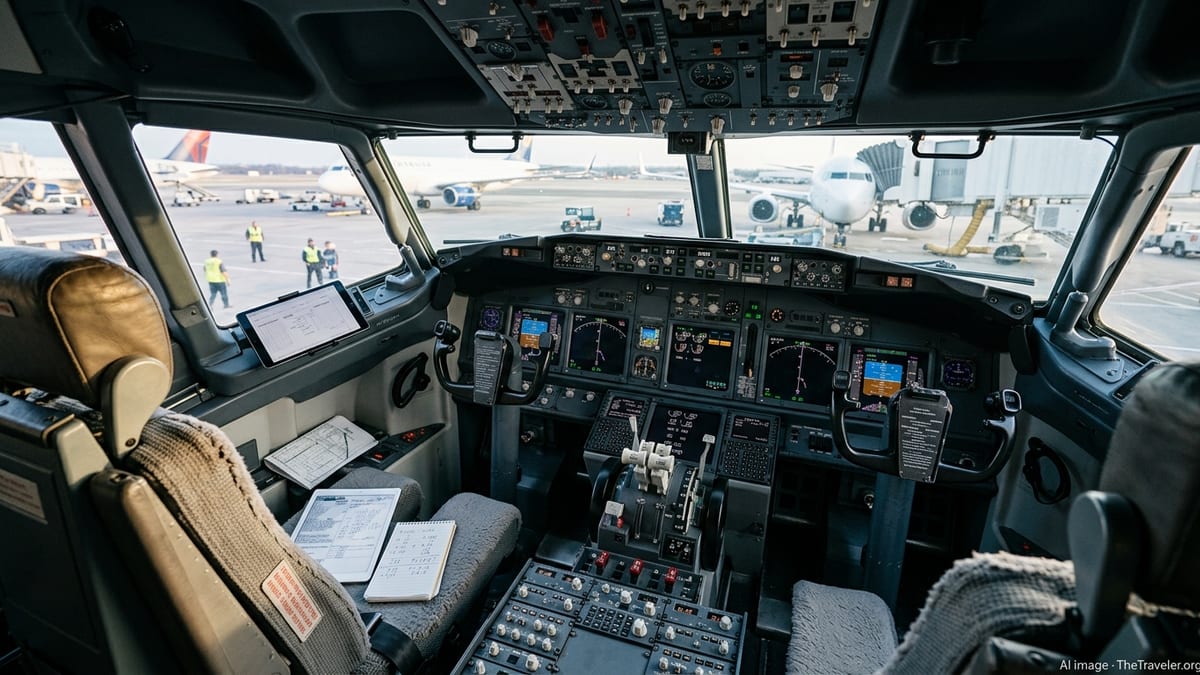
A Campus Built Around Full-Time Pilot Training
United’s Denver Flight Training Center has been expanding for more than a decade, but recent investments have pushed it into a different league. Company disclosures and recent coverage indicate United has invested roughly 370 million dollars into the campus since 2016, with more than 145 million dollars dedicated to a new building that opened in 2024. The facility sits near Denver’s Central Park neighborhood and operates as a closed campus focused almost entirely on pilot instruction and recurrent checks.
Phase one of the latest expansion, completed in August 2026, has turned the center into a dense cluster of training bays, classrooms and briefing rooms. According to recent media reports, the campus now houses 82 flight training devices in total, including full-motion simulators and fixed training units that replicate every mainline aircraft in United’s fleet. The result is a facility designed to keep pilots rotating through training cycles nearly around the clock.
The size of the operation is matched by its workforce. City filings related to zoning and development show nearly 1,500 people now work at the Denver Flight Training Center, ranging from instructor pilots and technicians to scheduling staff and curriculum designers. Buses shuttle pilots in and out for tightly timed training blocks, creating the feel of an aviation-focused university that never really shuts down.
How United Trains 860 Pilots a Day
The figure that stands out in the latest expansion is throughput. Based on United’s own published material and corroborating news coverage, the center can now conduct more than 32,000 training events a year and handle up to 860 pilots per day. That volume is made possible by the mix of 52 full-motion simulators and 30-plus fixed devices, coordinated through long operating days and intensive scheduling.
Training begins for pilots when they join the airline, with initial qualification courses that introduce aircraft systems, procedures and handling in the simulator. Publicly available descriptions of the program explain that pilots then return to Denver at regular intervals for recurrent training, typically every nine months, to maintain proficiency and regulatory currency. Each visit involves sessions in simulators, classroom time and evaluations that test emergency procedures and abnormal scenarios.
Most simulators run in tightly stacked blocks from early morning into late evening, with overnight hours reserved for maintenance and software updates. Industry reports indicate that United occasionally sells unused simulator time to other carriers, but the bulk of the schedule is now devoted to its nearly 18,000 pilots as the airline continues to grow its fleet and route network.
Technology Inside the Simulators
The core of the Denver campus is the network of full-motion simulators that sit on hydraulic or electric motion bases, surrounded by wraparound visual displays. Recent coverage, including local television and aviation trade reports, describes six new state-of-the-art devices that arrived with the 2024 building and a further wave of CAE-built simulators added through 2026. Together, they cover aircraft such as the Boeing 737 and 787 and the Airbus A320 family.
Each simulator is configured to match a specific cockpit, down to individual switches, displays and even seat movements. Advanced visual systems project detailed airport environments and weather conditions, allowing instructors to dial up crosswinds, low visibility or system failures. Fixed training devices provide identical avionics and layouts but without full motion, giving pilots additional time to rehearse flows and procedures before stepping into the highest-fidelity machines.
The technology is not limited to hardware. Training content is updated regularly to reflect changes to aircraft software, procedures and regulations. Reports on the expansion highlight United’s partnership with Canadian simulator manufacturer CAE, which has supplied 40 new training devices since 2022 and supports upgrades that keep the Denver center aligned with the latest cockpit technology.
Denver’s Strategic Role in United’s Growth
The decision to centralize simulator-based training in Denver has turned the city into a strategic hub in United’s long-term growth plan. Corporate reports and local business coverage describe the training center as a key part of the carrier’s strategy to grow its pilot ranks and support a large aircraft order book over the next decade. United has already hired thousands of pilots in recent years and publicly states that it plans to add many more as new aircraft arrive.
Denver’s geography and air service also support the choice. The city is already one of United’s fastest-growing hubs, with hundreds of daily departures that connect crews and instructors to the training center on regular flights. The campus sits within a region where United has purchased additional land, and zoning documents filed with the city reference the possibility of up to 60 additional simulator bays in future phases, suggesting that the current 860-pilot capacity may eventually grow further.
The economic impact is significant. Local reporting notes that United is among Denver’s largest private employers, with the training center contributing to that footprint through high-skilled, year-round jobs. Hotels, transportation providers and nearby businesses benefit from the steady flow of pilots cycling through multi-day training stays, creating an aviation-focused micro-economy on the city’s northeast side.
Shaping the Next Generation of United Pilots
Beyond recurrent checks for experienced captains, the Denver Flight Training Center is increasingly tied to United’s broader pipeline of new aviators. The airline’s Aviate program and other recruitment efforts feed pilots from flight schools, universities and the military into its training system, with Denver serving as the final gateway before they enter the line.
Since 2024, publicly available information indicates that nearly 600 military aviators have transitioned to United, with several hundred more expected by 2027. Many of those pilots will spend weeks at the Denver campus as they move from military aircraft to commercial jets, adapting their skills to airline-specific procedures and crew operations inside the simulators.
The scale and specialization of the facility also shape the airline’s safety culture. While regulators set minimum training standards, United’s published material emphasizes a focus on robust simulator time and regular evaluations. With the expanded Denver campus now capable of hosting 860 pilots a day, the carrier has created an infrastructure designed to keep pace with rapid growth while maintaining a consistent standard of training across its global operation.