


More news on this day
Escalating conflict involving Iran is reshaping official travel advice, flight routes and insurance cover across the wider Middle East, raising urgent questions for UK holidaymakers with trips booked for 2026 and beyond.
Get the latest news straight to your inbox!
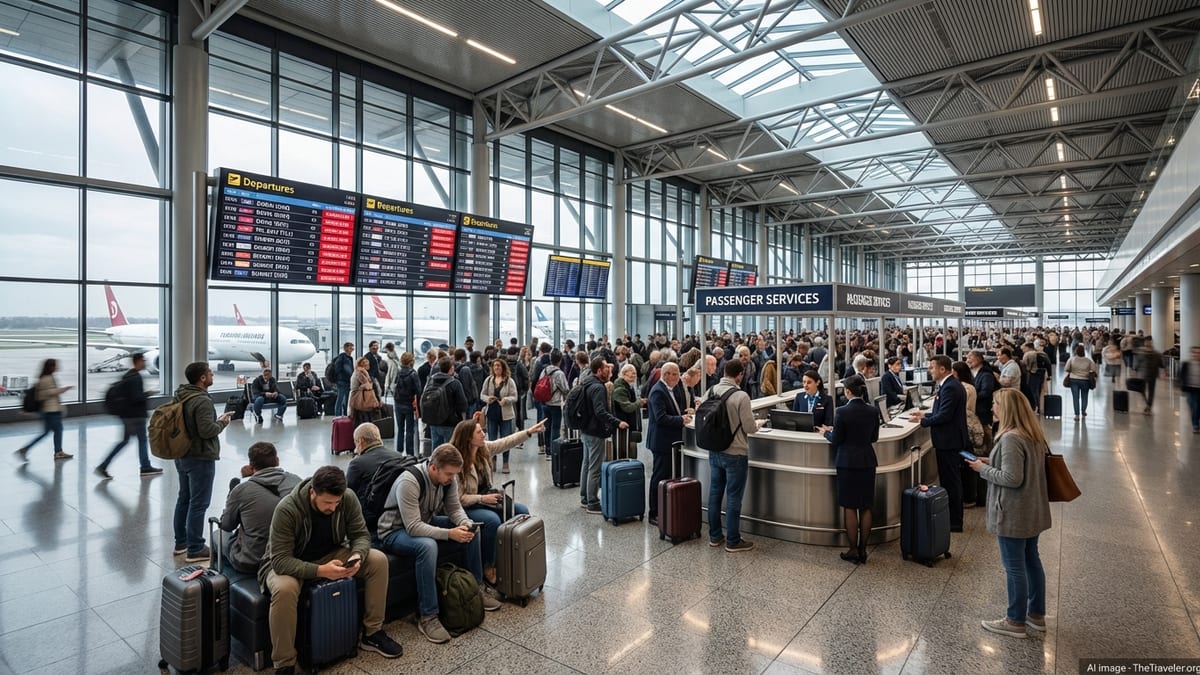
How the Iran conflict is changing official travel advice
According to publicly available UK government guidance, Iran is currently subject to a firm warning against all travel, with officials highlighting the risk of detention, regional military activity and the near-total absence of in-country consular support for British nationals. Recent updates in late July 2026 emphasise that the security situation remains unpredictable following strikes and retaliatory attacks across the region.
Travel advice has also tightened for several neighbouring and nearby states since the 2026 Iran war began in February, as reflected in parliamentary research briefings and foreign travel advisories. Guidance for parts of Iraq, Syria, Lebanon and other Middle Eastern countries points to a combination of heightened tension, cross-border attacks and the possibility of rapid escalation affecting civilian infrastructure.
For UK travellers, this means the picture can change at short notice, even in countries not directly involved in the fighting. Analysts note that travel advice may move from routine caution to “advise against all but essential travel” or higher if the conflict widens, and that such changes can have immediate consequences for holidays, flights and insurance.
Industry bodies and consumer advocates stress that travellers should not rely on assumptions based on previous trips to the region. Instead, they recommend checking the Foreign, Commonwealth and Development Office travel advice repeatedly from the moment of booking up to departure day, as well as following reputable news outlets for context.
Flight routes, airspace closures and knock-on delays
The airspace above Iran and parts of the Gulf has become one of the clearest pressure points for global travel. The European Union Aviation Safety Agency has urged airlines to avoid Iranian and Iraqi airspace in July 2026, citing the risk of military activity and limited warning for any escalation. Aviation media report that this advisory has triggered extensive rerouting of flights between Europe, Asia and the Middle East.
Coverage in specialist travel and aviation outlets indicates that key corridors across Iran and neighbouring states are now effectively off limits, with some Gulf airspace also subject to caution. Regional closures and restrictions around Bahrain, Kuwait, Qatar and others have forced airlines to divert via longer northern or southern routes, adding significant time and fuel costs to journeys.
For UK holidaymakers, the most immediate impact may be felt not in Iran itself, where commercial services are heavily curtailed, but on indirect routes to popular destinations further afield. Longer flight times, altered connections and last-minute schedule changes are being reported on some itineraries to South and East Asia, particularly those that previously used hubs in the Gulf.
Travel experts say passengers should expect evolving schedules, potential missed connections and occasional diversions while airspace advisories are in force. Checking airline apps, monitoring flight status on the day of departure and allowing extra time for connections are widely recommended steps for anyone travelling on routes that would normally cross the Middle East.
Package holidays, cancellations and your rights
The UK travel industry has been working to reassure customers that most holidays are still operating, even as the Iran war disrupts certain routes. Trade association ABTA has published guidance explaining that, in general, package holidays will continue unless the Foreign, Commonwealth and Development Office advises against travel to the specific destination or it becomes impossible for the provider to deliver the trip.
Consumer advice sites note that if official guidance changes after a holiday has been booked and moves to “advise against all travel” or “advise against all but essential travel” for your destination, tour operators will usually cancel affected packages and offer a refund or an alternative arrangement. In such cases, travellers are typically not expected to bear the financial loss themselves.
Independent travellers, who have booked flights and accommodation separately, face a more complex situation. Some airlines are offering fee-free date changes, rerouting or vouchers where flights are significantly disrupted by airspace closures or regional tension, but policies vary. Hotels and local operators may also apply their own terms for cancellations or no-shows, which might not align neatly with flight changes.
Specialists recommend that UK travellers document any formal changes to travel advice, keep written confirmation from airlines and tour companies of cancellations or amendments, and consider using payment methods that provide chargeback or additional protections if services are not delivered.
Insurance gaps and how to check your cover
The Iran war is also exposing gaps in some standard travel insurance policies. Many policies exclude claims arising from war, civil unrest or government-imposed airspace closures, particularly once a conflict is widely publicised. As a result, cover that might have seemed sufficient in peacetime may offer limited protection in the current environment.
Financial guidance sites report that where the Foreign, Commonwealth and Development Office advises against travel to a destination and a traveller still decides to go, most policies will not cover any incident that occurs during that trip. In these circumstances, insurers may also decline claims for cancellation if the traveller chooses not to travel against the advice, unless specific cancellation cover for official advisories has been purchased.
Policy wording can be highly technical, and experts urge travellers to check details around “war”, “terrorism”, “civil commotion” and “government intervention” clauses before departure. Particular attention should be paid to cover for missed connections, enforced rerouting, and additional accommodation costs if flights are delayed or diverted.
Travellers who are unsure about their position are often advised to contact their insurer before travel, explain their exact itinerary and request written clarification of what will and will not be covered in light of the current Middle East conflict.
Practical planning for UK travellers this summer and beyond
While the security and diplomatic situation around Iran remains fluid, travel specialists say there are practical steps that UK holidaymakers can take to manage risk. One consistent message across official guidance and industry advice is to stay flexible and informed, rather than assuming that existing bookings will remain untouched.
Before booking, travellers are encouraged to consider alternative routings that avoid the most volatile airspace, such as itineraries via European or non-Middle Eastern hubs where available. Those with the option of choosing fully refundable fares, flexible hotel rates and comprehensive cancellation terms may find it easier to adapt if the conflict escalates or advisories tighten.
For trips already booked, monitoring official travel advice in the weeks leading up to departure is essential. Where travel involves stopovers in or near affected regions, it may be helpful to speak with airlines and tour operators about contingency plans, including the possibility of rerouting through different hubs if restrictions expand.
Specialists also highlight the value of registering contact details with the appropriate consular services where schemes exist, keeping copies of key travel documents in digital form, and ensuring that family or friends in the UK know itineraries and booking references.