


Perched high above Sandown Bay on the eastern side of the Isle of Wight, Culver Down is the kind of place that appears in postcards and timelapse sunrise videos. Chalk cliffs plunge to quiet coves, seabirds circle the headland, and a lonely monument and cliff-top pub look out over the English Channel. Yet many visitors doing a quick loop of Shanklin, Sandown and Ryde still skip it. If you are planning an Isle of Wight trip and wondering whether Culver Down is worth the detour, it helps to know what is really there, how to get to it, and what kind of traveller it best rewards.
Where and What Exactly Is Culver Down?
Culver Down is a chalk headland and ridge that rises above the eastern end of Sandown Bay, a few minutes’ drive from Sandown and Bembridge. It forms the dramatic white cliff backdrop you see from Yaverland and Sandown beaches, and it marks the point where the long sandy bay curves round toward Whitecliff Bay and Bembridge Harbour. The down tops out at around 100 metres above sea level, high enough to give sweeping views but still low and rounded enough to feel approachable for casual walkers.
The area is a mix of open grassland, sheer chalk cliffs and pockets of scrub, much of it cared for by the National Trust as part of the wider Bembridge and Culver Downs landscape. To the visitor, that translates into unfenced grassy tops where you can wander on clear paths, a short circular walking trail, access to the Isle of Wight Coastal Path and a scattering of historical remains including the prominent Yarborough Monument and the remnants of Culver Battery, a coastal artillery position dating back to the early 20th century.
In practical terms, Culver Down is not a “resort” with shops and amusements but a wild headland with a car park, a pub, a few cottages and a handful of information boards. It is close enough to the island’s main east coast resorts that you can visit for an hour or two between attractions, yet it also links into longer walks that could fill half a day. Understanding that balance is key to deciding whether it deserves a spot on your itinerary.
For many visitors based in Sandown, Shanklin or Ryde, Culver Down is the nearest place to get what feels like open countryside and cliff-top drama without a long drive to the west of the island. If you look up from Sandown’s seafront and see the white cliffs catching the sunrise, you are looking at the seaward face of Culver Down.
The Views: What You Actually See From the Top
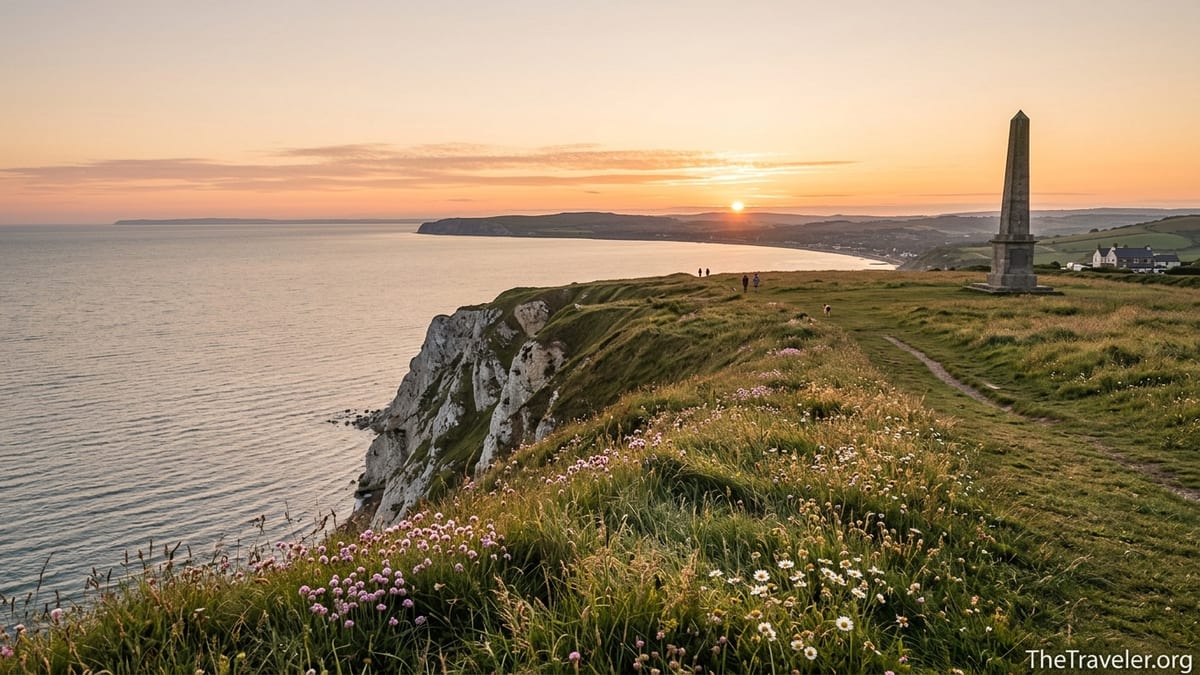
The main reason people come up to Culver Down is for the views, and in good weather they justify the effort on their own. Standing near the Yarborough Monument or outside the Culver Haven Inn, you get a near 360-degree panorama: to the west, the long curve of Sandown Bay running past Yaverland, Sandown and Shanklin; to the north and east, Bembridge Harbour and the Solent with the Hampshire coast beyond; and to the south, the open English Channel.
On a clear morning, especially around sunrise, the white cliffs glow pink and gold and the sweep of Sandown Bay is visible almost end to end. You can often pick out details such as the pier at Sandown, the seafront hotels, and the roller coasters at Sandown Pier or the beach huts at Yaverland. Looking the other way, the view over Bembridge Harbour reveals moored yachts, sandbanks and the low-lying coastline towards St Helens and Seaview. Ferries entering and leaving Portsmouth and the smaller Wightlink and Red Funnel vessels become moving points of interest in the distance.
Even in softer or hazier weather, the sense of height over the bay is striking. Families often drive up in the late afternoon just to let children run on the grass while adults sit on a bench with a takeaway coffee from Sandown. On blustery days, you may find kites and model gliders riding the uplift off the cliffs. Birdwatchers come looking for peregrine falcons and ravens that frequent the chalk face, while in spring the downland is dotted with cowslips and, later in summer, marbled white and chalkhill blue butterflies.
The quality of the views does depend heavily on visibility. On a murky day when low cloud hangs over the Channel, you will still feel the space and height but you may not get the postcard scenes. If your Isle of Wight stay is flexible, try to time a Culver Down visit for a clear morning or a calm evening when the light is slanting across the bay.
Walking and Outdoor Activities on Culver Down
For walkers, runners and casual strollers, Culver Down offers a good mix of very short routes and more substantial hikes. The National Trust promotes a circular “Circumnavigate Culver Down” trail of roughly 2.8 miles that loops around the headland from the Bembridge Fort car park, skirting the clifftop and returning along the ridge above Whitecliff Bay. Most reasonably fit adults complete it in 1.5 hours or so, with time for photo stops and reading the interpretation panels along the way.
Sections of the route join the Isle of Wight Coastal Path, so if you are tackling the longer coastal trail in stages you will pass through this area anyway. For example, the stretch between Bembridge and Sandown climbs up onto Culver Down from the east, then drops down again towards Yaverland and the seafront. Some walkers choose to start on Sandown seafront, climb steadily up past Yaverland and the holiday parks, loop around the headland and then descend through the woods behind Whitecliff Bay Holiday Park before returning by bus or taxi.
Terrain-wise, the paths across the top are mostly grass and chalk, with some short steeper sections where the trail dips and climbs along the clifftop. In dry summer weather, trainers are usually fine; in winter or after heavy rain, the chalk can become slippery and walking boots or at least shoes with decent grip are advisable. There are several kissing gates and narrow sections where dogs need to be on a lead, both because of grazing cattle and the proximity of the cliff edge.
Beyond walking, the down attracts dog owners from Sandown and Bembridge who drive up for a brisk circuit and a run in open space. Runners use the ridge as part of longer trail circuits, linking it with Brading Marshes or the old railway line between Sandown and Brading. Families sometimes combine a few hours on Sandown beach with a late-afternoon drive up to the down for an easy 20-minute stroll out and back from the car park to the clifftop viewpoint.
History, Fortifications and the Yarborough Monument
Culver Down is not just a pretty viewpoint; it has a layered human history that adds interest if you enjoy combining scenery with stories. The most visible landmark is the Yarborough Monument, a tall granite obelisk that can be seen for miles around. It commemorates Charles Anderson-Pelham, the Earl of Yarborough, a 19th-century landowner and yachting enthusiast who was an early commodore of what became the Royal Yacht Squadron at Cowes. Up close, the monument is impressive in scale and stands on a small grassy rise with wide views in all directions.
Hidden slightly away from the main car park area are the remains of Culver Battery, a coastal artillery position built in the early 1900s and active during both world wars. Interpretation boards explain how guns here worked alongside other nearby batteries at Yaverland and Redcliff to protect the eastern approaches to the Solent from enemy ships. The visible remnants now are low concrete structures, gun emplacements and magazine buildings partly overgrown by grass and scrub. They will appeal particularly to visitors with an interest in military history or children who enjoy exploring atmospheric ruins.
Just inland from the main ridge, Bembridge Fort sits on National Trust land as another reminder of the island’s defensive history. Built in the 1860s as part of a chain of coastal forts, it stands slightly back from the cliff edge and can be included in walks that loop across Bembridge and Culver Downs. At various times, the fort has been used for experiments and training; in recent years, access has been through pre-booked tours rather than casual drop-ins, so it is worth checking opening details before building it into your plans.
Earlier history is less immediately visible but is present in interpretation panels and local stories. In the 16th century, for instance, a French force attempted to move from a beachhead at Whitecliff Bay across Culver Down towards Sandown, only to be intercepted by local defenders. Standing on the open grassland, it is easy to imagine how the high ground would have made this a strategic point in any attempt to control the approaches to Sandown Bay and the eastern Solent.
Practicalities: Access, Parking, Pub and Facilities
One of the main questions for would-be visitors is how easy Culver Down is to reach. Most people arrive by car, driving up a steep, winding road from either the Sandown/Yaverland side or via Bembridge. The final stretch is narrow, with passing places and a few sharp bends, but it is suitable for standard vehicles and is regularly used by locals and delivery vans. Drivers not used to British country lanes may find it a little nerve-racking on busy summer days, so taking your time and using passing places courteously is essential.
At the top, there is a surfaced public car park close to Bembridge Fort and informal parking along the roadside near the Culver Haven Inn. At the time of writing, charges at some Isle of Wight coastal car parks tend to be a few pounds for a couple of hours, often payable by card or phone, but exact tariffs around Culver Down can change and may vary between National Trust and council-operated areas. If you are a National Trust member and park in a clearly signed National Trust car park, charging may be included in your membership, so keeping your membership card visible on the dashboard is advisable.
The Culver Haven Inn, perched almost on the cliff edge, is an old-style island pub known for its large beer garden and outstanding views across Sandown Bay and Bembridge Harbour. Inside, you can expect classic pub staples such as fish and chips, burgers and Sunday roasts, plus Isle of Wight ales and more mainstream lagers and ciders. Prices are in line with other popular island pubs: mains often sit in the low to mid-teens in pounds, and a pint of beer typically costs in the region of five pounds, varying by brand. In peak season, it is sensible to book for a full meal, especially at weekend lunchtimes, though many walkers simply drop in for a drink and a bag of crisps before heading back along the cliff.
Public toilets are limited on the down itself. Visitors often rely on facilities at the Culver Haven Inn when they are using the pub, or use toilets at the beach car parks in Yaverland and Sandown before driving up. There are benches dotted along some of the paths and near the monument, but otherwise amenities are sparse. This is part of Culver Down’s charm, but it requires a little forward planning: bring water, snacks and weather-appropriate clothing, as the exposed ridge can feel chilly even when the seafront below is warm.
Who Will Enjoy Culver Down Most?
Whether Culver Down is “worth it” depends very much on what you look for in a day out. If your ideal Isle of Wight break is all about arcades, busy promenades and easy-access cafés, you may find that a quick photo stop from the car park is enough. The down is not designed as a polished visitor attraction, and younger children who crave playgrounds or rides might tire of open grassland unless there is a clear plan for a short walk, a kite-flying session or an ice cream stop at the pub.
By contrast, travellers who prioritise scenery, photography, peace and walking will almost certainly find Culver Down rewarding. Amateur photographers regularly head up for sunrise or early evening shots over Sandown Bay; even a basic smartphone captures dramatic panoramas from the clifftop path. Birdwatchers, too, value the combination of chalk cliffs, coastal grassland and nearby marshes at Brading, which together support a good range of species from seabirds to raptors.
Active visitors using the island as an outdoor playground, whether for running, hiking or even paragliding elsewhere, appreciate the way Culver Down can be combined into a larger circuit. For example, a morning might involve a walk from Sandown seafront up to the down and back, followed by a swim from Yaverland beach and lunch at one of the cafés near the Dinosaur Isle museum. A longer day could link a loop across Brading Marshes Nature Reserve, Bembridge Windmill and Culver Down, which creates a varied route taking in wetland, woodland, farmland and coast.
Dog owners staying in the many pet-friendly holiday parks and cottages around Sandown, Bembridge and Brading often rate Culver Down as one of the best off-lead exercise spots in the area, thanks to its open space and relative quiet away from seafront traffic. However, the presence of livestock and the sheer drops along parts of the southern edge mean that recall training and leads are still important, so particularly energetic dogs may require careful management.
Seasonal Considerations and When to Visit
Culver Down is accessible year-round, but the experience changes significantly with the seasons. In late spring and early summer, the downland wildflowers and flying insects bring colour and life to the grassland, and temperatures on the exposed ridge are usually comfortable. These months are ideal for longer walks that link Culver Down with Bembridge or Brading, and for extended picnics near the monument or along the paths overlooking Whitecliff Bay.
High summer brings the highest visitor numbers, but even then, Culver Down rarely feels as busy as the seafronts below. Car parking can be tight on sunny weekend afternoons in July and August, especially during school holidays when the nearby holiday parks are full. In hot weather, the lack of shade becomes noticeable; hats, sunscreen and water are essential, and many visitors time their visit for earlier or later in the day to avoid the strongest sun.
Autumn and winter transform the mood of the headland. Short, sharp walks in a bright, cold wind can be exhilarating, and the low sun angles in October and November make for striking photographic conditions. However, the chalk and grass paths may become muddy and slippery after rain, and strong winds are more common. On stormy days it can be unsafe to approach the very edge of the cliffs, and visibility over the bay may be poor. If you are visiting the Isle of Wight in the off-season and plan a trip to Culver Down, watching the forecast and choosing a settled day is wise.
Time of day also affects the character of a visit. Early risers who drive up in time for sunrise from Sandown side often find the car park nearly empty and the light at its most beautiful. Evening visits are popular among locals who go up for a pre-dinner drink at the Culver Haven Inn, watching the lights come on along Sandown seafront below. Midday offers the most reliable light for views but can also mean stronger winds and more glare off the water, so some photographers prefer the softer edges of the day.
How Culver Down Compares to Other Isle of Wight Viewpoints
Visitors with limited time on the Isle of Wight often have to choose between several famous viewpoints and downland areas: Tennyson Down and the Needles in the west, St Boniface Down above Ventnor, and Culver Down in the east. Each offers its own take on chalk cliffs and sea views, so understanding how Culver Down differs can help you prioritise.
In terms of pure elevation and wildness, Tennyson Down and the Needles area tend to feel grander and more remote, with longer stretches of uninterrupted coast path. However, they also require more driving from the eastern resorts and can be busier in peak season, especially around the commercial centre at Alum Bay. Culver Down, by contrast, is much closer to the popular family bases of Sandown, Shanklin and Ryde, making it easier to fit into a half-day without crossing the island.
Compared with St Boniface Down above Ventnor, which is the island’s highest point and has extensive open heath and grazing, Culver Down feels more compact and immediately coastal, with the cliffs dropping dramatically into Sandown Bay and Whitecliff Bay just beneath you. The presence of the Yarborough Monument and the cliff-top pub adds a slightly more “settled” feel than the wilder tops near Ventnor, which some visitors appreciate for the mix of comfort and scenery.
If you enjoy combining viewpoints with specific attractions, Culver Down’s proximity to places like the Isle of Wight Zoo site, Dinosaur Isle, the sandy beaches of Sandown and Yaverland, and the quieter coves near Bembridge means you can build a day that moves easily between countryside and classic seaside. For travellers staying in the west of the island, Culver Down may not justify a special crosstown trip on a short break, but for anyone based in or near the east coast resorts, it is arguably the most rewarding high-level viewpoint within a short drive.
The Takeaway
So, is Culver Down worth visiting on the Isle of Wight? For most travellers who value scenery, a sense of space and a touch of history, the answer is yes. The headland’s combination of panoramic views over Sandown Bay and Bembridge Harbour, accessible walking routes, intriguing military remnants and a simple cliff-top pub delivers a rewarding few hours without requiring a full day or advanced hiking skills.
Culver Down will appeal particularly to visitors staying in Sandown, Shanklin, Bembridge or Ryde who want to see the coast from above as well as at beach level. It offers one of the island’s best quick escapes from busy promenades and arcades, turning a conventional seaside holiday into something a little more varied. Photographers, walkers, dog owners and anyone who enjoys big skies and open horizons will find plenty to like.
On the other hand, travellers who prefer attractions with extensive facilities, indoor exhibits or entertainment tailored to younger children may feel that Culver Down is better treated as a short scenic stop than a main destination. Its steep access roads, minimal shade and exposed paths also mean that it demands some preparation and may not suit everyone with mobility concerns or a dislike of heights.
In the end, Culver Down works best as a flexible ingredient in a wider Isle of Wight itinerary. Combine a morning walk on the headland with lunch at the Culver Haven Inn, or fit a sunset drive up from Sandown between a day at the beach and an evening meal in town. Approached in this way, the down becomes less a standalone attraction and more a vantage point that helps you understand the island’s coastline, history and character in a single sweeping view.
FAQ
Q1. How do I get to Culver Down from Sandown or Shanklin?
From Sandown, follow the coastal road towards Yaverland and then take the signed steep lane up to Culver Down, which winds its way to the car park and pub at the top. From Shanklin, drive through Sandown first or use inland routes via Brading and Bembridge, allowing a little extra time for narrow country roads and occasional farm traffic.
Q2. Is there public transport to Culver Down?
There is no regular bus service directly to the top of Culver Down. Most visitors using public transport travel by bus to Sandown, Yaverland or Bembridge and then walk up onto the down using sections of the Isle of Wight Coastal Path or local footpaths, which can add 30 to 60 minutes of uphill walking to the journey.
Q3. Is parking available and does it cost anything?
There is a surfaced car park near Bembridge Fort and additional roadside parking near the Culver Haven Inn. Charges vary depending on who operates the car park and may change from season to season, but expect to pay a few pounds for a short stay in line with other Isle of Wight coastal car parks, with some concessions or included parking for National Trust members where clearly indicated.
Q4. How difficult are the walks on Culver Down?
The main circular walks on Culver Down are generally classed as moderate. Paths are mostly grassy or chalky with some short, steeper sections and a few narrow points near the cliff edge. Most reasonably fit adults and older children manage them easily in good weather, but they may feel challenging for people with limited mobility, poor balance or a strong fear of heights, especially in wet or windy conditions.
Q5. Is Culver Down suitable for young children?
Culver Down can be enjoyable for families with young children provided that close supervision is maintained, particularly near the cliff edges and where livestock is grazing. There are no playgrounds or amusement facilities, so the appeal lies in space to run, views, kite flying and exploring the monument and old gun emplacements rather than structured activities or rides.
Q6. Can I bring my dog to Culver Down?
Yes, Culver Down is popular with dog walkers and offers plenty of open space. However, dogs should be kept on a lead or under close control because of grazing cattle, ground-nesting birds and the proximity of steep drops along the cliff top. Bringing water for your dog is also wise, as there are no dedicated dog fountains or taps away from the pub.
Q7. Is there food or drink available on Culver Down?
The main place to eat or drink on Culver Down is the Culver Haven Inn, a traditional pub next to the clifftop. It typically serves classic pub meals, snacks and drinks, and many visitors combine a short walk with a drink in the beer garden. Opening hours, menus and booking arrangements can change seasonally, so checking in advance during busy or quiet periods is sensible.
Q8. What should I wear or bring for a visit?
Culver Down is exposed and can feel cooler and windier than the towns and beaches below. Comfortable walking shoes with some grip, a windproof layer, sun protection in summer and a bottle of water are sensible basics. In cooler months or after rain, consider sturdier footwear such as walking boots, and be prepared for muddy or slippery sections on chalk paths.
Q9. Are there toilets or other facilities on site?
Facilities on Culver Down itself are limited. Public toilets are not always available at the car park, and many visitors rely on facilities at the Culver Haven Inn when using the pub, or at beach car parks in Yaverland and Sandown before or after their visit. There are benches and information boards, but no visitor centre, shops or formal picnic shelters on the headland.
Q10. Is Culver Down accessible for people with limited mobility?
Access to the very top by car allows some visitors with limited mobility to enjoy the views from near the car park or pub without long walks. However, most footpaths across the down involve uneven grass or chalk, gradients and gates, which can be difficult for wheelchairs or those who rely on walking aids. For visitors with mobility concerns, a short, carefully chosen visit by car on a calm, dry day is likely to be more comfortable than attempting the full circular walks.