


Hidden in the canyons of southeastern Utah, Grand Gulch inspires almost cult-like devotion among some hikers and a hard pass from others. It is remote, regulations are strict, and the terrain can be punishing. Yet for people who care deeply about desert solitude and Ancestral Puebloan history, this tributary network beneath Cedar Mesa is often described as one of the most powerful hiking experiences in the American Southwest. So is Grand Gulch really worth visiting, and for whom does it actually deliver on its reputation?
Get the latest updates straight to your inbox!
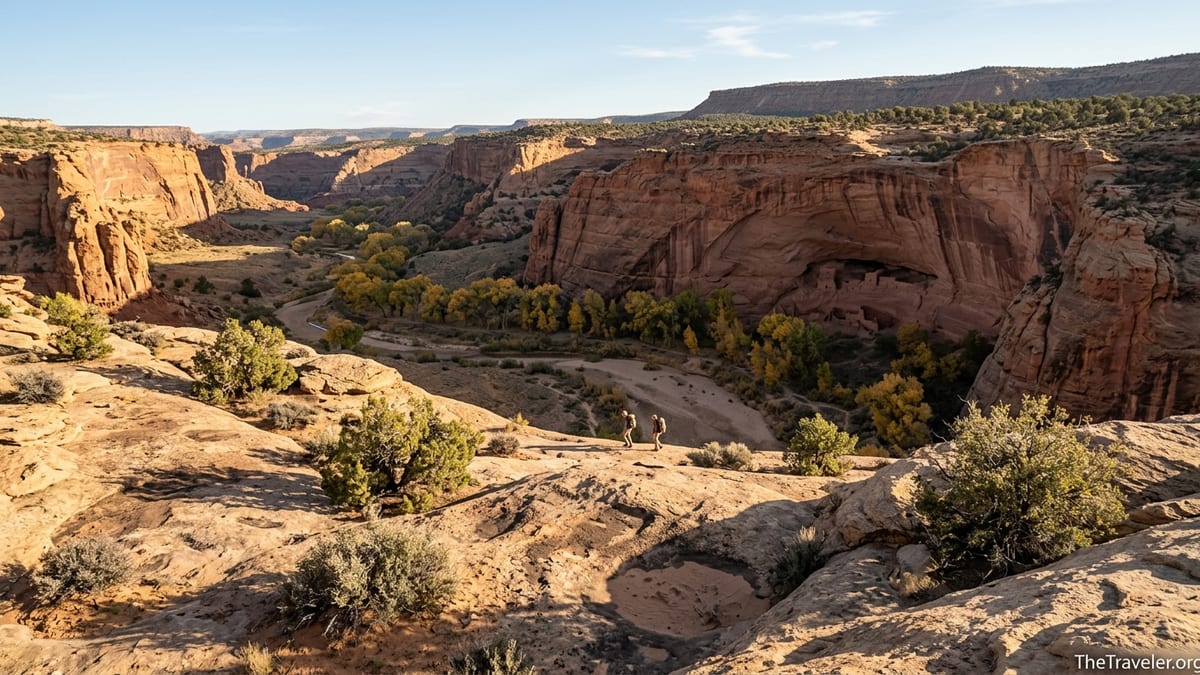
Where Grand Gulch Is and Why It Matters
Grand Gulch lies on the south side of Cedar Mesa in southeastern Utah, within Bears Ears National Monument and managed by the Bureau of Land Management. The nearest services are in small towns like Blanding, Bluff and Monticello, usually 60 to 90 minutes’ drive from the main trailheads. Reaching the canyon typically involves long stretches of paved state highways such as UT-95 or UT-261 followed by graded dirt roads that can turn slick after storms.
This isolation is a big part of the appeal. Unlike busier desert icons such as Zion’s Angels Landing or Arches’ Delicate Arch viewpoint, Grand Gulch has no shuttle system, no paved loop road and no snack bars. You step from your vehicle onto sandy, often unmarked backcountry trail and quickly commit to self-reliance. For hikers who feel that other parks have become too crowded or commercial, this back-to-basics atmosphere is exactly what they are seeking.
Grand Gulch is also culturally significant. Cedar Mesa and Grand Gulch have one of the highest concentrations of Ancestral Puebloan cliff dwellings, rock art panels and ancient granaries in the Four Corners region, with occupation in parts of the canyon dating back roughly 1,500 to 1,800 years. Visitors who have already toured more curated sites like Mesa Verde or Hovenweep often describe Grand Gulch as the next step: the same cultural story, but in a wilder setting where you encounter sites in situ, deep in the backcountry.
This combination of remoteness and archaeology explains why hikers and history lovers talk about Grand Gulch with an intensity that goes beyond a typical scenic hike. They are not just chasing views. They are looking for a quiet, difficult place that still feels like a genuine archaeological landscape rather than an open-air museum.
What Hikers Actually Experience on the Trail
For many modern visitors, the gateway to Grand Gulch is Kane Gulch Ranger Station, a small brick building off UT-261 that serves as the permit office and main trailhead. From here, the Kane Gulch trail drops about four miles and roughly 600 to 700 feet into the main channel of Grand Gulch. Hikers commonly describe this descent as their first taste of what the canyon will demand: sandy sections, slickrock ledges and occasional route-finding, but nothing technical for most reasonably fit hikers.
Once in the main canyon, the experience changes from straightforward trail hiking to weaving through a broad, sometimes brushy wash lined with towering sandstone walls. Spring travelers often report several shallow stream crossings and stretches of cottonwood shade, while fall hikers might encounter more dry gravel and long, exposed sections. Backpackers who have completed three or four day trips from Kane Gulch to Bullet Canyon or Collins Spring often compare the walking to a gentler version of Paria Canyon, but with more frequent archaeological stops.
Well-known sites such as Junction Ruin and Turkey Pen Ruin are typical waypoints on these routes. Hikers describe rounding a bend and suddenly seeing neat rows of ancient masonry tucked under a cliff, or faint handprints and geometric patterns painted high above the wash. Unlike roadside viewpoints where you see one or two roped-off rooms behind railings, here you might spend half an hour quietly walking a ledge, noticing corn cobs, potsherds or ancient plaster. Current guidance emphasizes not touching artifacts or entering structures, and rangers at Kane Gulch require overnight visitors to watch a “Visit with Respect” video before they go in.
For many, the standout memory is not one particular ruin but the rhythm of the days: hiking for an hour or two between sites, refilling water from a tannin-stained pool, then setting camp on a sandy bench under cottonwoods. Several recent backpackers have written trip reports describing waking to total silence broken only by canyon wrens, and not seeing another group for most of the day outside peak holiday periods.
Why History Lovers Rate Grand Gulch So Highly
For travelers focused on archaeology and Indigenous history, Grand Gulch’s draw is the density and variety of sites in a relatively compact canyon system. Along popular sections between Kane Gulch and Bullet Canyon, hikers can encounter multiple clusters of dwellings, granaries and rock art within a single day’s walking. Some ruins are small, single-room structures, while others are multi-level villages with kivas, defensive walls and storage rooms built into alcoves the size of small amphitheaters.
Unlike curated park exhibits with interpretive signs and viewing platforms, most Grand Gulch sites require careful observation. You might start by spotting a single shaped stone in a wall, then notice beam sockets, smoke stains and plastered interior surfaces. History-minded visitors often bring regional guidebooks that describe major sites in general terms without giving precise GPS coordinates, reflecting a deliberate balance between sharing knowledge and protecting sensitive locations.
Because many contemporary Pueblo and Navajo communities trace cultural connections to this landscape, Grand Gulch can also be an opportunity for learning about living cultures rather than only ancient history. Rangers and local tribal voices increasingly emphasize that these are not “abandoned ruins” but ancestral homes, with ongoing spiritual significance. Hikers who take time to attend talks in nearby visitor centers or read tribally produced materials beforehand often report a deeper, more reflective experience in the canyon.
For some, this emotional dimension is what makes the trip unforgettable. Travelers who have also visited well-known archaeological sites in Peru or the Mediterranean sometimes describe Grand Gulch as quieter but more intimate, because there are no big crowds or tour buses, just you, a few other backpackers and the echo of your footsteps under the cliffs.
The Challenges: Who Might Find Grand Gulch Overrated
Despite the glowing reviews, Grand Gulch is absolutely not for everyone. Some day hikers who are used to short, scenic trails in national parks with clear signage, restrooms at trailheads and frequent fellow visitors find the canyon harsh and underwhelming. The approach from Kane Gulch, for example, involves long stretches of similar-looking desert terrain. If you are expecting dramatic narrows like the Zion Narrows or bright red arches around every corner, you may feel the scenery is subtle rather than spectacular.
The physical demands can also be significant. Even modest itineraries can involve 8 to 10 miles of hiking per day on uneven surfaces, soft sand and broken slickrock, often carrying several liters of water and overnight gear. In late spring and early fall, daytime temperatures can climb into the 80s or 90s Fahrenheit, and shade is inconsistent. Hikers who are not acclimatized to desert conditions or who struggle with balance may find that simply moving through the canyon takes far more effort than expected.
Navigation and self-sufficiency are additional stress points. Trails are generally marked, but side paths to springs and ruins may not be obvious. Flash floods are less common here than in tight slot canyons, but heavy storms can still transform dry washes into dangerous channels. Rangers and experienced hikers repeatedly advise checking the weather, carrying paper maps or GPS devices, and being prepared for route changes if water sources are dry in a low-snow year.
Travelers who value comfort and convenience might also be frustrated by the overall logistics. There are no lodges or official campgrounds inside the canyon. Access roads can be rough after storms, and you may need to car-camp on nearby public lands or stay in basic motels in Blanding or Bluff, adding time to each day. Compared with driving into Bryce Canyon, snapping photos from paved overlooks and returning to a lodge with a restaurant, Grand Gulch feels spartan.
Permits, Costs and Practical Planning
Because of its cultural significance and fragile environment, Grand Gulch is regulated through a permit system. Day hiking in the Cedar Mesa and Grand Gulch area currently requires a day-use pass, usually purchased at self-serve trailhead kiosks or the Kane Gulch Ranger Station. Fees can change, but travelers should expect to pay a modest per-person or per-vehicle amount that is comparable to day-use fees at other BLM-managed destinations.
Overnight backpacking permits are more strictly limited. The Bureau of Land Management caps the number of backpackers per trailhead per day and charges a per-person, per-trip fee that is typically in the mid-teens in US dollars. During high-use seasons, roughly March through mid-June and September through October, permits for popular routes such as Kane Gulch to Bullet Canyon can sell out weeks in advance. Many experienced hikers now reserve their permits as soon as the booking window opens, then adjust dates later if needed rather than waiting.
In practical terms, this means prospective visitors should build permit research into their planning just as they would for overnight trips in the Grand Canyon or for sought-after trails like the Wave or Coyote Buttes. It is common for people to sketch out several possible itineraries, such as a three-day loop entering via Kane Gulch and exiting Bullet Canyon, or a longer traverse via Collins Spring, then see what is actually available when they log into the reservation system.
On-the-ground logistics also matter. Drinking water is available at Kane Gulch Ranger Station when it is staffed, typically in the main spring and fall seasons, but not always outside those periods. Inside the canyon, water sources vary year to year. Recent trip reports highlight reliable pools near major junctions and springs, but conditions change with snowpack and recent storms, so many hikers call the ranger station shortly before their trip to confirm where water is flowing and how much to carry between sources.
Best Time to Go and Safety Realities
Hikers who rate Grand Gulch most highly almost all have one thing in common: they visit in the right season. Spring, particularly late March through May, and fall, especially late September through October, are generally considered the best times for comfortable temperatures. Days are usually warm but not extreme, nights are cool, and small seeps and pools hold more water. Wildflowers and fresh cottonwood leaves in spring or golden foliage in fall add color to the otherwise muted desert palette.
Summer can be brutally hot, with daytime highs often exceeding 100 degrees Fahrenheit on exposed benches and ledges. Some very experienced, heat-adapted hikers still venture in then, but many others find the effort and risk out of proportion to the reward. Monsoon thunderstorms in late summer can also create flash-flood and lightning hazards, especially in narrower tributary canyons.
Winter travel has its admirers, particularly among those seeking maximum solitude and crisp air, but it introduces short daylight hours, the possibility of snow or ice on slickrock approaches and very cold nights. Hikers who attempt winter trips typically have extensive backcountry experience and carry extra insulation, traction devices and a flexible schedule in case access roads become impassable after storms.
Regardless of season, safety basics are non-negotiable. Rangers and seasoned visitors emphasize carrying more water than you think you need, packing sun protection in the form of wide-brimmed hats, long sleeves and high-SPF sunscreen, and knowing your own limits. Spotty cell service means that a satellite messenger or personal locator beacon is prudent for multi-day trips. Many traveling pairs and small groups make a point of leaving a detailed itinerary with someone in town or at home, including planned camps and exit dates.
How Grand Gulch Compares With Other Southwest Icons
One of the most common questions from first-time visitors is how Grand Gulch stacks up against other famous Southwest hiking destinations. The short answer is that it offers a more immersive, low-key version of the cultural and canyon experience found in busier parks. Compared with Mesa Verde, where most people visit cliff dwellings on ranger-led tours via paved roads, Grand Gulch demands that you earn each site with miles on foot and carry everything you need on your back.
Relative to slot canyons such as Buckskin Gulch or the Narrows in Zion, Grand Gulch is broader and less visually dramatic in terms of sheer rock walls closing overhead. Instead, its drama comes from the interplay of wide, echoing alcoves, towering amphitheaters and the small, deliberate human footprints within them. Hikers who crave sculpted narrows, chest-deep water and obstacle-filled passages might find Grand Gulch tame, while those who prefer steady walking with frequent cultural stops often find it ideal.
When compared with other remote archaeological backcountries like Chaco Culture’s outlying sites or lesser-known canyons in Bears Ears and Grand Staircase–Escalante, Grand Gulch typically wins praise for its combination of manageable logistics and density of visible remains. It is far from easy, but it is not as technically demanding as true off-trail exploration in places with minimal established routes. That balance is part of why some guidebook authors and veteran hikers continue to rank it among the premier multi-day cultural treks in the region.
Ultimately, whether it is “better” than any of these places depends on what you value. If your dream is to wander quiet canyons, examine thousand-year-old masonry in natural light and fall asleep under a streak of stars with no artificial glow on the horizon, Grand Gulch is more likely to feel like a once-in-a-lifetime journey than a simple hike.
The Takeaway
So, is Grand Gulch worth visiting? For casual park-goers looking for a quick viewpoint and a comfortable hotel, probably not. The canyon requires advance permits, long drives on lonely roads, solid navigation skills and a tolerance for dust, sweat and uncertainty about where the next water source lies. The scenery is subtle rather than postcard-perfect, and the amenities are minimal.
For committed hikers and history lovers, however, Grand Gulch can be extraordinary. The chance to move quietly through a canyon system dense with Ancestral Puebloan dwellings and rock art, to sit beneath an alcove at dusk as swallows circle high above sandstone walls, and to experience a level of solitude that is increasingly rare in the American West, is what brings many people back again and again. Those who arrive prepared, respectful and realistic about the challenges are the ones who most often describe the trip as transformative.
If you are considering Grand Gulch, the deciding factors should be your comfort with backcountry travel, your willingness to plan carefully around permits and seasons, and your genuine interest in the cultural story written into these canyon walls. If those boxes are ticked, the odds are high that you will come away saying that, yes, Grand Gulch was absolutely worth the effort.
FAQ
Q1: How difficult is hiking in Grand Gulch for a reasonably fit person?
Most popular routes are non-technical but involve long days on uneven terrain, frequent sand walking and modest elevation changes. If you are comfortable hiking 8 to 10 miles with a loaded pack in desert conditions, you should find it challenging but manageable.
Q2: Do I really need a permit to hike Grand Gulch?
Yes. Day use in the Cedar Mesa and Grand Gulch area requires a pass, and overnight backpacking requires a limited quota permit. These are managed by the Bureau of Land Management and are checked regularly during busy seasons.
Q3: How far in advance should I apply for an overnight permit?
For spring and fall trips, many hikers try to secure permits as soon as the booking window opens, often several months in advance. Shoulder-season or weekday trips may be easier to obtain, but it is still wise to plan early.
Q4: What is the best season to visit Grand Gulch?
Most experienced visitors recommend late March through May and late September through October. These windows usually offer moderate temperatures, more reliable water sources and fewer summer thunderstorm risks.
Q5: Can I visit Grand Gulch as a day trip instead of backpacking?
Yes. Many travelers hike from Kane Gulch Ranger Station down to the junction with Grand Gulch, visit a major ruin such as Junction Ruin and return the same day. It makes for a long but rewarding outing without carrying overnight gear.
Q6: Are guided trips available, or do I have to go independently?
A number of regional outfitters based in nearby Utah and Colorado towns offer guided backpacking and educational trips in the Cedar Mesa area, including Grand Gulch. Going with a guide can help with route choice, safety and cultural context, especially for first-time desert backpackers.
Q7: What kind of gear is essential for Grand Gulch?
Beyond standard backpacking equipment, you will need strong sun protection, extra water-carrying capacity, sturdy footwear for sand and slickrock, navigation tools such as maps and GPS, and a reliable water treatment method for springs and pools.
Q8: Is Grand Gulch suitable for children or beginner hikers?
Short day hikes with older, experienced children may be possible, but the remoteness, heat and lack of facilities make most multi-day routes better suited to adults or families with substantial backcountry experience. Beginners typically find more suitable starter hikes in developed national parks.
Q9: How should I behave around archaeological sites in the canyon?
Visitors are asked to follow “Visit with Respect” principles: stay on durable surfaces near sites, do not enter rooms, do not touch walls or rock art, leave artifacts exactly where they lie and avoid eating or camping in alcoves with cultural features.
Q10: What makes Grand Gulch different from other canyon hikes in Utah?
Grand Gulch combines extended backcountry hiking with an exceptional concentration of Ancestral Puebloan sites in a relatively undeveloped setting. The experience is less about dramatic slot narrows or roadside viewpoints and more about slow, immersive travel through a living cultural landscape.