


More news on this day
U.S. travelers heading to Mexico are being urged to rethink what they put in their suitcases after a new alert from the U.S. Embassy in Mexico highlighted three categories of items that should not be packed due to legal, customs and security concerns.
Get the latest news straight to your inbox!
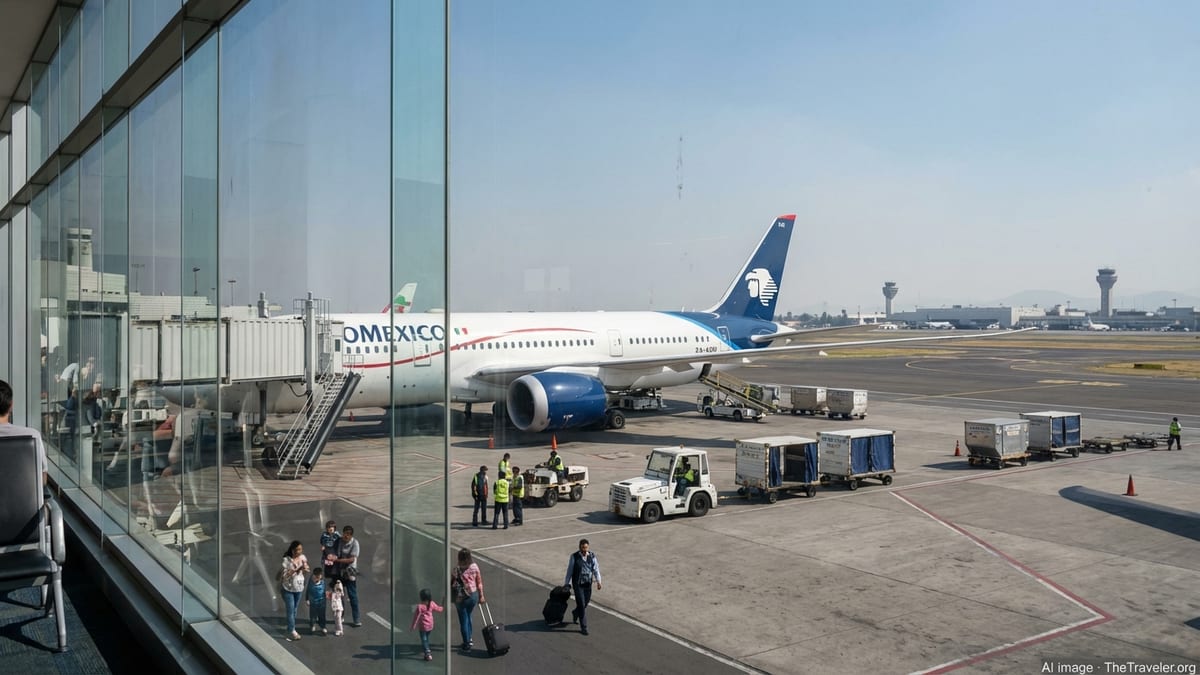
New Embassy Alert Targets Problem Items In Luggage
The latest alert, circulated in early June by the U.S. Embassy in Mexico alongside broader safety messaging for visitors, places renewed emphasis on what travelers bring through airports and land borders. While overall travel to Mexico remains robust, publicly available information shows a growing focus on preventing baggage issues that can trigger secondary inspections, confiscations or even legal trouble.
The advisory does not change existing Mexican law or U.S. security rules, but it consolidates several long standing warnings into a clearer list aimed at casual vacationers and World Cup spectators. It singles out three types of items that consistently generate problems at Mexican ports of entry and during exit screening for flights back to the United States.
Travel analysts note that the move comes as Mexico prepares for heavy international traffic linked to the 2026 World Cup and the summer holiday season. With large numbers of first time visitors expected, officials have been publishing more explicit reminders about what should and should not be in checked and carry on bags.
The alert urges travelers to check airline, Transportation Security Administration and Mexican customs rules before departure, but it also underlines that some items are better left out of luggage altogether, regardless of whether they appear to be technically permitted.
Item 1: Firearms, Ammunition And Tactical Gear
At the top of the Embassy’s list are firearms, ammunition and related tactical gear. Mexico has some of the strictest gun laws in the region, and publicly available Mexican government guidance states that foreign visitors who enter the country with undeclared weapons or ammunition can face arrest, detention and prosecution, even if the items were legally purchased and registered in the United States.
The alert reiterates that travelers must not pack any type of gun, handgun parts, ammunition, high capacity magazines or military style accessories in checked or carry on baggage when heading to Mexico. Replica weapons, realistic looking toy guns and certain forms of tactical equipment can also trigger significant scrutiny at checkpoints, especially in airports serving high profile events.
Reports indicate that some detained U.S. citizens in recent years had only a few forgotten rounds of ammunition in luggage or vehicle interiors. The new messaging therefore stresses that travelers should thoroughly inspect backpacks, camera bags and car compartments that may once have held hunting or shooting gear before departing for the border.
Security specialists advise that even law enforcement officers and licensed firearm owners traveling off duty should treat Mexico trips as strictly no weapon journeys. The alert frames this not as a theoretical concern, but as a practical step to avoid lengthy legal complications that can derail a vacation or business visit.
Item 2: Certain Prescription Drugs And Controlled Substances
The second category highlighted in the alert concerns medications and chemical substances that are legal or easily available in the United States but regulated more tightly in Mexico. According to published coverage summarizing Mexican customs rules, travelers have repeatedly run into problems when carrying strong painkillers, sedatives and attention deficit medications without proper documentation.
The Embassy guidance warns that visitors should not pack loose pills, unlabeled prescription bottles or large quantities of medicines, especially those that can be classified as controlled substances under Mexican law. Medications purchased online or from foreign pharmacies that do not list the traveler’s name can be especially problematic if subjected to inspection.
Public information from Mexican authorities notes that some active ingredients common in U.S. prescriptions require local medical authorization to be imported legally. Travelers who arrive with significant amounts of such substances may be questioned about potential resale or misuse, and items can be seized. For this reason, the alert urges visitors to carry only the amount reasonably needed for the trip, in original pharmacy containers, along with printed prescriptions.
Experts also point out that certain over the counter products in the United States may fall into a prescription or restricted category in Mexico. The new messaging therefore encourages travelers who rely on specialized medications to consult healthcare providers and review cross border rules in advance, rather than assuming that U.S. norms automatically apply.
Item 3: Fresh Foods, Animal Products And Agricultural Goods
The third group of items singled out by the alert involves food, plants and animal products. Mexican customs regulations, similar to those in the United States, impose strict controls on what agricultural goods can cross the border. Recent public guidance from Mexican and U.S. agencies highlights frequent seizures of fresh fruit, homemade meat products and unprocessed dairy carried by travelers in personal luggage.
The Embassy message cautions visitors not to pack fresh produce, homemade sausages, cured meats, cheeses, unpasteurized dairy or unpackaged snacks made from animal products. These items may harbor pests or diseases that threaten local agriculture, and they are often confiscated during routine baggage screening. In some cases, travelers can face fines if prohibited items are discovered after they declared that they were not carrying restricted foods.
Processed, commercially packaged foods with clear ingredient lists are less likely to present problems, but the alert notes that even sealed products can be stopped if they appear to violate animal health rules. Travelers are urged to verify whether a particular food item is allowed before bringing it across the border and to keep in mind that regulations can differ for air and land arrivals.
Officials in both countries have long emphasized that agricultural controls are not merely bureaucratic obstacles but an essential part of protecting crops and livestock. The renewed focus from the U.S. Embassy is intended to steer would be visitors away from practices such as packing large quantities of homemade goods for relatives, which continue to generate delays at inspection points.
Rising Travel Volumes Put Spotlight On Compliance
The timing of the alert coincides with a period of heightened attention on Mexico travel safety. The U.S. Department of State currently lists Mexico overall at a level that calls for increased caution, with individual states assigned ratings that range from normal precautions to do not travel. Separate security alerts in recent months have addressed organized crime incidents, temporary curfews for government personnel and shelter in place guidance in specific regions.
While those advisories focus on where and when to travel, the new luggage warning seeks to reduce avoidable complications for the millions of visitors who decide to go ahead with their trips. Travel industry observers describe it as an attempt to prevent minor customs or security infractions from escalating during a period when airports and land crossings are already under pressure from high passenger volumes.
Airlines and tour operators have also been reinforcing pre flight reminders about baggage contents, particularly for groups heading to host cities for major sporting events. According to reporting on recent operations, local authorities in Mexico have increased random inspections around key transport hubs, making it more likely that any prohibited item in a suitcase will be detected.
For individual travelers, the underlying message is that careful packing can be as important as itinerary planning when it comes to staying out of trouble abroad. The Embassy’s emphasis on three specific categories of items reflects areas where visitors have historically underestimated the potential consequences of noncompliance.
What Travelers Should Do Before They Fly
In light of the alert, travel planners recommend a deliberate pre departure checklist. Travelers are encouraged to empty bags that have been used for shooting sports, hunting or law enforcement work, looking for forgotten ammunition or accessories. Prescriptions should be reviewed, with only essential medications packed in their original containers, and travelers should obtain written documentation in case customs officers request clarification.
Those considering bringing food or gifts are advised to favor commercially packaged products that meet both U.S. and Mexican rules, and to avoid fresh or homemade animal based items altogether. Declaring any questionable goods on customs forms, rather than attempting to hide them, remains critical for avoiding penalties.
Publicly available State Department resources, Mexican customs information and airline baggage policies all offer additional detail on what can legally cross the border, but the Embassy’s core message is concise. By leaving firearms and tactical gear at home, tightly controlling prescription and controlled medications, and avoiding risky agricultural products, U.S. visitors can significantly reduce the chance of a vacation interrupted by inspections or legal problems.
As Mexico prepares for another busy travel season, the renewed focus on smart packing underscores a broader shift toward shared responsibility. Travelers are being reminded that personal choices at the packing stage can have an outsized impact on how smoothly their trip unfolds once they arrive at the border or airport checkpoint.