


If you have researched hotels for a trip to Europe or Asia in the last few years, there is a good chance an Ibis property has appeared near the top of your search results. The red ibis logo is now a familiar sight near train stations, airports and ring roads worldwide, and many US travelers wonder whether this French-born budget brand is actually a smart choice or just another no-frills option. The answer depends on what you value most: price, predictability, design, or perks.
Get the latest updates straight to your inbox!
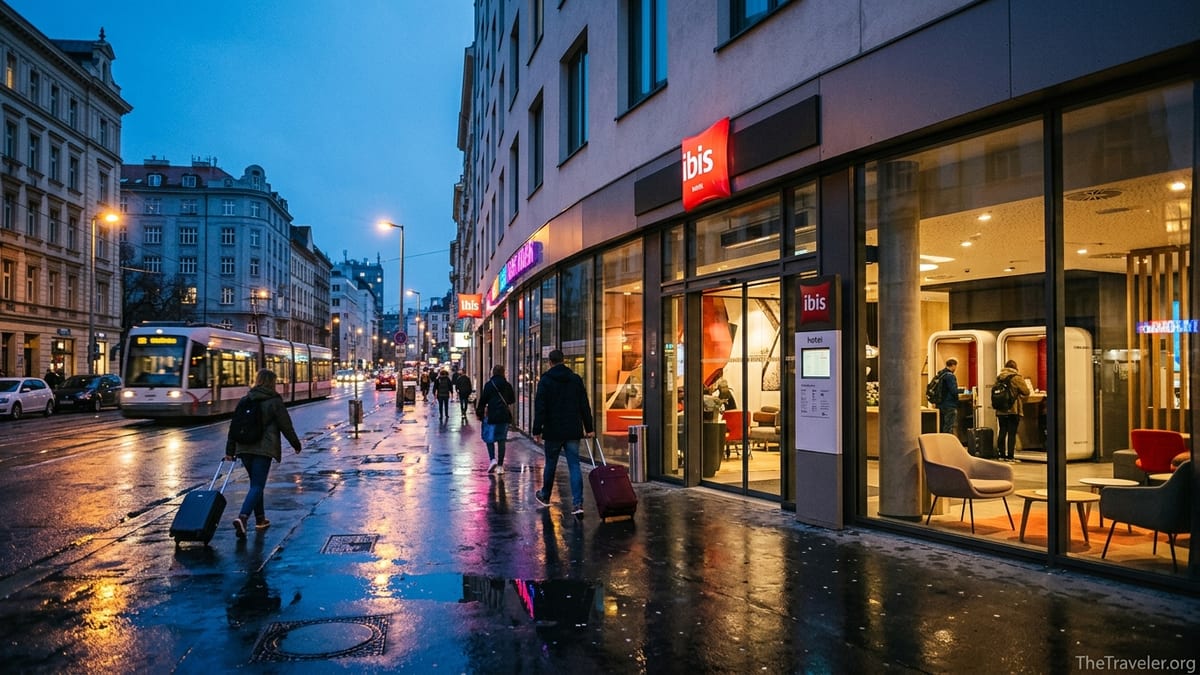
Understanding the Ibis Family: Ibis, Ibis Styles and Ibis Budget
Ibis is part of Accor, one of the world’s largest hotel groups, which operates more than 45 brands from luxury to economy across over 100 countries. Within that portfolio, Ibis is the flagship economy name, and it now exists as a “family” of three related brands: classic Ibis, the more design-focused Ibis Styles, and the bare‑bones Ibis Budget. All three aim to keep rates accessible while offering a cleaner and more professional experience than many independent low-cost properties in busy city hubs.
The standard Ibis hotels target travelers who want a reliable room, comfortable bed and 24‑hour reception without paying midscale prices. Most properties use a similar room layout, with compact but functional bathrooms, a work desk, power outlets near the bed and simple modern decor. In central European cities, it is common to see nightly rates around 90 to 150 US dollars for a standard Ibis outside peak trade shows or major holidays, which usually undercuts nearby full‑service four‑star hotels by a noticeable margin.
Ibis Styles takes the base Ibis formula and adds playful design, brighter colors and a more lifestyle feel. Many Ibis Styles properties were previously independent hotels that have been redesigned under a common concept, so rooms vary more in layout and personality than at a classic Ibis. A frequent selling point is that breakfast and Wi‑Fi are often bundled into the rate, which can make Ibis Styles good value in cities where hotel breakfasts regularly run 20 to 30 dollars per person at larger chains.
Ibis Budget is the most stripped‑back option in the family, intended as a “super‑economy” choice. Rooms are smaller, storage is minimal, and bathrooms might feel closer to a cruise‑cabin pod than a classic hotel, with fixed soap dispensers and basic fittings. In return, rates can drop significantly. For example, in some French highway locations or secondary German cities, it is still possible to see advance purchase rates near 50 to 70 dollars a night outside major events, which often undercuts local independent motels.
What You Actually Get for the Money
On paper, Ibis positions itself around three core promises: a good bed, a practical bathroom and reliable services like Wi‑Fi and 24‑hour reception in most locations. In practice, that means you should expect a room that is small but generally well maintained, with soundproofing that is often better than similarly priced independents. Many travelers notice that even at busy airport locations, the double‑glazed windows and standardized construction keep runway or traffic noise surprisingly low compared with older properties next door.
Take a typical Ibis near Paris Gare de Lyon or Berlin Hauptbahnhof. A standard double room might run around 120 to 170 dollars on a regular weekday in shoulder season. For that, you are likely to get a firm “Sweet Bed by Ibis” mattress, decent blackout curtains, a compact desk, fast Wi‑Fi and a bathroom with a walk‑in shower. There will rarely be bathrobes, premium toiletries or room service, but the basics work: consistent hot water, stable water pressure and enough hooks and shelves to function for a few nights.
At Ibis Styles, the value often comes from inclusions rather than room size. For instance, at many Ibis Styles in European capitals, a rate near 140 dollars might include a buffet breakfast with breads, cereals, yogurt, fruit and usually some hot items, plus Wi‑Fi and sometimes family‑friendly touches like play corners in the lobby. Families heading to Disneyland Paris often choose Ibis Styles Val d’Europe for this reason, accepting slightly smaller rooms in exchange for free breakfast for the group compared with paying extra at higher‑end neighbors.
Ibis Budget reduces both services and finishes to keep rates low. You might find a molded plastic shower unit, a simple stool instead of a full desk, and open shelving rather than a closed wardrobe. Daily housekeeping can be more limited, and some properties have reception that closes overnight in favor of key codes. That tradeoff can still be attractive in expensive markets: travelers driving through Switzerland or staying one night near Zurich Airport often pick Ibis Budget over a roadside independent because they know the bed and shower will be adequate even if the space feels tight.
Real‑World Price Comparisons Across Destinations
To understand whether Ibis is worth choosing, it helps to compare it with what else is on offer in specific cities. In Paris, where Accor has a large footprint, Ibis is one of the most visible budget chains. Recent overviews of hotel chains in the city show dozens of Ibis and Ibis Styles properties spread across central and suburban districts, ranging from locations near major stations like Gare du Nord to business parks on the outskirts. In practical terms, that means you can often find an Ibis within a 10‑minute walk of the metro almost anywhere around the ring road.
On a typical autumn week in Paris, a standard Ibis in a central but not postcard‑perfect neighborhood might price around 160 dollars per night, while an Ibis Budget on the edge of the city could sit near 110 dollars. A nearby four‑star chain such as Mercure or a US‑branded property may easily reach 250 dollars or more on the same date. In that context, a couple visiting for three nights could save several hundred dollars by accepting a simpler room and fewer extras at an Ibis, especially if they plan to spend most of their time exploring rather than using hotel facilities.
In Singapore, Ibis properties have become a go‑to for travelers who find many central hotels too costly but do not want to gamble on very cheap guesthouses. Around Bugis or Bencoolen, for example, Ibis hotels often sit in the 120 to 170 dollar range depending on demand, compared with 200 dollars and up at well‑known international midscale chains nearby. The rooms are compact, but guests appreciate having a known brand with straightforward check‑in, on‑site dining and consistent cleanliness after a long‑haul flight.
In Japan, where efficient business hotels already dominate the budget segment, Ibis and Ibis Styles compete less on price and more on familiarity for international guests. In Tokyo Bay, for instance, families heading to the Disney parks sometimes choose Ibis Styles Tokyo Bay because the rate may sit comfortably below nearby full‑service resorts while still providing shuttle buses, breakfast options and kid‑friendly decor. The nightly cost might not be dramatically cheaper than domestic business chains, but English‑friendly signage and familiarity with Accor’s standards can be reassuring for first‑time visitors.
Comfort, Design and Service: What It Feels Like to Stay
If you have never stayed in a European or Asian economy chain, the first impression of an Ibis room may be how efficiently it uses space. Classic Ibis rooms tend to be around 150 to 200 square feet, with most furniture pushed against the walls. The bed usually dominates the room, with built‑in reading lights and a narrow ledge or shelf standing in for a full bedside table. There is often just enough space to open a medium suitcase on the floor. The design is intentional: the brand prioritizes sleep comfort and soundproofing ahead of extra seating or decorative touches.
Ibis Styles, by contrast, leans into themed decor and more playful layouts. One hotel might feature bold murals referencing local street art, while another uses vintage travel posters or seaside colors. Families often find these properties more inviting, especially when kids’ areas appear near reception or in the breakfast room. Because many Ibis Styles hotels occupy converted buildings, rooms can range from cozy attic spaces to surprisingly large corner units, so reading recent guest photos can help set expectations before you book.
Service levels at Ibis properties are generally friendly but unpretentious. Staff are trained to manage high guest volumes efficiently rather than offer extensive concierge services. At an Ibis near a major airport, for example, check‑in counters may be configured as open pods where staff circulate with tablets, prioritizing quick key handovers over formal desk interactions. Housekeeping tends to focus on cleanliness and linen changes, with fewer decorative flourishes. If you call down for an extra towel or pillow, you will normally get it, but do not expect turndown service or elaborate welcome amenities.
Public spaces vary by sub‑brand. Many newer Ibis hotels feature a casual lobby bar that doubles as a co‑working area, with power outlets and coffee machines aimed at remote workers and solo travelers. Ibis Styles properties might add board games, bright seating and children’s corners, while Ibis Budget often limits public space to a compact reception area and breakfast room. If you value somewhere comfortable to sit with a laptop in the evenings, the difference between Ibis and Ibis Budget can be meaningful.
Loyalty, Flexibility and When Ibis Makes the Most Sense
Because Ibis belongs to Accor, stays can earn and redeem points in the company’s ALL loyalty program on most publicly available rates. This can be attractive for frequent travelers who combine occasional budget stays with higher‑end trips at brands like Novotel, Pullman or Sofitel. While economy brands typically earn points at a lower rate than premium properties, the ability to accumulate credit even on a 90 dollar airport stay can help inch you closer to status thresholds that unlock late check‑out or drink vouchers.
Accor also sells paid discount products and regional passes that often include Ibis properties. For example, some travelers focused on Europe or Southeast Asia buy membership products that grant a fixed percentage discount at Ibis and other participating brands, plus bonus nights or welcome drinks. If you anticipate several Ibis stays in a single year, especially around major hubs like Paris, Bangkok or Berlin, running the numbers on these memberships can be worthwhile, keeping in mind that not all corporate or promotional rates qualify for every benefit.
Ibis tends to make the most sense in a few common scenarios. The first is when you value location over luxury: being directly opposite a central train station, a short shuttle ride from an airport, or within a quick tram journey of a conference venue. In those cases, Ibis often offers one of the lowest rates in the immediate area while still delivering a professional, branded experience. The second is when you need predictability in a foreign country: signage in multiple languages, 24‑hour front desk, and a clear escalation path if something goes wrong.
Where Ibis is less compelling is when you have time to research and are comfortable with smaller independent hotels or guesthouses. In some cities, a local three‑star property might charge a similar rate to Ibis while providing larger rooms, more interesting decor and a stronger sense of place. If you prefer boutique charm, slow breakfasts and personalized recommendations from the owner, you may leave an Ibis stay feeling that, while nothing was wrong, it could have been anywhere in the world.
Limitations, Tradeoffs and Who Should Probably Look Elsewhere
No matter which sub‑brand you choose, Ibis is not designed for travelers seeking resort‑style leisure stays. Pools, spas, extensive fitness centers and room service are the exception rather than the norm. If your ideal city break includes relaxing by a rooftop pool, lounging in a spacious lobby with a cocktail, or ordering late‑night meals to your room, you will likely find Ibis underwhelming. In those cases, moving up to midscale brands or specialized lifestyle hotels may be worth the extra nightly cost.
The compact room size can also be a significant drawback for certain travelers. Two people with large checked suitcases may find it challenging to fully unpack in a standard Ibis, especially on longer stays. At Ibis Budget, where beds can be aligned against walls and bathrooms are tighter still, anyone with mobility issues or a preference for generous personal space may feel cramped. Families with young children often do better at Ibis Styles, which more frequently offers family rooms or connecting units, but even then space is not comparable to an apartment rental.
Another common complaint is that while Ibis rooms are functional, they rarely feel characterful. If part of your enjoyment of travel comes from staying in a property that reflects local architecture and culture, an international chain can seem bland. An Ibis near the Colosseum in Rome, for example, will likely share the same furniture line and art style as a sibling in Warsaw or Kuala Lumpur, aside from a few regional touches. For some travelers this consistency is comforting; for others it makes the stay feel interchangeable.
Price surges during high‑demand periods can also catch guests off guard. Because Ibis uses dynamic pricing similar to airlines, rates can climb sharply when events are in town. It is not unusual to see an airport Ibis double or even triple its usual rate during a major trade fair or festival, leading some travelers to question the value when a simple room approaches 250 dollars a night. Booking early and checking flexible dates can help, but it is worth remembering that “budget brand” does not always equal “cheap night” in very busy markets.
The Takeaway
So, is Ibis worth choosing for your next trip? For many travelers, the answer is yes, provided you understand exactly what you are buying. At its best, Ibis delivers clean, quiet rooms in extremely convenient locations at a price that undercuts full‑service hotels, backed by the resources of a major global group. For solo travelers, business guests on short stays and couples who prioritize exploring the city over lingering in the hotel, that combination can be hard to beat.
Classic Ibis will suit most value‑conscious travelers who want comfort without extras. Ibis Styles works well for families and anyone who appreciates inclusive breakfast and a bit more personality in the decor. Ibis Budget serves those who simply need the cheapest recognizable brand bed for a night on the road and are willing to accept very compact rooms to get it. In all cases, setting expectations correctly is crucial; approach an Ibis expecting a solid economy hotel, not a mini‑resort, and you are more likely to leave satisfied.
If you are planning a once‑in‑a‑lifetime honeymoon, a slow luxury trip or a long stay where space and amenities matter greatly, you may want to invest in a higher‑tier brand or a thoughtfully chosen independent hotel. But if your priority is a safe, predictable base that respects your budget in busy cities from Paris to Singapore, keeping Ibis on your shortlist is a practical and often rewarding choice.
FAQ
Q1. What is the main difference between Ibis, Ibis Styles and Ibis Budget?
Ibis is the classic economy option, Ibis Styles adds more design and often breakfast included, and Ibis Budget is the most basic, stripped‑down version aimed at lowest possible rates.
Q2. Are Ibis hotels usually cheaper than other chain hotels?
They are often priced below midscale brands like Novotel or Hilton Garden Inn in the same area, though dynamic pricing means rates can rise sharply during busy events.
Q3. Is breakfast included at Ibis hotels?
At many Ibis and Ibis Budget properties, breakfast is optional and charged separately, while Ibis Styles more commonly includes a buffet breakfast in the room rate.
Q4. Are Ibis rooms suitable for families?
Families can fit in certain Ibis and Ibis Budget rooms, but space is tight. Ibis Styles is usually the better choice, offering family rooms or sofa beds and kid‑friendly spaces.
Q5. How reliable is the Wi‑Fi at Ibis properties?
Wi‑Fi is generally included and intended to be reliable enough for email, streaming and video calls, although speeds and stability can vary between older and newer hotels.
Q6. Can I earn loyalty points when staying at Ibis?
Yes, most rates at Ibis, Ibis Styles and Ibis Budget earn points in Accor’s ALL program, though heavily discounted or promotional rates may sometimes be excluded.
Q7. Are Ibis hotels safe for solo travelers?
Most Ibis locations offer 24‑hour reception, controlled access to guest floors and staffed lobbies, making them a popular option for solo travelers who value predictable security.
Q8. How far in advance should I book an Ibis to get a good price?
Booking a few weeks to a few months ahead usually secures better rates, especially around major events when last‑minute prices at central and airport Ibis hotels can spike.
Q9. Do Ibis hotels have parking?
Many suburban and roadside Ibis and Ibis Budget properties offer on‑site or nearby parking, sometimes for a fee. Central city locations may rely on public or partner garages.
Q10. Is Ibis a good choice for longer stays of a week or more?
It can work if you prioritize budget and location, but the compact rooms and limited storage make Ibis better suited to short city breaks and quick business trips than extended stays.