


More news on this day
Residential cruise line Villa Vie Residences is preparing to expand from a single-ship operation to a two-vessel fleet, unveiling plans for a second residential ship called Legacy that is expected to enter service in 2029 and build on growing demand for long-term life at sea.
Get the latest news straight to your inbox!
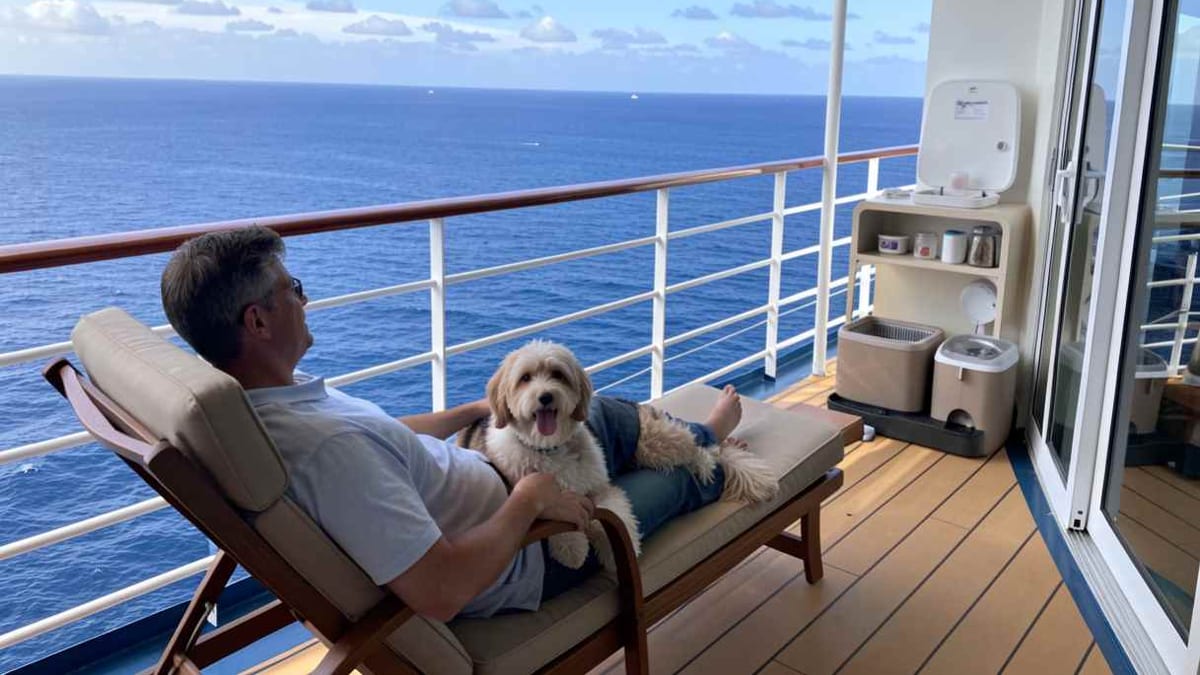
Legacy to Join Odyssey in Growing Villa Vie Fleet
According to newly released company information, Legacy will become the second ship in the Villa Vie Residences fleet, joining the existing Villa Vie Odyssey, which currently sails continuous world itineraries marketed as a full-time residential community at sea. The move positions Villa Vie among a small group of operators pursuing permanent or long-stay ocean living, a niche that has gained visibility as travelers seek alternatives to conventional retirement and remote work scenarios.
Public statements indicate the new vessel is scheduled to debut in early 2029, giving Villa Vie several years to further establish Odyssey’s global routing and onboard community model before doubling capacity. Villa Vie has been promoting Odyssey as an “ultimate world cruise residence,” with ownership, lease and rental options designed to keep residents onboard for months or years at a time, rather than on traditional one- or two-week sailings.
The company describes Legacy as an evolution of this concept, with the second ship intended to mirror the residential focus of Odyssey while offering an updated platform shaped by feedback from early residents. The two-ship structure is expected to give Villa Vie more flexibility in designing overlapping world itineraries, seasonal circuits and “try before you buy” segments aimed at prospective long-term residents.
Reports from industry trackers suggest that Villa Vie’s first ship has already carved out a distinct position in the residential cruise segment, sitting between ultra-luxury, high-price projects and more conventional world-cruise offerings. Legacy’s launch would strengthen that position by giving the brand additional inventory and schedule resilience.
Design Vision and Onboard Lifestyle for Legacy
While full technical specifications have not yet been widely detailed, available descriptions indicate that Legacy will be configured as a purpose-built residential environment rather than a standard cruise ship retrofitted for longer stays. That focus is expected to translate into a high proportion of cabins marketed as “villas” or residences, with layouts geared toward storage, work and daily living instead of short-vacation use.
Villa Vie has emphasized in its public materials that shipboard life centers on continuity and community, with residents encouraged to personalize their spaces, participate in recurring social activities and make use of work-friendly infrastructure such as business centers and shipwide high-speed connectivity. Legacy is likely to expand on that template, integrating co-working and wellness areas, extended-hours dining and service patterns closer to residential hospitality than traditional cruising.
Early information suggests that the second vessel will feature familiar hallmarks from Odyssey, including extended port calls, smaller-ship access to less-trafficked destinations and an all-inclusive structure that bundles housing, meals, basic beverages, internet and housekeeping into a predictable monthly cost. For long-stay guests and owners, that model is pitched as a way to replace or supplement land-based housing, particularly for retirees or remote professionals seeking a constantly shifting view outside their window.
Market observers note that Legacy’s planned arrival toward the end of the decade may give Villa Vie time to refine onboard services, loyalty concepts and residency programs that can be replicated on a larger scale. The line has already experimented with shorter trial segments and flexible commitment options that allow guests to test the lifestyle before making a long-term decision.
Market Context: Residential Cruising Gains Traction
The announcement of Legacy comes at a time when residential cruising is transitioning from a curiosity to a recognizable subcategory within the wider cruise industry. The long-running ship The World, along with planned projects such as MV Narrative and other residential concepts, has helped familiarize travelers with the idea of buying or leasing a seagoing home. Villa Vie occupies a distinct slice of this space by targeting comparatively accessible price points and offering defined, continuous world itineraries.
Industry commentary points out that demand for extended voyages has benefited from broader trends in remote work, digital nomadism and flexible retirement. Travelers who once might have split time between multiple land-based homes are now evaluating ships like Odyssey as a single, mobile base. By adding Legacy, Villa Vie appears to be signaling confidence that this demand will be durable enough to support a multi-ship fleet through the late 2020s and beyond.
At the same time, the move underscores the competitive pressures within the niche. Other hospitality brands and cruise operators are introducing long-stay products, including yacht-style vessels with residential suites and world cruises marketed to repeat guests. For Villa Vie, a second ship offers a way to protect and grow market share by increasing capacity while keeping its focus on community-building and relatively small-ship intimacy.
The incremental fleet growth also gives itinerary planners more tools to differentiate experiences. One ship could focus on longer, expedition-style routes and shoulder-season travel, while the other concentrates on marquee destinations and event-based stays, such as major festivals or regional celebrations. Although detailed deployment plans for Legacy have not been published, the two-ship structure opens up those strategic possibilities.
Implications for Prospective Residents and the Wider Cruise Sector
For travelers considering a long-term life at sea, the addition of Legacy broadens the set of available options. Prospective residents may gain more choice in cabin configurations, price tiers and voyage timing once the second ship is operating. Staggered itineraries could make it easier to step on and off the fleet in convenient regions without sacrificing continuity of lifestyle, a key selling point for those balancing family obligations, medical appointments or work commitments ashore.
Observers of the cruise business say the expansion could also serve as a bellwether for how scalable the residential model really is. If Villa Vie successfully fills a second ship on multi-year rotations, it may encourage further investment from competitors and shipyards in purpose-designed residential tonnage. Conversely, the years leading up to Legacy’s debut will test Villa Vie’s ability to maintain consistent service levels, manage operating costs and sustain onboard community dynamics over very long voyages.
For ports and destinations, an enlarged residential fleet may translate into more frequent calls and longer layovers, with ships functioning as floating apartment complexes that return seasonally. That pattern differs from conventional cruise calls, which often bring intense but short-lived visitor surges. Municipalities and tourism boards will be watching how residents engage with local services, housing and infrastructure during extended stays.
From a broader travel perspective, Legacy’s announcement adds to a narrative of experimentation across the cruise and hospitality sector. Operators are testing everything from ultra-luxury yacht residences to hybrid hotel-ship concepts, seeking to capture travelers who want a stable home environment paired with near-constant geographic change. Villa Vie’s second ship plan places the company squarely within that wave of innovation, using the residential model to push the idea of “slow travel” at global scale.