


Island Beach State Park in New Jersey often comes up in the same breath as more famous Jersey Shore towns, yet it feels very different once you pass the gatehouse. Instead of a boardwalk and rows of high-rises, you get ten miles of undeveloped dunes, maritime forest and ocean surf. For travelers weighing whether it is worth a visit specifically for swimming, fishing and immersive nature, the park can be a near-ideal choice, provided you know how it actually works on the ground.
Get the latest updates straight to your inbox!
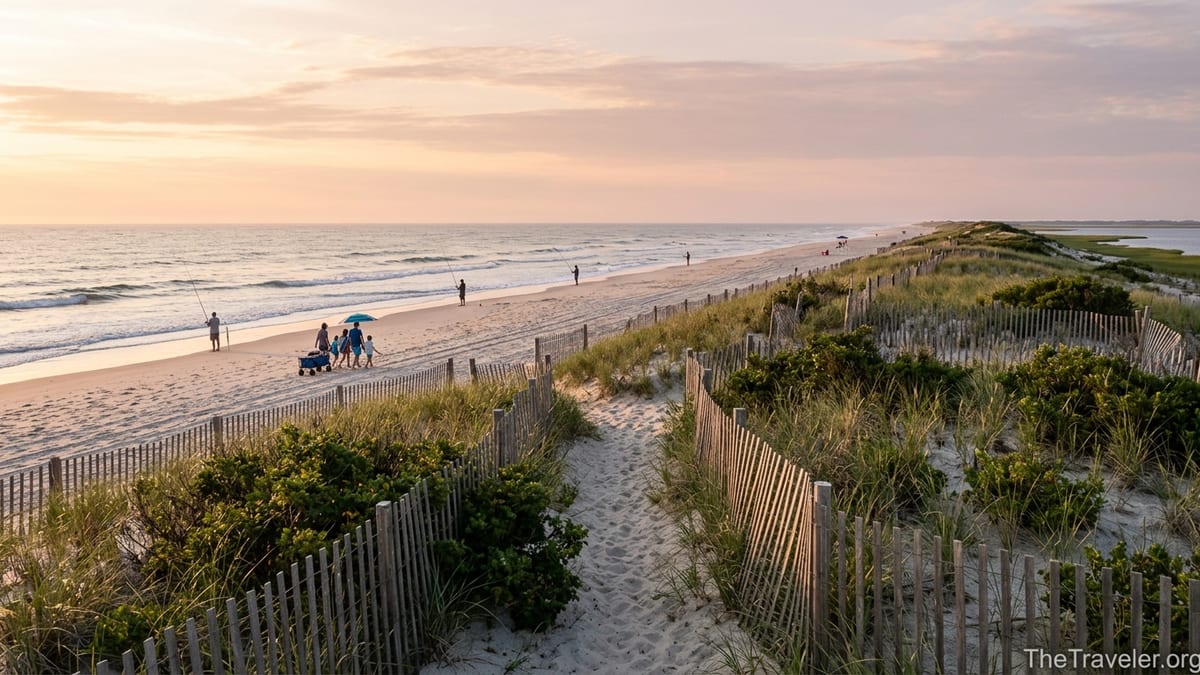
Understanding the Character of Island Beach State Park
Island Beach State Park occupies a long, narrow barrier peninsula south of Seaside Park, separating the Atlantic Ocean from Barnegat Bay. It is one of the last largely undeveloped stretches of shoreline on the New Jersey coast. Instead of arcades and hotels, the park road threads through low dunes, thickets of bayberry and holly and occasional salt marsh openings. You drive several miles before you even see the formal swimming area, and most of the park beyond that remains quiet and wild.
For visitors, that translates into a different rhythm than typical Shore destinations. There are restrooms, changing areas and a beach pavilion, but you will not find a boardwalk, nightlife, or restaurant rows here. Many people pack a full beach day kit in the car: a cooler for lunch, plenty of water, shade tents that can handle ocean breezes, and any fishing or birding gear. This self-sufficient approach is part of the appeal for those who prefer coastal nature over crowds.
The park is managed by the New Jersey Department of Environmental Protection and sees its heaviest use from roughly Memorial Day to Labor Day. In peak summer, expect entrance fees at the gate that are in the ballpark of other New Jersey state beach parks, typically around single-digit dollars per car for state residents and a bit more for nonresidents, collected during the main season. Outside that window, entry is sometimes free or reduced, which can make shoulder seasons especially attractive for anglers and nature photographers.
Because the park’s mission emphasizes conservation, activities are carefully zoned. Swimming is limited to guarded beaches in a central section. Fishing dominates many of the other oceanfront areas and large portions of the bay side. Nature access is concentrated on a series of short trails, a nature center and the Sedge Islands Marine Conservation Zone at the southern end. Understanding these zones helps you decide if the park’s balance of recreation and protection matches what you want from a coastal day trip.
Swimming at Island Beach State Park: What to Expect
If your main goal is swimming, Island Beach State Park offers a classic ocean-beach experience with some caveats. The park typically operates guarded swimming beaches during the summer season, with lifeguards on duty at specific lots, usually near the main pavilion in the central portion of the park. Swimming is only allowed where lifeguards are posted, and staff may restrict swimming on rough surf days.
The sand here is soft and pale, backed by vegetated dunes rather than buildings. On a clear July afternoon you might see families set up for the day near Ocean Bathing Area 1, kids playing in the shore break, and surfers clustered in zones outside the flagged swim area. Because nearby Seaside Heights and Seaside Park absorb much of the tourist crush, the crowd at Island Beach State Park, while substantial on Saturdays in August, generally feels more low-key, with many locals, anglers and repeat visitors.
Facilities for swimmers are practical rather than fancy. The main pavilion area has restrooms, showers and changing facilities, plus a seasonal concession stand that may sell basics like cold drinks, snacks and simple beach food. Parking lots can fill on sunny summer weekends by late morning; once a lot or the park reaches capacity, the entrance will close temporarily, so swimmers who want a full day often aim to arrive by mid-morning.
Conditions are very much those of an open Atlantic beach. Water temperatures remain cool in June, become comfortable by late July and August, and drop again in September. Rip currents do occur. When red flags are raised or public advisories are issued, lifeguards may limit people to shallow water or temporarily close the ocean for swimming. Visitors who are used to calmer bay or lake beaches should be prepared for stronger waves and supervise children closely even on seemingly moderate days.
Why Anglers Consider Island Beach State Park a Surf Fishing Mecca
For anglers, Island Beach State Park is widely regarded as one of New Jersey’s premier surf fishing destinations. The long, mostly undeveloped shoreline provides access to productive troughs and bars where striped bass, bluefish, summer flounder and other species feed. It is common to see rows of sand spikes, coolers and 10 to 11 foot surf rods stretching along the beach at dawn during the spring or fall bass runs.
Regulations focus heavily on fishing. Surf fishing is permitted on designated sections of the ocean side, and the park is particularly known for giving anglers access outside normal park hours, as long as they are actively engaged in fishing during night periods. That arrangement makes it possible to target pre-dawn bites or late-fall striped bass after sunset, something that is difficult or impossible on many more urbanized beaches.
Anglers do not need a traditional saltwater fishing license for surf fishing in New Jersey, but they must register with the state’s free Saltwater Recreational Registry Program and comply with current size and bag limits for each species. Mobile Sport Fishing Vehicle permits, sold in limited numbers via a lottery system, allow qualifying four-wheel-drive vehicles to drive on designated beaches solely for fishing. Recent seasons have seen those permits sell out quickly, underscoring the park’s popularity among serious surf casters.
On a practical level, visiting anglers often base themselves in nearby Seaside Park or Toms River, picking up bait like fresh bunker, clams or mullet from local tackle shops before entering the park pre-dawn. A typical day might involve targeting bluefish or striped bass on metal lures and topwater plugs during low light, switching to rigs for flounder or kingfish when the sun rises, then moving down-island as crowds build around the main swimming area. Even on summer weekends, the farther parking lots and drive-on sections can remain relatively uncrowded, letting anglers spread out and work the surf.
Nature and Wildlife: A Rare Slice of Wild Jersey Shore
Where Island Beach State Park shines for nature lovers is in its relatively intact barrier-island ecosystem. Within a short distance of the entrance, you can walk through dune grass, maritime forest, shrub thickets and tidal marsh, all without leaving state land. That diversity supports an impressive array of birds, small mammals and marine life, as well as dune plants like beach heather and seaside goldenrod that are now rare along heavily developed coastlines.
Several short, signed trails begin from roadside pullouts and small parking areas. For example, the Spizzle Creek Bird Trail crosses dunes and thickets before reaching a boardwalk and observation blind overlooking salt marsh and tidal creeks. Birders frequently scan this area for ospreys, herons, egrets and shorebirds. Another path near the Island Beach State Park Nature Center leads to an overlook where you can watch ospreys hunting in Barnegat Bay or spot diamondback terrapins in warm months.
The Sedge Islands Marine Conservation Zone at the southern end of the park offers an even more immersive wildlife experience, accessible by kayak tours or shallow-draft boats. Here, low sedge-covered islands, oyster beds and winding channels create important habitat for fish, shellfish and birds. Guided eco-tours typically point out nesting ospreys, clapper rails and sometimes seal haul-outs in winter. For travelers who might otherwise think of New Jersey solely in terms of highways and suburbs, this mosaic of marsh and bay can be eye-opening.
Because sensitive species, including beach-nesting birds such as piping plovers and least terns, sometimes use the park’s shoreline, certain stretches of beach may be temporarily roped off during the breeding season. These closures can be frustrating if you are trying to walk a continuous stretch of sand, but they are usually localized and well marked. Nature-focused visitors often appreciate the chance to see conservation in action and may even spot chicks or adults from behind the protective fencing.
Practical Planning: Fees, Seasons and Crowds
Whether Island Beach State Park is “worth it” depends heavily on when and how you visit. During peak summer, you can expect a modest per-car day-use fee collected at the gate, with higher rates on weekends and holidays and for nonresidents. For a family of four driving in from northern New Jersey or Pennsylvania, this often works out to less than the combined price of daily beach badges at some private beaches, especially when you factor in free or included parking inside the park.
In high season, plan for traffic backups leading to the single-entrance gate on sunny Saturdays and Sundays. It is not uncommon for late-arriving beachgoers to be turned away temporarily when parking lots fill. Many repeat visitors time their arrivals before 10 a.m., or visit on weekdays, when the park feels calmer and parking stress is reduced. Shoulder-season weekends in late May, early June, September and even early October often deliver pleasant air temperatures, lighter crowds and excellent fishing, though swimming may not be guarded outside the core summer schedule.
Services are intentionally limited. There are no hotels, campgrounds or full-service restaurants inside the park. Travelers typically stay in Seaside Park, Seaside Heights, Toms River or farther afield and drive in for the day. Some anglers with mobile sport fishing vehicle permits effectively “car camp” on the beach in their trucks or SUVs while remaining actively engaged in fishing overnight, but traditional tent camping on the sand is not permitted.
Weather and coastal conditions are another key factor. Barrier islands are exposed, so wind can whip up sand and produce choppy surf quickly. Late-summer tropical systems offshore can generate strong swells that delight experienced surfers but make swimming less comfortable and occasionally trigger swim advisories. Conversely, on still, hot August days, biting flies and greenhead flies can be intense in some bayside areas and behind the dunes, especially near marshes. Bug spray, light long sleeves for hiking through thickets and flexible expectations all help.
Is It Right for Your Type of Trip?
For swimmers who want amenities and convenience, Island Beach State Park is a good fit if you like a relatively natural beach environment and do not mind packing your own gear. The guarded swimming area, clean sand and lack of boardwalk clutter make it appealing for families who prioritize surf, sand and simple facilities over rides and arcades. However, if you are looking for beach bars, restaurants within a short stroll of your towel or extensive rental options, you will likely find nearby towns more suitable.
Anglers typically rate the park very highly. The combination of long, accessible shoreline, special accommodations such as drive-on fishing permits, night access for active surf fishers and proximity to bait shops and charter boats makes it one of the more attractive surf options in the Mid-Atlantic. Serious casters planning a dedicated fishing weekend, especially in spring or fall, are often willing to deal with early-morning drives, variable weather and some regulatory complexity precisely because the payoff in terms of opportunity is so strong.
Nature lovers, especially birders, photographers and those who enjoy short interpretive walks, may find Island Beach State Park one of the most rewarding day trips in New Jersey. In a single afternoon you can swim in the ocean, hike a dune trail, watch ospreys from an observation platform and close the day with a sunset over Barnegat Bay. Compared with more developed beaches, the continuity of wild habitat here is rare, and it can be especially powerful for visitors introducing children to coastal ecology.
On the other hand, travelers who dislike driving everywhere, who prefer cafes, shops and nightlife within walking distance, or who want a wide selection of indoor attractions for rainy days may find the quiet and relative isolation limiting. The park works best when paired with nearby towns for lodging and dining, or as a focused nature and fishing excursion rather than a full-service resort experience.
The Takeaway
Island Beach State Park is absolutely worth visiting for swimming, fishing and nature, provided your expectations match what this protected barrier island can realistically offer. Swimmers get a lifeguarded, low-rise oceanfront beach with clean sand and Atlantic surf, but not a built-up boardwalk scene. Anglers gain access to some of New Jersey’s most respected surf waters, plus policies that accommodate dawn, dusk and even overnight fishing under clear rules. Nature lovers encounter a mosaic of dunes, forests and marsh that has largely vanished elsewhere along the coast.
Costs and logistics are relatively manageable: a per-car entrance fee comparable to or lower than buying several individual beach badges, free or included parking inside the park, and straightforward access from major highways. The tradeoffs are minimal commercial infrastructure, occasional crowding at the gate on prime weekends, and environmental protections that can temporarily limit access to certain stretches of beach.
If you picture your ideal Jersey Shore day as riding roller coasters, strolling a neon boardwalk and dining out without getting in the car, this is not your park. But if your idea of a perfect coastal trip is casting into the surf at sunrise, swimming in clean ocean water under the watch of lifeguards, walking a quiet trail through bayberry and holly, and watching ospreys wheel over a salt marsh at dusk, Island Beach State Park delivers exactly that experience, often within a single day. For many travelers, that combination makes it one of the most rewarding stretches of coastline in the state.
FAQ
Q1: Is Island Beach State Park good for families with young kids who want to swim?
Yes, as long as you are comfortable with open-ocean conditions and plan around peak crowds. The guarded swimming area offers soft sand, lifeguards in season and basic facilities like restrooms and showers. Parents should be prepared for Atlantic surf that can be stronger than bay or lake beaches, and keep children within arm’s reach in the water.
Q2: How much does it cost to visit Island Beach State Park for the day?
Entrance fees are charged per vehicle during the main summer season and are broadly comparable to other New Jersey state beach parks, usually in the single to low double digits depending on residency and day of the week. Outside peak season, fees may be lower or sometimes not collected. It is wise to check the current New Jersey State Parks fee schedule just before you go, as amounts can change.
Q3: Can I fish and swim in the same area of the beach?
No, not during the main season. The designated swimming area is reserved for bathers and is closed to fishing when lifeguards are on duty, both for safety and comfort. Anglers typically fish outside the flagged swim zones or in other sections of the park, leaving the central guarded area primarily for swimmers and families.
Q4: Do I need a special permit to drive on the beach for surf fishing?
Yes. To drive a four-wheel-drive vehicle onto designated fishing beaches, you must obtain a Mobile Sport Fishing Vehicle permit from the state. Permits are limited, often sold through a lottery system, and can sell out before the season. Even with a permit, driving is restricted to certain areas and times, and you are required to be actively engaged in fishing.
Q5: Are there hiking trails or just beach access?
There are several short nature trails in addition to beach access. These include dune and maritime forest loops near the park road and birding-oriented paths such as the Spizzle Creek trail with its observation blind overlooking the marsh. Most trails are under a mile or two and are suitable for casual walkers wearing sturdy sandals or sneakers.
Q6: What kind of wildlife might I see at Island Beach State Park?
Common sightings include ospreys, herons, egrets, gulls and various shorebirds, along with small mammals like rabbits and foxes. In the marshes and bayside creeks you may see diamondback terrapins and schooling fish. During colder months, seals are occasionally spotted resting on sandbars near the southern end of the park, particularly in the Sedge Islands area.
Q7: Is camping allowed inside the park?
Traditional tent or RV camping is not available on the ocean beach. Overnight presence is generally limited to those actively engaged in surf fishing under specific regulations, including certain permit holders. Most visitors who want to stay nearby book accommodation in neighboring towns such as Seaside Park, Seaside Heights or Toms River and drive into the park for the day.
Q8: When is the best time of year to visit for fishing?
Spring and fall are often considered prime for surf fishing, particularly for striped bass and bluefish during their migrations. Summer can be excellent for species like flounder, kingfish and smaller panfish, though daytime beach crowds are heavier. Winter offers much quieter conditions but also harsher weather. Many anglers plan trips around current local reports and seasonal run patterns.
Q9: Are there food options inside the park or should I bring my own?
There is usually at least one seasonal concession near the main swimming area selling simple beach fare such as snacks and drinks, but options are limited. Most regular visitors bring a cooler with water, sandwiches and other supplies, treating the park more like a picnic and nature destination than a place to dine out.
Q10: Is Island Beach State Park accessible by public transportation?
Direct public transportation to the park gate is limited. Some travelers take a bus to nearby towns like Seaside Heights or Toms River and then use a taxi or rideshare to reach the park, but most visitors arrive by private car. Because the park is long and services are spaced out, having a vehicle on site makes it much easier to move between swimming areas, fishing spots and trailheads.