


More news on this day
With tourism to Greece projected to grow again in 2026, many potential visitors are weighing a familiar question: how safe is it to travel to the country amid regional tensions, recurring summer wildfires and periodic seismic activity?
Get the latest news straight to your inbox!
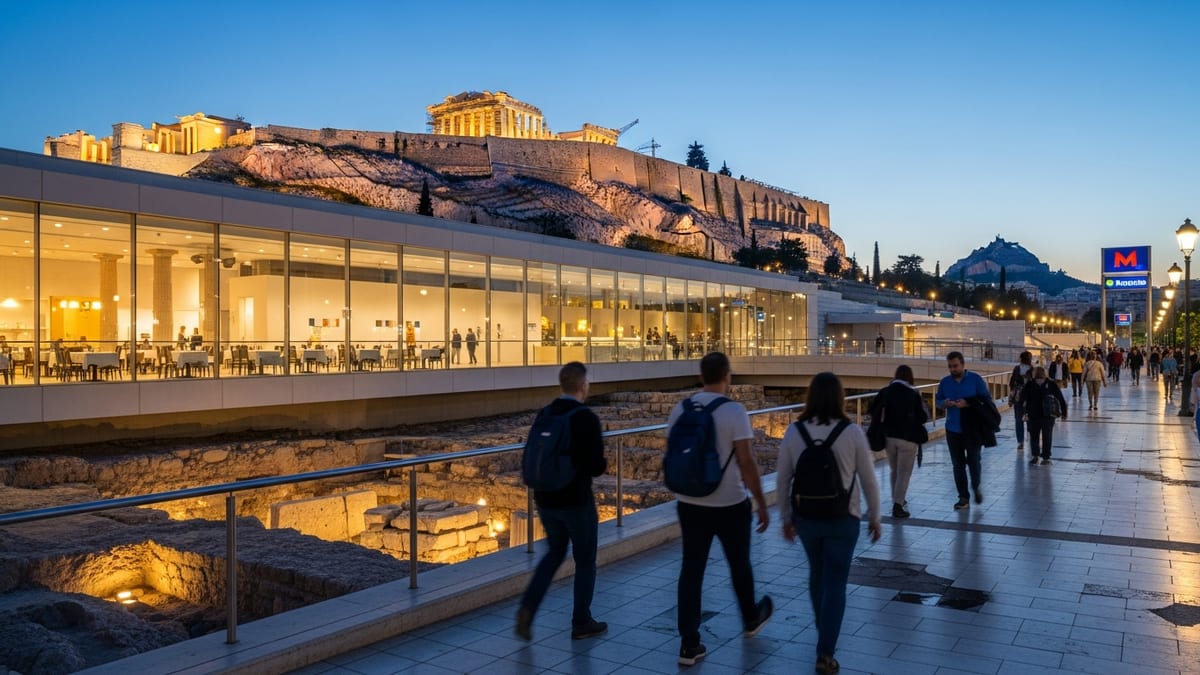
Overall Security Picture: Low-Risk but Not Risk-Free
Publicly available government advisories from several countries currently classify Greece as a low-risk destination, generally recommending that travelers exercise normal safety precautions. The United States, Canada, Australia and New Zealand all place Greece at their lowest or second-lowest advisory levels, indicating that the country does not face widespread security threats beyond those found in many other European destinations.
General crime levels affecting tourists remain relatively modest compared with some major European capitals. Reports indicate that the most common issues for visitors are petty theft in busy areas such as central Athens, port cities and popular island hubs. Travelers are routinely advised to watch bags in crowds, on public transport and at beaches, and to take standard precautions around ATMs and nightlife districts.
Greece’s role as a gateway on the Eastern Mediterranean migration route continues, but large-scale disruptions to tourist areas have been limited in recent seasons. Incidents involving irregular migration are more often concentrated around specific sea corridors and remote islands, rather than mainstream holiday destinations. As in previous years, overnight ferry crossings and border zones call for extra awareness, yet large-scale disorder affecting visitors has not been widely reported.
Despite broader geopolitical strains, including conflict in the wider Middle East, Greece is geographically removed from active war zones. Aviation and tourism data for 2025 and early 2026 show continuing strong demand for Greek destinations, and industry forecasts for 2026 point to modest growth rather than cancellations driven by security fears.
Wildfires and Extreme Heat: Managing a Recurring Summer Risk
The greatest short-term safety concern for summer visitors in recent years has been seasonal wildfires, intensified by heatwaves across the Mediterranean. Major fires in 2023 and 2025 prompted evacuations on several islands and mainland regions, temporarily disrupting holidays and damaging property, though foreign visitor casualties remained rare. Coverage of the 2025 European and Mediterranean wildfire season highlighted Greece among the affected states, underscoring the need for travelers to pay attention to local fire conditions during July and August.
Research published in early 2026 by Greek tourism scholars indicates that although wildfires can temporarily deter bookings, overall demand for Greece has remained resilient over the long term. Hotels and tourism-related businesses have increasingly incorporated contingency planning, while civil protection authorities have expanded early warning systems and evacuation protocols following recent seasons.
For visitors in 2026, the practical implication is that wildfire and heat risk is highly seasonal and localised. Mainland forested regions and some islands can see elevated fire danger in late summer, especially during prolonged heatwaves. Travelers are encouraged to monitor local news and weather bulletins, respect fire bans, and be prepared to adjust itineraries if smoke or evacuation alerts arise.
Heat itself is a health and safety concern, particularly in urban centres such as Athens and for visitors unaccustomed to high temperatures. Public health messaging in recent summers has focused on hydration, limiting midday exposure and watching for signs of heat stress among children, older travellers and those with underlying health conditions. Access to air-conditioned accommodation and flexible sightseeing schedules can significantly reduce these risks.
Earthquakes, Volcanoes and Island Safety
Greece lies on a seismically active boundary between tectonic plates, and earthquakes are a normal feature of life in the region. In recent years, tremors near Crete, the Dodecanese and particularly around the Santorini–Amorgos area have drawn international attention. A cluster of quakes and heightened seismic monitoring in 2025 led to temporary concern about a major event, but subsequent scientific publications in 2025 and 2026 describe the episode as consistent with known regional tectonics and volcanic systems, without evidence of an imminent catastrophic eruption.
Tourism-facing safety guidance generally characterises earthquake risk in Greece as managed rather than exceptional. Building codes in newer structures, especially hotels and key infrastructure, have been strengthened over successive decades in response to past disasters. While no earthquake zone can be considered fully safe, the pattern of recent events has not led major governments to advise against travel to Greek islands or coastal resorts in 2026.
Visitors to islands such as Santorini, Crete, Rhodes and the Ionian chain are advised to familiarise themselves with basic earthquake safety practices. These include knowing where emergency exits are in hotels, identifying safe spots away from heavy objects inside rooms, and following any posted local guidance about assembly points. Ferry and cruise passengers should also be aware that services can be disrupted for short periods following seismic incidents while inspections are carried out.
Low-probability but attention-grabbing hazards such as tsunamis related to undersea quakes receive significant media coverage when warnings are issued. In practice, modern monitoring networks and regional coordination mean that coastal alerts are usually disseminated quickly, and large destructive tsunamis in Greek waters remain rare. Travelers who stay informed and heed local instructions reduce their exposure to these already unlikely events.
Regional Tensions, Protests and Urban Safety
As a member of both the European Union and NATO, Greece is closely linked to regional security developments, including the current conflict involving Iran and the United States. Aviation fuel prices and air routes have felt some indirect effects, but major travel advisories as of mid-2026 do not describe Greece itself as a conflict zone or direct target. Public commentary from tourism analysts in spring and summer 2026 has emphasised that, for now, the impact on travel demand is economic rather than driven by physical security fears.
Domestically, Greece continues to experience periodic demonstrations and labor strikes, especially in Athens and Thessaloniki. These events can disrupt public transport, close archaeological sites or delay ferry departures. Travel advisories consistently recommend that visitors avoid large political gatherings and monitor schedules for potential strike action, not because of systematic violence against tourists but due to the potential for clashes between protesters and police, as well as logistical inconvenience.
Urban crime trends remain broadly similar to other southern European capitals, with pickpocketing, bag snatching and occasional scams affecting visitors in crowded neighborhoods and nightlife districts. Public information campaigns and tourism boards encourage simple measures such as keeping valuables secured, using licensed taxis or reputable ride services, and being cautious when approached by overly persistent touts.
Travelers choosing accommodation in major cities are increasingly paying attention to neighbourhood profiles, late-night transport options and proximity to main sights. While most central districts popular with tourists are busy and well-patrolled, some fringe areas around large transport hubs can feel less comfortable at night, particularly for solo travelers. Checking recent, independent reviews and arriving before dark where possible can mitigate these concerns.
Practical Planning for Trips to Greece in 2026
Looking ahead to the remainder of 2026, sector forecasts and hotel bookings suggest that Greece will remain one of Europe’s busiest leisure destinations. Industry surveys published in early summer point to modest revenue growth and high occupancy expectations, particularly on iconic islands and along well-known coastal regions. This continued demand implies that, for most visitors, the perceived benefits of travel outweigh concerns about safety.
Nevertheless, individual risk tolerance varies, and travelers are encouraged to review the latest advisory from their own government shortly before departure. These advisories summarise current information on issues such as crime, civil unrest, health conditions, aviation changes and any emerging regional security developments. They also outline entry requirements, insurance considerations and recommended documentation.
From a planning perspective, flexible bookings and comprehensive travel insurance can help manage the residual risks associated with wildfires, heatwaves, strikes or seismic events. Many policies now specifically address trip disruption from natural hazards and civil emergencies, although coverage terms differ widely and require careful reading.
For most people considering a holiday in Greece in 2026, the available evidence suggests that the country remains a generally safe choice within the European context, provided that visitors stay informed, heed local guidance and adjust plans if conditions shift. Careful preparation, rather than avoidance, appears to be the prevailing approach among both seasoned travelers and industry professionals.