


More news on this day
Turkey remains one of the Mediterranean’s busiest holiday destinations, but shifting government advisories on terrorism and regional conflict have left many travellers asking whether it is still safe to visit in summer 2026.
Get the latest news straight to your inbox!
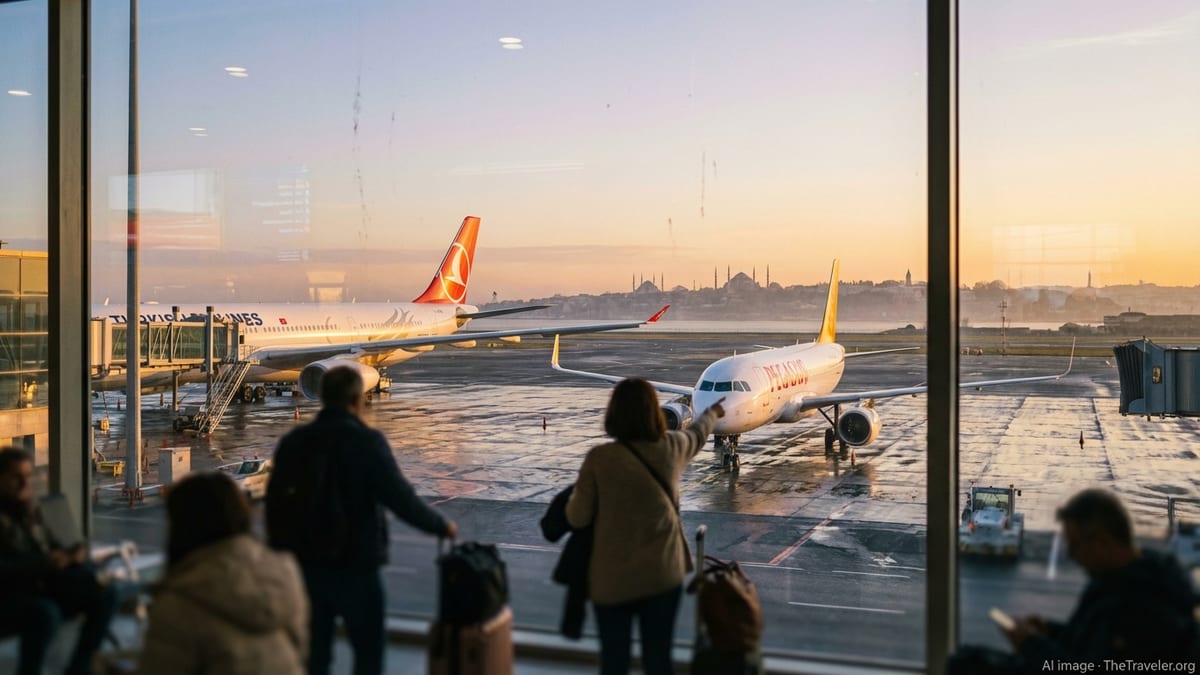
Turkey’s Overall Risk Level in June 2026
Current travel advisories from major governments present a mixed but relatively stable picture for most of Turkey. The United States classifies the country at Level 2, meaning travellers are urged to exercise increased caution, while highlighting specific regional restrictions near conflict zones. This places Turkey in a similar bracket to several popular European destinations where terrorism is listed as a concern.
For British travellers, the latest Foreign, Commonwealth and Development Office guidance continues to flag a general risk from terrorism and political tensions, but does not advise against travel to most of the country. The advisory is still current as of mid June 2026 and has been adjusted in recent weeks to refine warnings around the border with Syria rather than to introduce sweeping new restrictions.
Australia and other governments also group Turkey among destinations where visitors should stay alert to security developments in the wider Middle East, but where commercial flights, tourism infrastructure and major cities such as Istanbul, Antalya and Izmir are operating normally. Publicly available information indicates that international tourism flows to Turkey have recovered strongly from the pandemic period, even as security advisories remain in place.
In practical terms, this means that mainstream resorts on the Aegean and Mediterranean coasts, as well as Istanbul’s historic centre, are still being promoted by tour operators and airlines. However, travellers are being encouraged to follow local news, avoid demonstrations and be aware of an elevated but managed security environment.
Border Zones Where Travel Is Still Discouraged
While the broad message is that most of Turkey is open to visitors, both the UK and US advisories retain clear red lines around the country’s southeastern frontier. The UK government advises against all travel to areas within 10 kilometres of the border with Syria, citing ongoing fighting and a heightened risk of terrorism. This is framed as a standing restriction rather than a short term alert.
Similarly, the US travel advisory urges people not to travel to border regions with Syria and Iraq because of the risk of terrorism and armed conflict. These warnings effectively carve out parts of the provinces that touch those borders, particularly remote rural zones and military areas that have never formed part of mainstream holiday itineraries.
Security analysts note that Kurdish militant activity and spillover from conflicts in neighbouring states have long made this corridor more volatile than western and central Turkey. Specialist risk maps and insurance briefings published in recent months continue to classify the far southeast as higher risk, reflecting both sporadic attacks and heavier security operations.
For most leisure travellers, the key takeaway is that standard tourism hubs like Cappadocia, the Turquoise Coast and the western cities sit far from these restricted zones. Tour operators and airlines typically do not route visitors anywhere near the affected border districts, and independent travellers are urged to understand that venturing into these areas may void travel insurance.
Terrorism Risk, Protests and Urban Security
Terrorism remains the central reason Turkey stays at Level 2 in the US system and under heightened risk categories in European guidance. Officials highlight that terrorist groups continue to plot possible attacks and that past incidents have targeted tourist locations, diplomatic sites, transport hubs and places of worship. A high profile shooting at the Israeli consulate in Istanbul in April 2026 reinforced concerns about symbolic sites being selected for politically motivated violence.
Security advisories emphasise that attacks may occur with little or no warning, particularly in major cities like Istanbul and Ankara. Travellers are urged to be especially cautious in crowded public spaces, including shopping malls, markets, metro stations, airports and large events. The guidance is similar to language used for several other destinations in Europe and the Middle East where terrorism is described as a persistent but not constant threat.
Beyond terrorism, authorities warn that political protests can flare with limited notice, especially in central squares and university districts. Publicly accessible briefings on Turkey’s risk environment advise foreign visitors to steer clear of demonstrations, which can be met with a heavy police presence and may lead to road closures or temporary disruption to public transport.
Despite these concerns, travel risk firms note that day to day life in Istanbul and other tourist centres continues largely uninterrupted, with extensive visible security around key attractions, transport nodes and government buildings. Many travellers report that heightened checks at entrances to shopping centres and museums have become a normal part of the urban experience rather than an obstacle to visiting.
Health, Logistics and Insurance Considerations
Health related travel restrictions linked to the pandemic have largely been phased out, and Turkey’s official health travel portals now focus on routine vaccination guidance and summer heat risks rather than on emergency border closures. Recent updates highlight the importance of sun protection, hydration and food hygiene, particularly along the hot southern coast where temperatures climb during July and August.
Air connections into Istanbul, Antalya, Bodrum and Dalaman remain extensive, with major European and Gulf carriers maintaining busy schedules. Reports from aviation and tourism outlets show that capacity into Turkey continues to expand for the summer 2026 season, underscoring confidence among airlines and tour operators that the destination remains commercially and operationally viable.
Insurance, however, remains a critical factor. Many policies exclude cover if travellers enter areas that their home government labels as places where travel is advised against. Specialist insurance briefings and university travel policies published this year reiterate that Level 4 and, in some cases, Level 3 advisory zones can invalidate cover or trigger additional approval processes. Travellers heading to Turkey are therefore encouraged to check policy wording carefully, paying close attention to any references to specific provinces or border regions.
Urban crime levels in tourist districts are generally characterised as moderate by international risk maps, with the main issues involving petty theft, scams and occasional harassment. Standard big city precautions, such as keeping valuables out of sight, using licensed taxis and avoiding poorly lit areas late at night, are recommended.
How Turkey Compares With Neighbouring Destinations
Recent weeks have seen several “do not travel” or “avoid all travel” warnings eased or lifted in parts of the wider region, including some Gulf states and nearby Middle Eastern destinations that were previously subject to stricter advisories. Executive travel digests and news coverage of government warning systems indicate a gradual recalibration as conflict risks are reassessed and commercial air links are restored.
In this context, Turkey’s Level 2 status and targeted border restrictions place it in a more favourable category than countries still under broad Level 4 or blanket “do not travel” guidance. It also means that, for many travellers, the practical risk profile now looks closer to that of other popular destinations where terrorism is a known but managed concern.
At the same time, security analysts caution against treating the lifting of neighbouring warnings as a signal that risks in Turkey have disappeared. The country’s strategic position, domestic politics and proximity to multiple conflict zones ensure that security advisories are likely to remain in place for the foreseeable future, even as tourism continues to grow.
For travellers planning trips in 2026, the overall message from publicly available advisories is that Turkey is open, busy and broadly safe for well prepared visitors who avoid the southeastern border, monitor local developments and take sensible precautions in major cities and crowded spaces.