


More news on this day
Travelers heading through Ronald Reagan Washington National Airport this summer face unusual disruptions, as July Fourth and other major anniversary events in Washington, DC, trigger extended flight groundings and delays.
Get the latest news straight to your inbox!
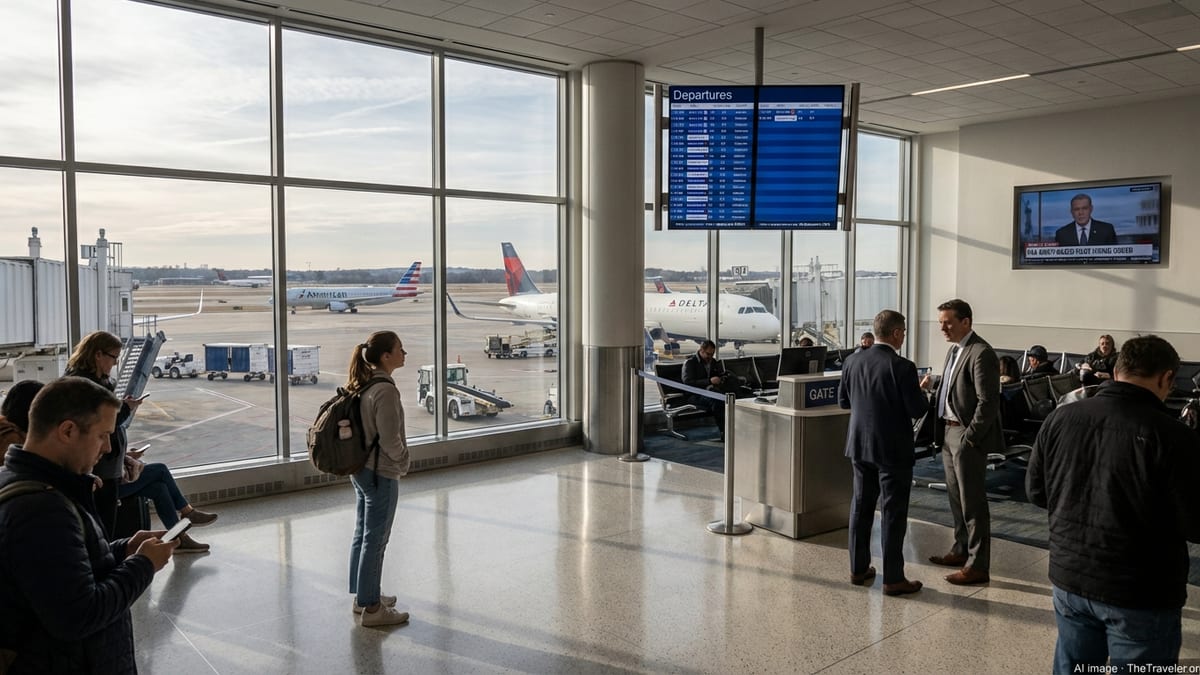
Major July Fourth Shutdown for America’s 250th
Publicly available information from the Metropolitan Washington Airports Authority and multiple news outlets shows that Reagan National Airport will suspend departures and arrivals for much of July 4, 2026. Operations are scheduled to stop around noon Eastern as the federal government stages large-scale Salute to America and America 250 celebrations over central Washington.
Reports indicate that the airspace closure is tied to a lengthy program of military and heritage aircraft flyovers, aerial demonstrations and one of the largest fireworks displays ever staged over the National Mall. To create a sterile safety zone for these aircraft and pyrotechnics, federal aviation authorities plan to restrict traffic in and out of the tight airspace surrounding downtown Washington and the Potomac River corridor.
Unlike typical Independence Day years, when Reagan National often sees only brief ground stops of 30 to 60 minutes during evening flyovers or fireworks, this year’s celebration is expected to shutter the airport for many hours at the height of the holiday. Schedules reviewed by local outlets show no commercial departures planned after midday on July 4, with the closure stretching into the night before normal service gradually resumes early on July 5.
Carriers that rely heavily on Reagan National, including American Airlines and Southwest, have already adjusted timetables, trimming afternoon and evening flights or shifting some passengers to Washington Dulles and Baltimore/Washington International. Travelers who normally count on a late-afternoon hop into or out of the nation’s capital on the Fourth will find far fewer options this year.
Rehearsals and Summer Spectacles Add More Disruption
The holiday closure is only one piece of a broader pattern of aviation impacts tied to America 250 programming. According to published coverage and airline advisories, rehearsals for the July Fourth show on July 3 will also pause or slow operations at Reagan National for several hours, leading to rolling delays even before the holiday itself.
After Independence Day, additional events are expected to trigger more temporary halts. Planning documents and local reporting point to a Great American State Fair flyover and parachute display in mid-July, along with other aerial salutes and commemorative activities later in the summer. Each event requires shielded airspace over central Washington, prompting the Federal Aviation Administration to issue special notices and, in some cases, order ground stops at Reagan National during performance windows.
These closures arrive on top of the usual congestion drivers such as summer thunderstorms and East Coast traffic bottlenecks. Travel industry analysts note that even a short ground stop at a hub-style airport like Reagan National can cascade into hours of delays as aircraft and crews fall out of position. For passengers, that can translate into missed connections, rebooked itineraries and longer waits on already crowded holiday travel days.
Memorial Day weekend offered a preview of these ripple effects. A recent ground stop at Reagan National, initially imposed for security and operational reasons unrelated to America 250, quickly turned into widespread afternoon delays and cancellations across airlines serving the airport. The episode underscored how sensitive the DC airspace system is to any extended pause in departures and arrivals.
What Travelers Can Expect at Reagan National
For passengers, the most immediate impact will be a holiday schedule that looks markedly different from a typical July Fourth. Afternoon and evening departures on July 4 are largely absent from booking systems, and many early afternoon flights have been blocked or retimed to ensure they land before the midday cutoff. Travelers who do see open seats during the restricted window should expect that those flights may be re-accommodated or canceled as operational plans are finalized.
On July 3 and during other America 250 events, airlines are warning customers to prepare for rolling delays even if their tickets show normal departure times. Ground delay programs, in which takeoff slots are metered to manage congestion into Washington, are likely during rehearsal flyovers and other aerial activities. That can mean aircraft hold at their departure airports for extended periods before being cleared to head toward the capital region.
Inside the terminals, passenger flows may also shift as travelers rebook to morning flights or alternate days. Airport officials have encouraged travelers, through public statements and social media posts, to arrive early, monitor airline notifications closely and prepare for security lines that may spike at certain times of day. With fewer flights operating during the afternoon and evening on July 4, some facilities and concessions may adjust operating hours in response to lower demand.
Ground transportation options will remain available, but road congestion is expected to intensify as visitors drive into the city for fireworks and anniversary events. Ride-hailing services and taxis serving Reagan National may experience surges before the midday airport shutdown and again late at night on July 4 and early on July 5, when commercial operations are scheduled to resume.
Alternatives and Strategies for DC-Bound Flyers
Frequent travelers and aviation observers suggest that passengers with flexibility consider adjusting their plans around the closures. Booking on July 2 or early on July 3 into or out of Reagan National may offer a smoother experience than traveling during the rehearsal or holiday windows. For those who must travel on July 4, early morning departures and arrivals are the least likely to be affected by the midday grounding.
Another option is to route through Washington Dulles or Baltimore/Washington International, both of which sit outside the most restrictive DC airspace. Based on prior national events, those airports may still see minor scheduling adjustments, but they are not expected to face the extended full-stop closure planned for Reagan National. Rail and intercity bus services into Washington can also provide alternatives for regional travelers who prefer to avoid the holiday airspace disruptions entirely.
Airlines are encouraging customers to use mobile apps and email alerts to track real-time schedule changes, gate assignments and rebooking options. Same-day change policies, which some carriers loosen during major irregular operations, may give passengers additional flexibility to shift to earlier or later flights as the picture around each event becomes clearer.
Travel planners note that travel insurance with trip-interruption coverage may help offset costs from overnight hotel stays or missed connections caused by extensive delays. However, passengers are urged to read policy language carefully, as some plans treat government-ordered airspace closures differently from weather-related disruptions.
Long-Term Shift in DC’s Summer Travel Pattern
The wave of airspace restrictions tied to America’s 250th anniversary highlights how closely Washington’s aviation system is intertwined with the city’s ceremonial role. Reagan National’s short runways, waterfront location and proximity to the White House and Capitol make it especially sensitive to security and safety requirements for flyovers, fireworks and other high-profile events.
While the July Fourth shutdown is unusually long, observers point out that temporary ground stops at Reagan National are not new. Past Independence Day celebrations and presidential events have generated shorter pauses for aerial demonstrations. What sets 2026 apart is the scale and frequency of planned activities throughout the summer, many involving complex aircraft formations and pyrotechnic displays that necessitate wider and longer airspace cordons.
Looking ahead, some aviation analysts believe that large ceremonial anniversaries could increasingly reshape seasonal travel patterns in Washington, particularly when they coincide with busy holiday weekends. Depending on how smoothly operations run this year, airlines and federal planners may revisit how far in advance they coordinate schedules and communicate with passengers about airport closures.
For now, the message to travelers is clear: anyone planning to fly via Reagan National around July Fourth or during other major DC events this summer should expect significant disruption, build in extra time and consider backup options. With the airspace over the capital serving as the stage for milestone celebrations, normal flight routines will take a back seat to the aerial spectacle.