


For many travelers planning trips across Asia and beyond, Klook appears constantly: in Google results, on social media, even inside airports. It promises discounted attraction tickets, easy tour booking and hassle-free airport transfers in one app. But with alternatives like GetYourGuide, Viator, and booking direct, is Klook actually worth using for tours, attractions and airport transfers in 2026, or is it just another middleman taking a cut of your budget?
Get the latest updates straight to your inbox!
What Klook Actually Does (And Where It’s Strongest)
Klook is an online marketplace that connects travelers with local operators offering attraction tickets, tours, transport and various add-ons like SIM cards or eSIMs. It began with a strong focus on Asia and that continues to be its biggest strength. In destinations like Japan, South Korea, Hong Kong, Singapore, Thailand and Taiwan, Klook typically has deep inventory, competitive prices and a wide mix of big-name attractions and smaller local experiences. Recent independent comparisons looking at Tokyo, Kyoto and Osaka in April 2026 found that classic day tours such as a Mount Fuji bus trip from Tokyo were sometimes cheaper on Klook than on rivals, with gaps of up to around 10 to 20 percent for specific dates, even though average price differences across all tours were smaller.
These regional strengths show up in very practical ways. In Japan, Klook sells products such as JR rail passes with home delivery, regional train passes, and city attraction bundles that might not be as visible on other platforms. In South Korea it is common to use Klook for N Seoul Tower tickets, Everland or Lotte World passes, and airport transfers from Incheon into Seoul. In Singapore and Hong Kong, many travelers use Klook primarily to lock in discounted tickets for big-ticket attractions like Universal Studios Singapore, Gardens by the Bay or Hong Kong Disneyland, then add airport transport or SIM cards as extras.
Outside Klook’s home turf, the picture is more mixed. In many European cities, local tour guides and travelers report that Viator and GetYourGuide still offer more choice and stronger pricing, while Klook’s European inventory can feel thin or duplicated from other platforms. In North America and parts of Oceania, Klook is present but not dominant, and is usually best treated as one option to check rather than the default. To decide whether Klook is “worth it,” you first need to understand whether you are traveling in a Klook-strong region or not.
In short, Klook functions best as a specialist for Asia and select destinations where it has negotiated good local deals, rather than a universal one-stop shop worldwide. Knowing this helps set realistic expectations and avoids disappointment when comparing tours in regions where other platforms are clearly stronger.
Price & Value: Are the Deals Really Cheaper?
One of Klook’s headline promises is lower prices, especially on attraction tickets and bundled experiences. In practice, Klook can indeed be cheaper, but it is not always the lowest price and it rarely pays to book blindly without comparing. Real-world tests in 2026 on classic Japan experiences showed that a popular Mount Fuji day tour might cost roughly 85 US dollars on Klook while the same tour on another global platform sold closer to 89 or 92 dollars for the same date and inclusions. On airport transfers and attraction tickets, differences of a few US dollars per person are common, but occasionally the gap grows larger when Klook runs flash sales or regional promotions.
Consider airport transfers from Singapore Changi Airport into the city. Klook’s own transfer pages list private car options that work out, in local currency, to roughly the equivalent of 30 to 45 US dollars for a small car or van to areas like Marina Bay, Orchard Road or Chinatown for up to three travelers, depending on exchange rates and availability. That is usually in the same broad range as, or slightly below, a metered taxi or ride-hailing service at normal times, with the advantage of a fixed price and a driver waiting with a sign. In busy travel periods or at night, that predictability can be worth as much as any cash saving.
Where Klook often delivers strong value is on bundled products and local transport. Examples include Tokyo attraction passes that include museums and observation decks at a modest discount compared with separate tickets, or discounted round-trip shuttles from Narita or Kansai airports bundled with city passes. In Seoul, you might find a package that combines airport transfer, a data eSIM and an attraction ticket at a lower combined price than buying each item separately.
The flip side is that some Klook listings include service fees that only appear at the final checkout stage, and on certain hotel bookings or premium events travelers have complained that the sticker price looked cheaper than other sites but final totals ended up similar once all fees were added. Because Klook aggregates local operators, different activities on the same day can also have very different cancellation terms and fees. The safest approach is to treat Klook as one of several tabs in your browser: compare the final price including any service charge with the official site of the attraction, as well as one or two alternative platforms, before you commit.
Booking Tours & Attractions: Convenience vs Control
For tours and attraction tickets, Klook’s biggest advantage is convenience. You can browse by city, filter by date, language and duration, and see a large pool of operators in one app. For instance, a traveler planning three days in Bangkok might line up a Chao Phraya dinner cruise, a floating market tour and skip-the-line tickets for a rooftop observation deck in a single sitting. E-vouchers and QR codes sit in the Klook app and can often be scanned directly at turnstiles or ticket offices, which removes the need to print anything.
In cities with heavy demand or complicated ticketing systems, Klook can act as a buffer between the traveler and a complex reservation process. Universal Studios Japan and Tokyo Disney Resort are examples where official booking systems can be confusing or require Japanese language skills. Klook and similar platforms sometimes offer express passes or pre-timed tickets that simplify access, especially for travelers booking from overseas. The trade-off is that when demand spikes, these passes can sell out or be canceled if the underlying park or operator changes allocation, which some travelers have experienced when buying high-demand express passes or concert-related packages.
Another strength is discovering experiences you might not find on your own. Because Klook works directly with many small local operators, it can surface niche tours such as a street food crawl run by a local blogger, a photography walk in an under-the-radar neighborhood, or a shuttle to a hard-to-reach attraction. In parts of Taiwan, Vietnam or the Philippines, some of the easier English-language booking options for small-group tours are through Klook rather than direct websites, which makes the platform especially valuable for first-time visitors.
The downside of that marketplace model is variability. The quality of tours can vary more than on heavily curated platforms, and while there are review scores for each listing, they may skew positive if operators encourage happy customers to leave ratings. Negative experiences often show up in long written reviews about miscommunication on meeting points, language skills or itinerary changes. Travelers who want more control and direct communication with their guide may prefer to book highly rated small-group or private tours directly, using Klook mainly for tickets and simpler experiences where the scope for miscommunication is smaller.
How Klook Airport Transfers Compare in Real Life
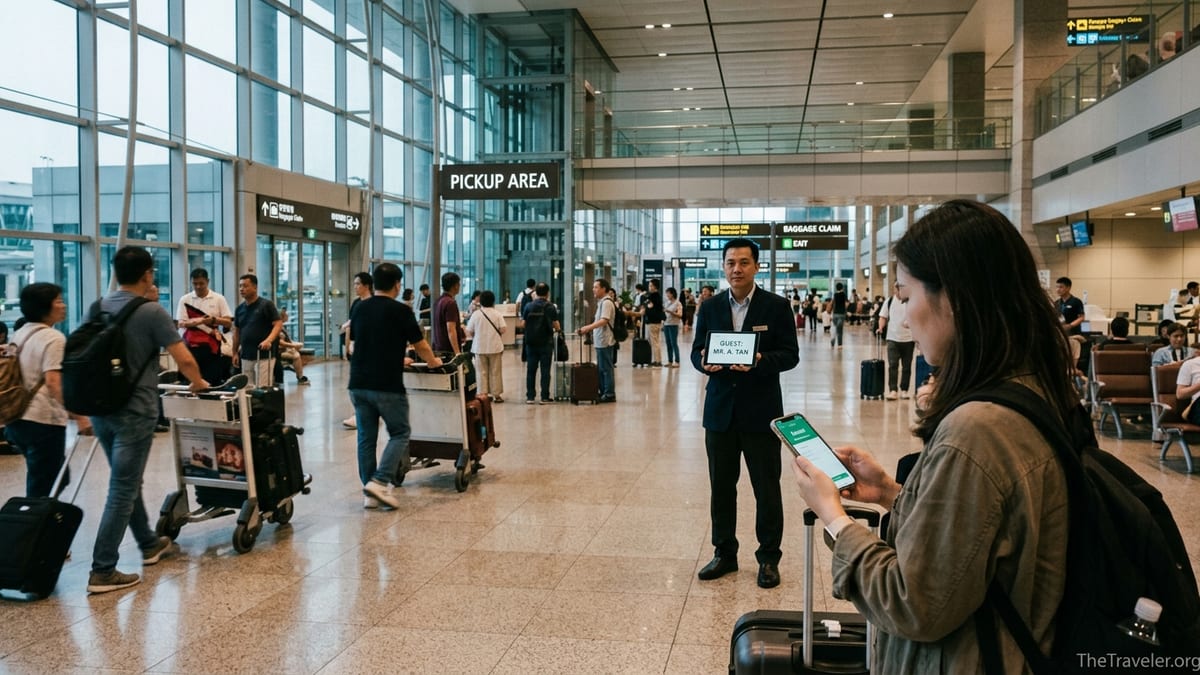
Airport transfers are one of the areas where Klook has invested heavily, especially around major Asian hubs. In practical terms, a Klook airport transfer is usually a private car, van or occasionally a shared shuttle operated by a local transport company. You choose your arrival airport, put in your flight details and destination hotel, pick a vehicle type and pay a fixed price. On arrival, a driver or representative is typically waiting in the arrivals hall with a sign or contacts you via messaging app, then takes you directly to your accommodation.
In Singapore, for example, Klook sells transfers from Changi Airport to central neighborhoods like Marina Bay, Orchard and Chinatown in standard sedans and minivans capable of handling small groups. Prices at recent exchange rates roughly match or slightly undercut the typical cost of booking a private airport car directly with a local limo company, especially when shared among three or four travelers. In Bali, Klook’s listed transfer options from Ngurah Rai Airport to popular areas such as Kuta, Seminyak or Ubud are often only marginally more expensive than arranging a private driver on arrival, but travelers willingly pay the difference to avoid haggling after a long flight.
The appeal grows stronger in destinations where late-night arrivals make taxis less predictable, language barriers are high, or local ride-hailing apps require a domestic phone number. In Seoul, a family arriving at Incheon after 10 p.m. with jet lag and large luggage might decide that a prepaid Klook van transfer to their hotel in Myeongdong is worth paying a few dollars more than the airport bus. Likewise, in cities like Bangkok or Kuala Lumpur, avoiding scams and negotiation at the arrivals curb can easily justify the extra cost of a fixed, prepaid transfer.
However, airport transfers are also where timing and communication issues can cause the biggest frustration. Some travelers report that when flights are significantly delayed or arrive outside a driver’s working hours, Klook’s local partner may not wait and the booking can be treated as a no-show depending on the fine print, leaving travelers to arrange their own taxis and then argue about refunds later. Others mention situations where drivers left after a certain grace period in the arrivals hall, yet the traveler was still clearing immigration or retrieving luggage. On Klook’s side, there are specific terms that allow operators to treat no-shows and major delays differently from standard cancellations, so reading those conditions is important if you are on a tight connection or a late flight.
Refunds, Cancellations and Customer Service Reality
Klook’s official policies provide a basic framework for refunds and cancellations, but the reality on the ground is nuanced. Generally, each product on Klook has its own cancellation rules listed under the “terms and conditions” or “cancellation policy” section. Many tickets and tours are labeled as non-refundable, particularly on busy dates or for limited-availability passes, while others allow free cancellation up to a specified time, commonly 24 to 72 hours before the activity. Klook’s overarching conditions state that if an operator cancels an activity outright, Klook will process a full refund to the original payment method, which matches what most rival platforms promise as well.
In practice, traveler experiences with refunds and changes are mixed. On the positive side, many users successfully receive quick automated refunds when they cancel within the free-cancellation window or when a tour is clearly canceled due to weather or operational issues. Some travelers in Asia report smooth experiences canceling airport services or adjusting bookings well ahead of time, with funds returning to their card or e-wallet without issue.
On the negative side, there are numerous accounts from travelers who struggled when bookings needed to be changed rather than canceled, or when something went wrong at the last minute. Common pain points include partial refunds in the form of platform credit instead of cash, long delays before refunds appear on credit card statements, and rigid adherence to cancellation rules even when travelers present medical certificates or evidence of flight disruption. Many of the sharpest complaints describe situations where Klook’s customer service acted as a gatekeeper between the traveler and the local operator, with neither side taking full responsibility.
The key lesson for travelers is to assume that Klook will follow the written policy on each product very closely. If flexibility matters, prioritize listings that are explicitly marked as “free cancellation” or “easy cancellation” before a certain cutoff and avoid non-refundable options unless the savings are truly significant. Use payment methods that make disputes easier if something goes seriously wrong, and keep all written communication with both Klook and the local operator for reference. This approach is equally wise on other marketplaces, but Klook’s large volume of budget-conscious travelers means policies can feel especially strict once something falls outside the rules.
When Klook Is Worth Using – And When It Isn’t
For many trips, the question is not whether Klook is good or bad, but where it fits into your overall booking strategy. There are clear scenarios in which using Klook makes a lot of sense. If you are traveling around East or Southeast Asia and want a one-stop shop for attraction tickets, shuttle buses and airport transfers, Klook is often one of the strongest options. Booking Osaka’s Universal Studios tickets, a Kyoto day trip, a Seoul food tour and a Singapore airport car in one app feels efficient and lets you manage vouchers from a single dashboard.
Klook also shines when you value language support and mobile tickets. English-language instructions, clear meeting-point descriptions and chat support within the app can be very reassuring in destinations where local booking sites are hard to navigate. Travelers who dislike printing or handling paper tickets will appreciate scanning QR codes from their phone at places like Hong Kong Disneyland, Taipei 101, or cable cars in Vietnam and Malaysia. Early-bird sales, promotional codes and seasonal campaigns targeting specific markets like Japan or Korea can further tilt the value equation in Klook’s favor.
On the other hand, Klook may not be your best first choice in regions where its coverage is noticeably weaker. In major European capitals, for example, local travelers and guides often recommend checking GetYourGuide or Viator first for guided walking tours, museum skip-the-line tickets or regional day trips, then using Klook mainly if you stumble on a particularly good deal or bundle. For US and Canada city trips, attractions’ official websites and North America–focused platforms may offer better curated tours and more transparent cancellation rules.
There are also situations where booking directly remains smarter even in Klook’s core markets. If you are buying an expensive single attraction ticket, like a premium observation deck experience or a theme park VIP pass, checking the official site can reveal special promotions or flex tickets that third-party marketplaces do not offer. Direct booking can also simplify problem resolution if something goes wrong on the day. In these cases, Klook serves best as a comparison tool rather than the final booking channel.
The Takeaway
In 2026, Klook is still a powerful tool for travelers, but it is not a magic key that is always cheaper or more reliable than every alternative. It is particularly worth using for tours, attraction tickets and airport transfers in Asia, where its deep inventory, localized pricing and practical extras such as SIM cards and transport bundles can save both money and frustration. Common use cases include pre-booking transfers from major hubs like Singapore Changi or Incheon, securing timed entry or express passes at busy attractions, and lining up day tours when you prefer a structured experience.
At the same time, Klook’s marketplace model means quality and service depend heavily on the underlying local operators, and its customer service and refund processes can feel rigid when plans change outside published terms. For destinations where rival platforms have stronger coverage, or for very high-value bookings, it remains wise to compare prices and policies carefully and to consider booking direct. Viewed in this realistic light, Klook is best treated not as an all-in-one solution, but as a useful part of a broader trip-planning toolkit.
If you are planning an Asia-focused itinerary, Klook is likely to earn a prominent spot in your browser tabs. If your travels are focused on Europe or North America, Klook is more of a supporting player you check selectively rather than your default starting point. Approach it with clear expectations, compare carefully, and use its strengths where they match your route, and Klook can be a very worthwhile partner for tours, attractions and airport transfers.
FAQ
Q1. Is Klook safe and legitimate to use for booking tours and tickets?
Klook is a well-established travel marketplace based in Asia and widely used by international travelers. The platform itself is legitimate, but the quality of each experience depends on the local operator behind it, so always read recent reviews and check the operator details before booking.
Q2. Is Klook usually cheaper than booking directly with an attraction?
Sometimes, but not always. Klook can be cheaper for popular attractions and bundled passes, especially in Asia, yet official attraction websites or other platforms occasionally match or beat its prices. It is best to compare final prices, including any fees, before you commit.
Q3. How reliable are Klook airport transfers compared with taxis or ride-hailing apps?
When things run on schedule, Klook airport transfers are generally reliable and convenient, with a driver waiting and a fixed price. Problems tend to arise when flights are heavily delayed or communication breaks down at arrivals, so share your flight details, watch for messages from the driver and read the no-show terms carefully.
Q4. What happens if an attraction or tour booked on Klook is canceled by the operator?
If the local operator cancels the tour or activity, Klook’s standard policy is to arrange a full refund to your original payment method. Processing times vary by payment provider, so it may take several business days for the refund to appear on your account.
Q5. Can I change the date or time of my Klook booking after paying?
It depends on the specific product. Some tickets and tours allow free changes up to a set deadline, while others are strictly non-changeable. The rules are listed on each activity page, so always check the change and cancellation section before booking if your plans are not fixed.
Q6. Is Klook better than GetYourGuide or Viator?
Klook is often stronger in East and Southeast Asia, while GetYourGuide and Viator usually have better coverage and more options in Europe, North America and some other regions. For any given city, treat them as complementary: compare prices, reviews and cancellation terms, then book wherever value and flexibility are best.
Q7. How do Klook’s cancellation and refund policies work in practice?
Each activity has its own cancellation window and refund rules, and Klook tends to apply those terms strictly. If a ticket is marked non-refundable, exceptions are rare, even for illness or schedule changes. To keep flexibility, favor listings with free cancellation and avoid non-refundable deals unless you are very confident in your dates.
Q8. Are Klook reviews trustworthy when choosing a tour?
Klook reviews are written by people who have booked through the platform, which helps reduce fake feedback. However, like on any marketplace, ratings can skew positive and may not highlight every issue, so read several recent written reviews and look for consistent comments about punctuality, guide quality and organization.
Q9. Should I use Klook for hotel bookings as well as activities?
Klook does offer accommodation, but it is not its main specialty. Many travelers prefer to use dedicated hotel booking platforms or book directly with the property, then use Klook primarily for tours, attraction tickets and transfers where its strengths are clearer.
Q10. What is the best way to use Klook to get the most value?
Use Klook as part of a comparison strategy: check its prices and policies alongside official attraction sites and at least one rival platform, prioritize activities with clear meeting instructions and decent cancellation terms, and take special advantage of Klook in Asia, where its inventory and regional promotions are strongest.