


I first downloaded Klook years ago to shave a few dollars off tickets to a major theme park in Asia. I expected little more than a discount code machine for roller coasters and character selfies. What I did not expect was that, over time, the same app would quietly turn into a tool I now open for almost every part of a trip: airport transfer, metro cards, rail passes, eSIMs, cooking classes, city passes, even last minute car rental. Somewhere along the way, Klook stopped being just “that theme park ticket app” and became a surprisingly broad travel infrastructure in my pocket.
Get the latest updates straight to your inbox!
From Attraction Tickets To A Full Experiences Platform
Klook started in Hong Kong in 2014 and made its name by selling mobile attraction tickets and skip the line passes, especially around Asia’s big theme parks and sightseeing spots. Many travelers first encounter it the way I did: searching for better prices for places like Universal Studios Japan, Tokyo Disney Resort, or Gardens by the Bay in Singapore. The app built trust on those small but satisfying wins, like flashing a QR code at the gate and bypassing a long ticket queue.
Under the surface, though, the company kept expanding. Today Klook positions itself as an “experiences first” travel platform with hundreds of thousands of bookable products in more than two thousand destinations worldwide. That catalogue still includes the familiar headliners such as Universal Studios, Hong Kong Disneyland or Everland in South Korea, but it now stretches far beyond rides and roller coasters into local tours, ground transport, travel passes and day to day services that most travelers do not associate with a ticketing app.
What is striking when you open the app in 2026 is how the home screen has changed. Instead of only banners for “Top Attractions,” you see tabs for transport, car rental, eSIM and Wi Fi, city passes and airport transfers, often promoted alongside attraction deals. Regular users in Asia Pacific now use Klook as a planning tool not just for a single big day out but for stitching together the nuts and bolts of an entire trip.
This evolution reflects a broader shift in travel. Experiences and local logistics have become the messy middle of every itinerary. Flights and hotels are easily booked on airline sites or giant online agencies, but the “what do I actually do and how do I get around” part has remained fragmented. Klook’s bet has been to occupy that middle and digitize it, one activity and one transfer at a time.
Airport Transfers And Local Transport You Can Sort Before Landing
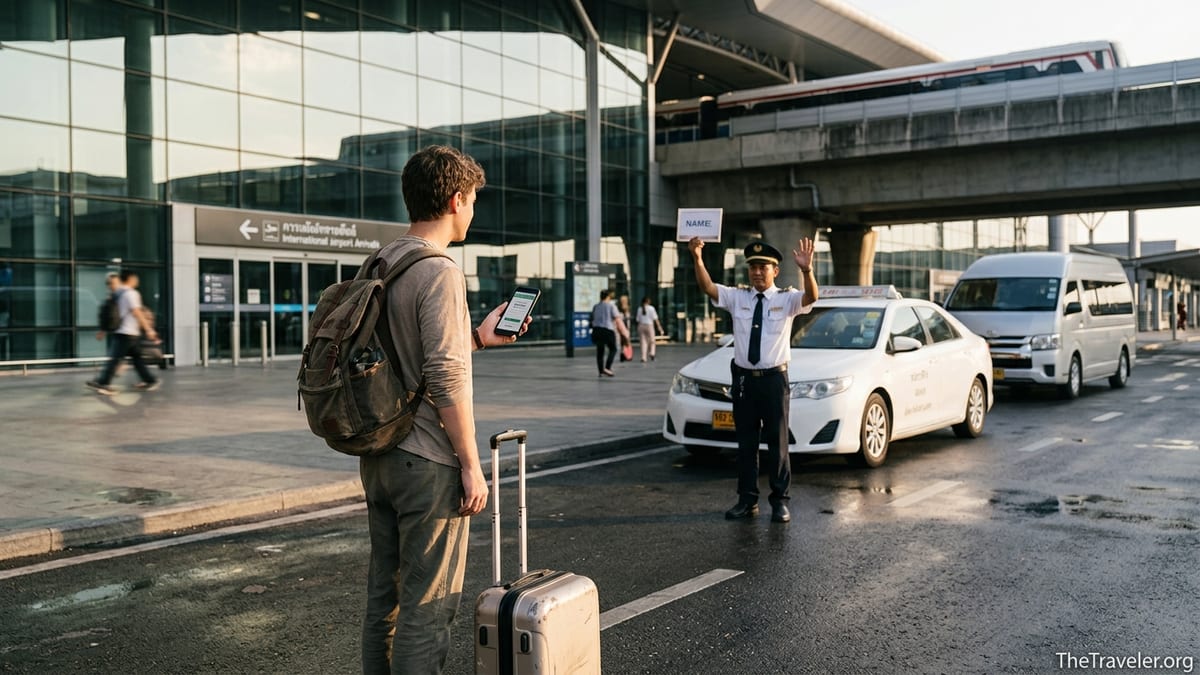
One of the clearest examples of how far Klook has moved beyond theme parks is its airport transfer and transport section. In many major Asian hubs, you can now prebook a private car, shared shuttle or even specific train products directly in the app. For instance, flying into Ho Chi Minh City you can arrange a private transfer from Tan Son Nhat International Airport to District 1, complete with driver details and a fixed price shown before you fly, rather than haggling with taxis at the curb.
The same pattern appears in Bangkok, Bali, Tokyo and Seoul: Klook lists sedans, vans or minibuses with capacity, luggage limits and clear cancellation terms. Families landing late at night in Bangkok often choose a prebooked van from Suvarnabhumi or Don Mueang airports to their hotel in the city center, treating it as peace of mind insurance. Those arriving in Osaka can buy airport limousine bus tickets or pre arrange a transfer from Kansai International Airport to central Osaka or Kyoto, receiving a digital voucher they show at the counter.
Klook also ties into existing public transport systems. In Kuala Lumpur, for example, the KL TravelPass combines an airport train ticket on the KLIA Ekspres with two days of unlimited rides on city LRT, MRT and monorail services, and Klook sells this product alongside its own transfer listings. Similarly, in Singapore, travelers use Klook to purchase stored value transport cards or preloaded payment cards that work on MRT and buses, sometimes bundled with credit that can be used at convenience stores or attractions.
These are not the splashiest parts of a holiday, but they are the stressful ones. Instead of figuring out which counter to queue at, which card to buy or how to explain your hotel address to a driver, you show a confirmation screen and walk to a clearly marked meeting point. That simplicity is precisely the sort of value that never appears on Instagram but makes a rough travel day substantially smoother.
Rail Passes, Metro Cards And City Passes In One Place
Another area where Klook has grown is rail and city passes, particularly in Japan and South Korea. Many visitors to Japan now buy their Japan Rail (JR) passes or regional rail products through Klook, which issues an exchange order or voucher that you then redeem at a JR office or at designated counters such as at Narita Airport or Osaka Kansai Airport. Travelers report using Klook for nationwide JR passes, Tokyo wide passes and regional passes for areas like Kansai or Hokkaido, often because the app allows them to pay in their home currency and see promotions clearly listed.
Beyond long distance rail, Klook offers a range of city tourist passes that knit together attractions, buses, subway lines and sometimes even bike rentals. The Discover Seoul Pass is a good example. Through Klook, visitors can choose a 24, 48 or 72 hour version which includes entry to major Seoul attractions plus access to services like the Airport Railroad Express (AREX), airport limousine buses and city tour buses. More recently, the pass has added an optional mobile eSIM, meaning you can pick a version that combines attractions, transport and mobile data in a single digital purchase.
Klook lists similar bundled passes in Tokyo, Osaka, Busan, Singapore and Hong Kong, where tourist cards might cover metro travel, cable cars and observation decks. In practice, this changes how you plan a city break. Instead of separately buying metro passes, museum tickets and airport train tickets, you can search Klook for a city pass product, compare what is included and decide if the flat fee works out. For many visitors, the real benefit is less about shaving off the last dollar and more about cutting down the mental admin of juggling multiple ticket types across different websites.
It is worth mentioning that Klook acts as a reseller rather than the original operator for many of these products, so prices are not always the lowest available. Some travelers comparing European city passes, for example, find that Klook can be more expensive than specialist local providers. The advantage is convenience and language support across many markets in a single app, but it remains smart to check official prices where possible before committing.
Connectivity, eSIMs And The Quiet Rise Of Travel Essentials
Few people expect a theme park ticket app to help them get online overseas, yet connectivity products have become a noticeable part of Klook’s catalogue. In most major Asian destinations you can now buy physical SIM cards with airport pickup, portable Wi Fi routers, or increasingly popular eSIMs that activate via a QR code. In Singapore, for instance, Klook sells local SIM cards that travelers collect at designated counters in Changi Airport along with high data allowances suitable for short stays.
South Korea is another hotspot for these services. Klook offers eSIMs and physical SIMs from local telecom providers that can be booked ahead of time and activated on arrival in Seoul, Busan or Jeju. For digital nomads or remote workers, this means arrival without hunting for a kiosk or worrying about store opening hours, and it lets you compare providers and data packages in English rather than deciphering local websites.
The rise of eSIMs in the last few years has allowed Klook to lean further into digital travel essentials. Instead of collecting a plastic card, some products now send you an activation email with a QR code that you scan on your phone to download the eSIM profile. Some city passes, like the mobile version of the Discover Seoul Pass, even bundle a one day eSIM or discounted multi day eSIM option into the pass, blurring the line between an attraction pass and a connectivity product.
These offerings are not without criticism. A handful of travelers have reported issues with specific eSIM products not working smoothly with certain phones or networks and feeling that support from both Klook and the underlying telecom provider was slow. As with any travel essential, it pays to read recent reviews on the product page, pay attention to details like compatibility and activation windows, and avoid leaving activation until you are already standing in an arrival hall trying to call a driver.
Local Tours, Day Trips And Hands On Experiences
Beyond logistics, Klook has doubled down on the sort of local experiences that began as its core. In Japan and Thailand, for example, the platform sells a huge variety of day tours: Mount Fuji excursions from Tokyo, island hopping to Phi Phi or James Bond Island from Phuket, temple and street food tours in Bangkok, and cultural walks in Kyoto or Osaka. These are usually operated by small local companies who lack the marketing muscle to reach foreign travelers directly, and Klook provides them with digital storefronts, scheduling tools and translated descriptions.
Food and culture have also become a major category. Travelers use Klook to book ramen making classes in Tokyo, kimchi workshops in Seoul, tea ceremonies in Kyoto or home style Thai cooking experiences in Chiang Mai. In Europe, options include walking tours of historic neighborhoods, wine tastings in Lisbon or Barcelona, and skip the line entry to landmarks paired with guided commentary. The quality can vary by operator, but having verified photos, guest reviews and clear cancellation rules inside the app reassures many first time visitors who might otherwise hesitate to commit.
What stands out here is the shift from passive sightseeing to participatory travel. Instead of just buying entry to a tower or a museum, you are booking half day experiences that connect you with local guides, small restaurants and neighborhood studios. For solo travelers and small groups who feel overwhelmed by choice, Klook’s sorting by rating and popularity helps surface reliable options without spending hours cross referencing separate blogs and booking systems.
Of course, the intermediary role cuts both ways. Local operators must share a slice of their earnings with the platform, and in some destinations, experienced travelers still prefer to book directly to keep more money in local hands. The sweet spot for many users is to rely on Klook for complex or language heavy bookings like theme parks and intercity transport, while still seeking out independent operators for ultra local activities once on the ground.
Stays, Car Rentals And The Edges Of An All In One Platform
Klook has also pushed into areas that edge towards a traditional online travel agency, particularly in markets where domestic travel demand is strong. The platform now lists selected hotels and staycation packages that bundle a night in a property with extras such as spa credits, dining vouchers or late checkout. During periods when international travel was restricted, these staycation deals in city hotels across places like Singapore, Hong Kong and Bangkok became a core product for Klook, showcasing its ability to adapt beyond classic tours and tickets.
Car rental is another relatively new pillar. In parts of South Korea, Taiwan, Australia and New Zealand, Klook lets you compare car categories, insurance options and pickup points much like a dedicated rental site. For example, a family visiting Jeju Island might book a compact SUV via Klook, knowing they can pay with the same account they used for their island tour and local SIM card, and that support is consolidated in one app. The inventory typically comes from established rental brands, with Klook providing a friendlier booking interface for travelers less comfortable navigating local sites.
Insurance and small add ons fill in the remaining gaps. On some bookings, you will see options for travel insurance, luggage protection or date change flexibility. In other cases, Klook promotes meal vouchers, photo packages or express add ons for major attractions. These incremental products can feel like upsells, but they recognize that many travelers today are piecing together multi part experiences rather than just buying a single entry ticket.
Together, stays, rentals and add ons highlight Klook’s ambition to be present at nearly every touchpoint after you have chosen a destination and a flight. It is not trying to replace flight search engines, but rather to own the set of decisions that begin when you ask: “Okay, I land at 9 pm in Tokyo, then what?”
How To Use Klook Wisely: Value, Flexibility And Fine Print
With all these new categories, it is worth asking when it actually makes sense to use Klook and when you might be better off booking elsewhere. The biggest strengths of the platform are convenience, language support and bundled discounts. Many travelers appreciate being able to pay for a Universal Studios Japan ticket, a Kansai airport transfer, a Kyoto day tour and a local SIM all on one app, often with coupon codes or app only promotions that shave a modest percentage off the total.
At the same time, being a reseller means Klook adds a layer between you and the company actually operating your tour, transport or pass. If something goes wrong with a rail pass or an airport pickup, you are dealing both with the underlying operator and with Klook’s customer service. Some users describe smooth resolutions, while others complain of slow responses or difficulty getting refunds when local partners refuse to cooperate. As with any middleman, this is the tradeoff for having a multilingual booking platform that aggregates global inventory.
There are a few practical habits that help maximize benefits while minimizing surprises. First, always compare prices with the official operator website for big ticket items such as theme parks, rail passes and city passes. In many Asian destinations Klook is competitive or occasionally cheaper due to promotions. In parts of Europe, reviews suggest it can be noticeably more expensive than booking direct. Second, read recent user reviews carefully, especially for eSIMs, airport transfers and niche guided tours, where quality can vary significantly between local partners.
Finally, pay attention to fine print on validity, date changes and cancellation rules. A Japan Rail pass voucher may have a specific window in which it must be exchanged. A city pass might start counting down from first use rather than from the purchase date. Some airport transfers allow free cancellation up to a certain number of hours before pick up, while others are nonrefundable. Klook’s interface generally surfaces these rules clearly, but it remains your responsibility to check that what you are buying matches your real world schedule.
The Takeaway
If your mental image of Klook is still frozen at “that app for cheap theme park tickets,” it is probably several years out of date. In 2026, Klook functions more like a flexible layer of travel infrastructure that sits between flights and hotels on one side and the lived experience of a trip on the other. It bundles airport transfers, train passes, metro cards, eSIMs, city passes, car rentals, staycations, day tours and food experiences into a format that is approachable even for first time visitors navigating unfamiliar languages and transport systems.
That breadth comes with caveats. As with any large platform, not every deal is the absolute cheapest and not every local partner delivers the same standard. But used thoughtfully, with price comparisons and a bit of fine print reading, Klook can dramatically reduce the friction of planning and executing a trip, especially across Asia Pacific where its coverage is deepest. For many travelers, the journey from “I just wanted a discounted theme park ticket” to “I am organizing almost my entire itinerary here” happens one small, successful booking at a time.
The result is that you may find yourself opening Klook before you even think about park gates or roller coasters: to see which city pass best fits your route through Seoul, to sort out your Osaka airport train, to grab a local eSIM, or to reserve that cooking class you have always meant to try. In that sense, the platform has quietly become something larger than its origins, not by reinventing travel but by stitching together the dozens of unglamorous decisions that turn a flight and a hotel into a real journey.
FAQ
Q1. What is Klook best known for today?
Klook is still widely known for discounted attraction and theme park tickets, but it now also focuses heavily on in destination services like airport transfers, rail passes, city passes, eSIMs, local tours and travel essentials across thousands of destinations.
Q2. Is Klook cheaper than booking directly with attractions or operators?
Sometimes, but not always. In many Asian destinations Klook can be similar in price or slightly cheaper thanks to promotions, especially for theme parks, city passes and airport transfers. In some European cities, travelers report that Klook is more expensive than booking directly, so comparing prices with official sites before purchasing is a good habit.
Q3. Can I book airport transfers through Klook?
Yes. Klook offers private cars, shared shuttles and tickets for airport trains or buses in many major cities, including Bangkok, Tokyo, Osaka, Seoul, Bali, Singapore and Ho Chi Minh City. You receive a voucher or confirmation in the app, which you present to the driver or at a counter on arrival.
Q4. Does Klook sell Japan Rail passes and other rail products?
Yes. Klook is a reseller for various Japan Rail passes and regional rail products, as well as rail and metro passes in other countries. You usually receive an exchange order or voucher that you redeem at designated counters or stations, so checking the redemption points and validity windows before your trip is important.
Q5. What kinds of connectivity products can I buy on Klook?
Klook sells physical SIM cards with airport pickup, portable Wi Fi devices and eSIMs in many destinations, particularly around Asia. In places like Singapore and South Korea you can prebook high data packages and activate them easily on arrival, sometimes bundled with city or attraction passes.
Q6. Are Klook tours and activities operated by Klook itself?
Most tours and activities on Klook are run by local operators, not by Klook directly. The platform provides the booking system, payment processing and customer reviews, while local companies provide the guides, vehicles, equipment and on the ground service.
Q7. How reliable is Klook’s customer service if something goes wrong?
Experiences vary. Many travelers report smooth resolutions and refunds when plans change or small issues arise. Others describe slower responses or complications when disputes involve local operators. Treat Klook as a helpful intermediary, but understand that for complex problems there may be multiple parties involved.
Q8. Can I use Klook to book accommodation or staycations?
In some markets, yes. Klook lists selected hotels and staycation packages that bundle stays with extras like dining or spa credits, especially in places such as Singapore, Hong Kong and Bangkok. It is not yet as comprehensive as major hotel booking sites, but it can be useful for curated local deals.
Q9. Is it safe to pay through the Klook app or website?
Generally yes. Klook uses modern payment security measures and supports major credit cards and digital wallets. As with any online purchase, it is wise to use cards that offer fraud protection and to double check booking details before confirming.
Q10. How can I get the most value from using Klook?
Use Klook where it offers clear advantages, such as bundled city passes, complex attraction tickets, airport transfers, rail passes and language heavy bookings. Compare prices with official sites, read recent reviews, check cancellation policies and watch for seasonal promo codes or coupons to stretch your budget further.