


Perched high on the Posillipo hill, Parco Virgiliano is often whispered about as one of Naples’ finest viewpoints, yet many visitors never make it out that far. With limited days in the city, it is fair to ask whether this cliff-top park deserves a place on your itinerary or if you are better off sticking to central sights like Castel dell’Ovo and Spaccanapoli. The answer depends on what kind of trip you want from Naples, and how much you value sweeping seascapes, quiet green space, and local neighborhood life.
Get the latest updates straight to your inbox!
What Exactly Is Parco Virgiliano?
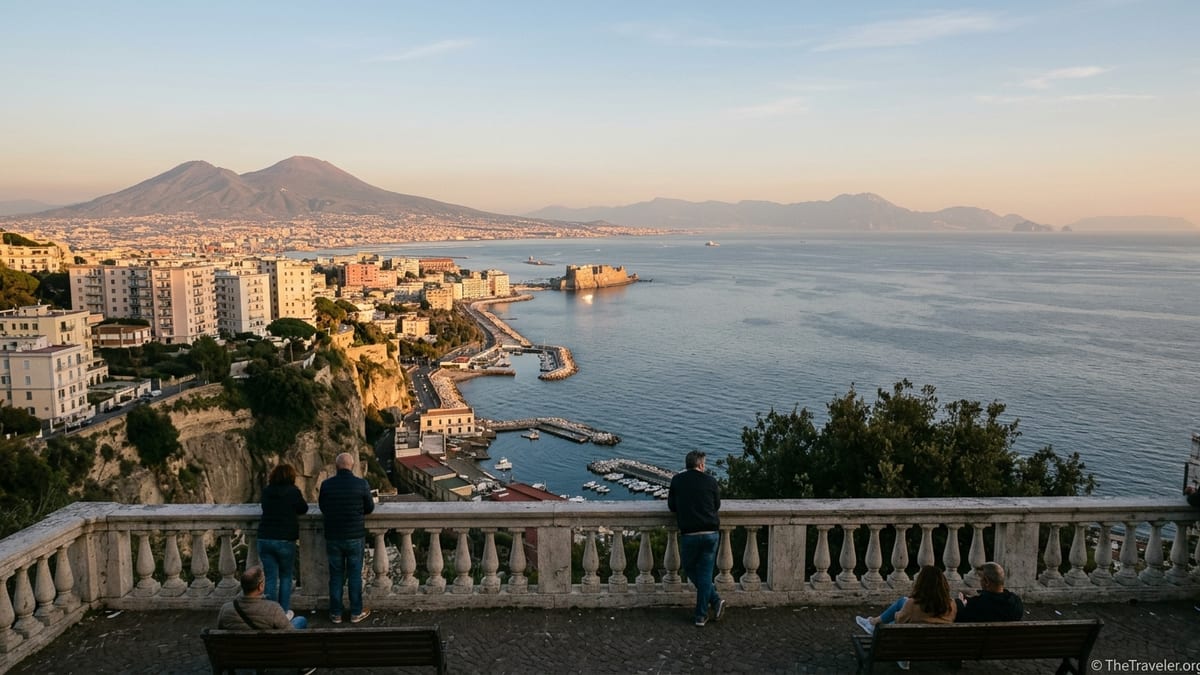
Parco Virgiliano is a panoramic public park on the Posillipo hill, roughly 150 meters above sea level, created in the early 1930s as a memorial park. Today it is one of Naples’ key green spaces, laid out on multiple terraces that step down the cliff edge. From those terraces you see the entire Bay of Naples in a single sweep: Mount Vesuvius, the historic center, the Sorrentine Peninsula and, on clear days, the islands of Capri, Ischia and Procida. Locals sometimes call it the "parco panoramico" because the main attraction really is the view rather than elaborate landscaping or monuments.
The park itself is simple but pleasant. Expect paved walkways, low stone walls, playgrounds, a small open-air amphitheater and patches of dusty grass where Neapolitan families spread out blankets for a picnic on Sunday afternoons. There are benches along the main belvederes, but the atmosphere is more neighborhood park than grand formal garden. Do not come here looking for manicured flowerbeds; come to watch the light change on the sea and the volcano.
It is also worth noting that Parco Virgiliano is different from Parco Vergiliano in Mergellina, which is a small park near the ancient crypt and the supposed tomb of Virgil. Travelers sometimes confuse the two when planning. If your goal is views over the Gulf, make sure you enter "Parco Virgiliano Posillipo" into your map or ask locals for the park in Posillipo.
Entry to Parco Virgiliano is free, which matters in a city where many of the classic viewpoints involve paid tickets to castles or museums. For budget travelers and families, that alone can justify making the trip, especially if you combine it with a walk or aperitivo in the surrounding Posillipo neighborhood.
The Views: How Good Are They Really?
Whether Parco Virgiliano is worth visiting often comes down to one question: are the views actually better than those you get from more central spots like Castel Sant’Elmo or the seafront promenade? In practical terms, they are not necessarily "better" but they are broader and more varied. From one terrace you can trace the curve of the bay from the port of Naples to the distant Sorrentine Peninsula while Vesuvius looms to the east. From another terrace you turn toward the west and look across to Nisida, the headlands of Pozzuoli and the Phlegraean Fields coastline.
For photographers and anyone who appreciates landscape, the park can be a highlight of a Naples trip. Imagine arriving about 45 minutes before sunset on a clear autumn day. The western terraces are lined with low railings, and beyond them the sea turns gradually from deep blue to copper. The white houses of Posillipo glow in the low light while far off you can make out the outline of Procida. Traveling couples often bring a takeaway pizza from a nearby pizzeria in Posillipo, sit on the wall, and watch the sky change color until the city lights begin to flicker on.
Compared with Castel Sant’Elmo, which looks straight down on the dense historic center, Parco Virgiliano gives you more of a coastal panorama. You see less detail in the streets and more of the geography of the bay. Travelers who enjoy orienting themselves and understanding how Naples, Vesuvius, the islands and the Phlegraean Fields all relate to each other often say this is the one place that makes the region’s layout click in their mind.
There is a trade-off. Because the park is farther from the center, haze can soften the outlines of Capri and Ischia on humid summer afternoons. On days when the air is thick, the viewpoint feels more atmospheric than sharply scenic. If clear views are a priority, it is worth checking the weather and air quality for the day and aiming for cooler seasons or visiting after rain or strong north winds, when visibility tends to improve.
Practicalities: Opening Hours, Cost and Facilities
For most travelers, the practical side of Parco Virgiliano is straightforward. Entry is free every day, and current municipal schedules indicate that the park typically opens in the morning and stays open until around 21:00, with slightly later closing on Saturdays and Sundays in the warmer months. Exact hours can shift with the seasons and local regulations, so it is sensible to confirm on arrival in Naples, for example by asking staff at your accommodation or checking posted notices at the gate.
Inside the park, facilities are basic. There are children’s playgrounds, some shaded seating areas and an amphitheater used from time to time for free or low-cost cultural events in summer, such as local concerts and community performances. You may find a simple kiosk or bar just outside or near the entrances selling drinks and snacks, but do not count on a full restaurant or wide choice of food. Many locals pick up sandwiches, pastries or slices of pizza in nearby Posillipo or Chiaia and bring them along. A typical takeaway option might be a margherita pizza for around 6 to 8 euros from a neighborhood pizzeria, plus bottled water or soft drinks from a corner shop.
Toilets are available but can be limited and not always in perfect condition, particularly at busy times. This is worth bearing in mind if you are visiting with small children or anyone with mobility needs. The main paths are mostly paved and gentle, but the park is laid out on different levels. While it is not a strenuous walk, wheelchair users and those with strollers may find some areas more practical than others, especially where there are steps between terraces.
Safety is generally not a major concern here during the daytime and early evening, when the park is filled with families, joggers and dog walkers. As in any large urban park, it is prudent to keep valuables out of sight and avoid the most secluded corners after dark. Most visitors find the atmosphere relaxed and friendly, especially on sunny afternoons when the terraces are busy with locals chatting on benches.
How to Get There and Fit It into Your Itinerary
One of the main reasons travelers skip Parco Virgiliano is its location. Posillipo is not part of the typical walking circuit that covers Piazza del Plebiscito, the seafront and the historic center. Reaching the park requires some planning. Public buses run from central Naples and Chiaia up to Posillipo, and ride-hailing services or taxis can take you directly to one of the park entrances. Depending on traffic, a taxi from the area around Piazza del Plebiscito might cost in the region of 15 to 25 euros one way and take 20 to 30 minutes.
If you prefer public transport, local buses from Mergellina or Via Caracciolo climb the hill to the Posillipo area. The ride itself can be scenic as you wind up through residential streets with glimpses of the bay between apartment blocks. Ticket prices are modest by European standards, but schedules can be irregular and buses may be crowded at commuter times. Allow extra buffer time, especially if you are trying to arrive at the park for sunset.
The park works well as part of a half-day focused on Posillipo rather than as a quick standalone visit. A common pattern for visitors is to spend the late morning exploring the seafront in Chiaia and Mergellina, perhaps stopping for a coffee and sfogliatella at a local bar, then taking a bus or taxi up to Posillipo in the mid to late afternoon. After a leisurely walk around Parco Virgiliano and a sunset stop on the western terraces, you can head to a nearby pizzeria or trattoria with a view for dinner before returning to your hotel.
Another option is to pair Parco Virgiliano with the Pausilypon archaeological area or a boat excursion from Posillipo’s small harbors. This creates a full day that mixes history, coastal scenery and neighborhood life outside the core tourist zones. For travelers staying in Naples three days or more, setting aside one afternoon and evening for this quieter corner of the city often feels like a welcome break from the intensity of the historic center.
Who Will Love Parco Virgiliano (and Who Might Skip It)
Parco Virgiliano is particularly rewarding if you fall into one of a few categories. Couples looking for a romantic sunset spot often rate it as a trip highlight. The combination of expansive views, a relaxed atmosphere and the relative absence of tour groups makes it feel more intimate than some central viewpoints. Sitting on a stone bench with a gelato while the islands darken on the horizon is a simple but memorable experience.
Families with children usually appreciate the open space. Where the historic center can be noisy and chaotic, the park allows kids to run, play in the playgrounds and ride scooters while parents enjoy the scenery. A practical example: a family staying near Toledo metro might spend the morning in the National Archaeological Museum, rest at the hotel during the heat of the day, then take a late-afternoon taxi up to Parco Virgiliano. After an hour of playground time and an easy picnic on the grass, they can watch the sunset and head back as the city cools off.
Photographers and landscape enthusiasts will likely find the trip more than worthwhile. The park allows you to capture wide panoramas with a 24–35 mm lens, layered compositions of Vesuvius behind the city, and long exposures of the sea at twilight if you bring a small tripod. Because the terraces face multiple directions, you can experiment with backlit scenes at sunset or side lighting in the morning.
On the other hand, travelers on very short stays may decide that the time and effort are not justified. If you only have one full day in Naples, you might get more out of exploring Spaccanapoli, visiting one of the castles and sampling local food in the Spanish Quarter. Parco Virgiliano is not a "must" in the same way that Pompeii or the historic center is. It is a quality-of-life stop: ideal when you have a bit of extra time and want to see how Neapolitans relax in their own city.
When Is the Best Time to Go?
The character of Parco Virgiliano changes noticeably with the time of day and season. Early mornings are quiet, with joggers and dog walkers enjoying the cool air. The light at this time falls from behind the city, which can make details of the historic center appear softer but gives a gentle, pastel tone to the sea and sky. If you value tranquility above drama, a morning visit works well, especially in high summer when temperatures climb quickly.
Late afternoon into sunset is when the park is at its most atmospheric. On fair-weather days from spring through autumn, locals start to arrive about an hour before sunset to claim a spot on the main terraces. Teenagers lean on the railings chatting, grandparents take grandchildren for a stroll and couples bring takeaway pizzas or paper cones of fried seafood from nearby takeaways. The scene feels lived-in, not staged for tourists. Plan to arrive at least 45 minutes before sunset if you want a front-row bench facing the sea.
Seasonally, spring and autumn strike the best balance between pleasant temperatures and relatively clear views. Winter can be excellent for visibility, especially after rain or strong north winds that clear the air, but it can feel exposed and windy on the cliff edge. Summer brings longer opening hours and the appeal of late, warm evenings, but haze is more likely and the park can be busier, particularly on weekends when local families escape the city heat.
For practical planning, think of Parco Virgiliano as an activity worth two to three hours, including transport time, if you are staying in central Naples. That makes it easier to slot into a three or four day itinerary without crowding out headline sights. If you are based closer to Posillipo or Chiaia, you may find yourself returning more than once, using it the way Neapolitans do: as a handy green escape when the city center feels overwhelming.
The Takeaway
So is Parco Virgiliano worth visiting during your trip to Naples? If you have more than a day or two in the city and you value wide-open views, quieter corners and a glimpse of everyday local life, the answer is yes. The park does not offer elaborate attractions or blockbuster monuments, but it delivers something that can be harder to find in Naples’ dense urban core: space, sea air and a sense of the whole bay laid out before you.
The trade-off is the detour. You will invest extra time getting up to Posillipo, and if you are on a tight schedule you may prefer to focus on central highlights. Yet for many travelers, an evening spent watching the sun sink behind the islands from Parco Virgiliano becomes one of their strongest memories of Naples. The visit costs nothing, requires only simple planning and pairs easily with a low-key neighborhood dinner.
If you picture your ideal Naples trip as more than a checklist of museums and churches, and you want at least one moment where you step back and see the entire landscape you have been exploring, Parco Virgiliano earns its place on the itinerary. Think of it not as an obligation but as a reward: a calm, panoramic pause in a city famous for its energy.
FAQ
Q1. Is Parco Virgiliano free to enter?
Yes, entry to Parco Virgiliano is free. You can walk in during opening hours without a ticket, which makes it an appealing option for budget-conscious travelers and families.
Q2. How long should I plan to spend at Parco Virgiliano?
Most visitors find that one to two hours inside the park is enough to stroll the terraces, take photos and enjoy the views, not including travel time to and from central Naples.
Q3. What are the typical opening hours?
The park usually opens in the morning and stays open until evening, often around 21:00, with slightly later closing on weekends in warm months. Hours can change, so check locally when you arrive.
Q4. What is the best time of day to visit?
Late afternoon leading into sunset is generally considered the best time, as the light is softer, temperatures are more comfortable and the western-facing terraces glow as the sun drops behind the islands.
Q5. How do I get to Parco Virgiliano from central Naples?
You can reach the park by public bus from areas such as Chiaia and Mergellina, or by taxi or ride-hailing service directly to the Posillipo hill. The journey typically takes 20 to 30 minutes depending on traffic.
Q6. Is Parco Virgiliano suitable for children?
Yes, it is popular with local families. There are playgrounds and open spaces where children can run and play, though parents should supervise near terrace edges and steps between levels.
Q7. Are there cafes or restaurants inside the park?
Food options inside the park itself are limited to simple kiosks at best, so it is wise to bring snacks or a picnic from nearby bakeries, supermarkets or pizzerias in Posillipo or Chiaia.
Q8. Is the park accessible for people with limited mobility?
The main paths are paved and relatively gentle, but the park is terraced and some viewpoints involve steps. Visitors with limited mobility can still enjoy parts of the park, though not every terrace will be easy to reach.
Q9. Is Parco Virgiliano safe to visit in the evening?
In the late afternoon and early evening the park is typically busy with locals and is generally considered safe, though, as in any large city park, it is sensible to avoid isolated areas after dark and keep valuables secure.
Q10. Is Parco Virgiliano worth it if I only have one day in Naples?
If you only have a single full day in Naples, you may prefer to focus on central sights like the historic center and waterfront. Parco Virgiliano becomes more worthwhile once you have at least two or three days and can spare a relaxed afternoon or evening.