


More news on this day
Dense fog over the Solent is disrupting cross-channel services just as thousands of music fans begin their journey to the Isle of Wight Festival 2026, prompting renewed warnings for passengers to check routes and build in extra time for crossings.
Get the latest news straight to your inbox!
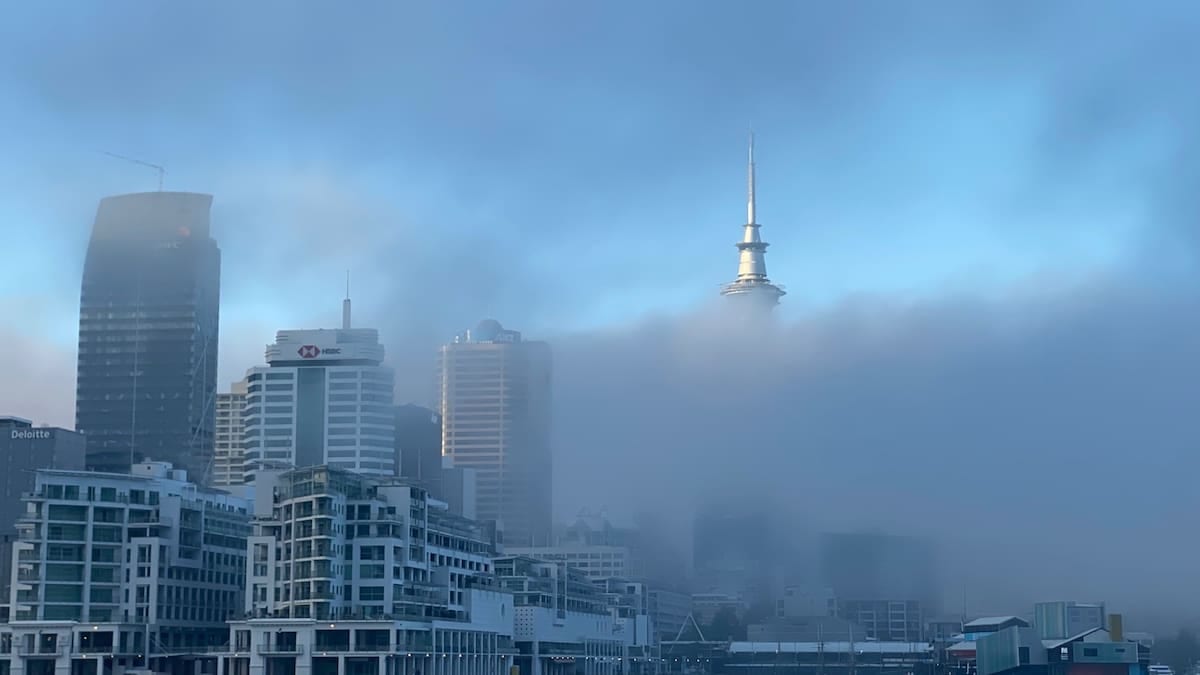
Low visibility complicates festival getaway
The Isle of Wight Festival is scheduled to run from 18 to 21 June 2026 at Seaclose Park in Newport, attracting tens of thousands of visitors from across the UK and beyond. The event typically relies heavily on cross-Solent links from Southampton, Portsmouth and Southsea, with additional sailings and late-night services timetabled to handle demand.
Weather data and marine forecasts today indicate a spell of dense, slow-moving fog over parts of the central Solent, reducing visibility and complicating navigation for ferries and fast catamarans. While services have largely continued to run, publicly available updates show a pattern of delays, minor timetable changes and warnings of possible short-notice disruption as captains reduce speed in poor visibility.
The Solent is normally served by vehicle and passenger ferries from Red Funnel and Wightlink, alongside the Hovertravel hovercraft link between Southsea and Ryde. These routes form the main gateway for festivalgoers, many of whom are travelling with tents and camping gear that limit their options if sailings are held or cancelled at short notice.
Reports from recent UK transport disruption related to fog suggest operators are likely to prioritise safety with cautious speeds and potential temporary suspensions when visibility drops below agreed thresholds. That pattern is now being reflected across parts of the Solent, increasing journey times as the festival weekend begins.
Ferry timetables under pressure as crowds build
Cross-Solent operators typically publish enhanced festival timetables in advance, including additional sailings on the Southampton to East Cowes and West Cowes routes and extra capacity on Portsmouth and Lymington links. For 2026, separate festival documents indicate a high-frequency pattern of Red Jet fast ferries between Southampton and West Cowes during the period from 17 to 22 June, designed to shuttle large numbers of foot passengers to and from the island.
The onset of dense fog means that, although extra crossings remain advertised, individual journeys may be slowed or in some cases consolidated to maintain safety margins. Marine navigation rules require masters to adjust speed and use sound signals and radar when visibility is restricted, which can have a noticeable knock-on effect on punctuality at peak times.
Travel forums and community reports from recent festival years highlight that even in normal weather, queues for vehicle ferries can build significantly at peak arrival and departure windows. With reduced visibility now affecting operations, regular island commuters are warning that those travelling for the festival should be prepared for longer-than-expected waiting times on both sides of the Solent.
The island’s temporary traffic orders, published ahead of the 2026 event, already anticipate heavy volumes around East Cowes and key approach roads during the festival period. The combination of fog-related delays and pre-planned traffic management could add complexity for drivers unfamiliar with local diversions and holding areas.
Advice for passengers heading to the Isle of Wight Festival
Travel guidance produced for festivalgoers and general Isle of Wight visitors emphasises the importance of checking live ferry information before setting out, particularly when adverse weather is in the forecast. With current fog patches affecting the Solent, that advice is taking on added urgency for those due to travel between 17 and 21 June.
Passengers are being encouraged, through operator channels and independent travel sites, to allow extra time for transfers, especially if they have connecting trains or coaches on the mainland. In several recent UK fog incidents, airlines and rail services have also experienced delays, increasing the risk of missed connections for those attempting tight itineraries.
Festival travel guides typically recommend foot passengers consider high-speed services or the hovercraft where possible, as these can sometimes recover schedules more quickly once visibility improves. However, in periods of dense fog all types of craft may be subject to restrictions, making flexibility and up-to-date information key to avoiding extended waits.
Motorists heading to East Cowes or Fishbourne are advised to check both sailing status and any shore-side traffic bulletins. Temporary freight marshalling areas and adjusted traffic flows around ferry terminals, introduced for the festival, could be activated earlier or for longer if delayed arrivals lead to congestion on approach roads.
On-island transport and safety considerations
Once on the Isle of Wight, most festivalgoers rely on shuttle buses, local taxis and walking routes to reach Seaclose Park. Fog that lingers into the evening can reduce visibility on rural roads and around the festival site itself, increasing the importance of clearly marked pedestrian routes and cautious driving near Newport.
Local transport information suggests additional shuttle services and late-night buses will run between the festival and key towns across the island during the event. If offshore fog spreads inland or returns overnight, services may operate more slowly, and demand for taxis could rise as some visitors seek alternatives to walking in reduced visibility.
Published accessibility and safety guidance for the festival stresses that visitors should use official route maps, stay on lit paths where available and wear high-visibility or light-coloured clothing when moving between car parks, campsites and the main arena after dark. Fog can make it harder for drivers to see pedestrians, particularly on stretches of road without pavements or street lighting.
Residents’ groups have previously raised concerns about the combination of heavy festival traffic, unfamiliar drivers and changeable coastal weather. This year’s fog-related disruption is likely to renew calls for visitors to keep speeds low on minor roads and to avoid parking in unmarked or obstructive locations near Newport and key ferry terminals.
What travellers should do now
With dense fog already reported over sections of the Solent and further patches possible over the coming 24 to 48 hours, travellers bound for the Isle of Wight Festival are being urged by publicly available guidance to monitor conditions closely and stay flexible about their crossing times.
Those yet to depart are advised to confirm reservations, enable service alerts from their chosen operator and plan for potential delays, including bringing additional food, water and warm clothing for any extended waits in terminals or vehicles. Travel planners note that fog can lift quickly but may also redevelop without much warning, making it sensible to assume that journey times will be longer than timetables suggest.
Passengers who are travelling on the busiest days, particularly Thursday 18 June and Friday 19 June, may wish to move crossings earlier where options exist, spreading demand more evenly and reducing the risk of last-minute congestion if visibility deteriorates again. For return journeys after the festival, similar caution is being recommended for the evening of Sunday 21 June, when both late-night sailings and post-concert departures typically coincide.
As the 2026 edition of one of the UK’s best-known music festivals gets under way, the evolving fog situation over the Solent is emerging as a key factor in travel plans. Those who stay informed and build additional time into their schedules are being told by independent travel advice sources that they are more likely to reach the island and the mainland smoothly, even if the weather does not cooperate.