


More news on this day
Chinese rolling stock manufacturer CRRC has activated an all-weather support programme for its light rail vehicles in Mexico’s three FIFA World Cup 2026 host cities, moving to safeguard capacity and reliability on the urban lines expected to carry hundreds of thousands of fans on match days.
Get the latest news straight to your inbox!
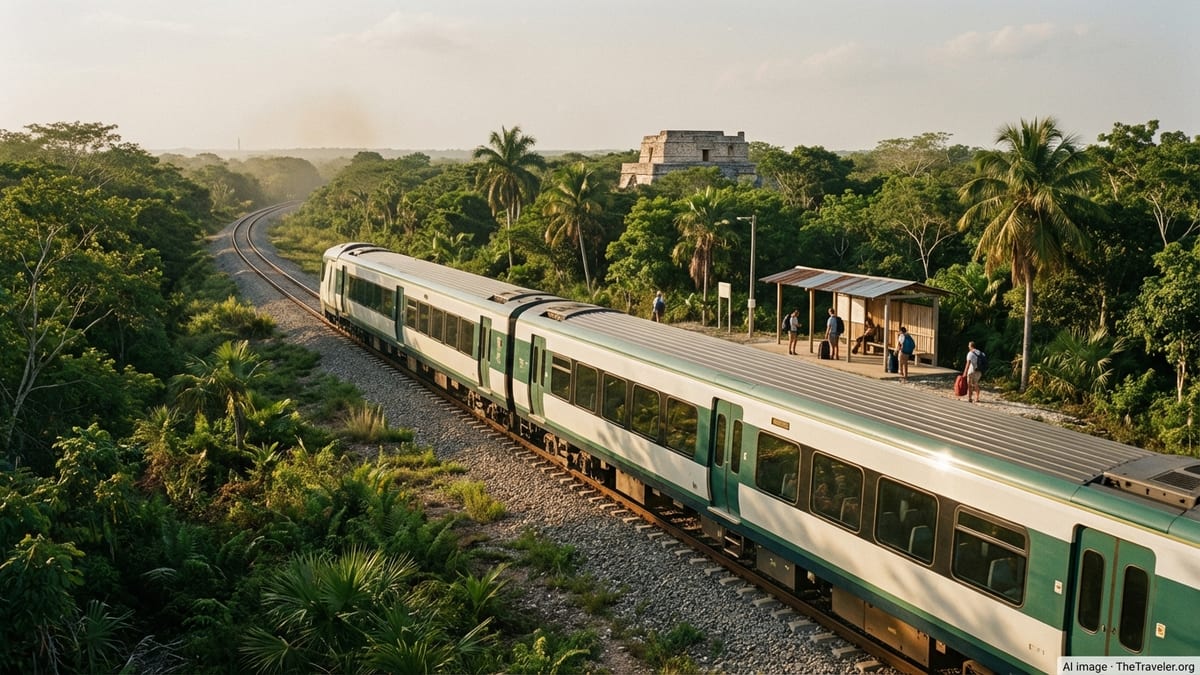
Fleet supports World Cup mobility push in Mexico
Publicly available information indicates that a fleet of 115 light rail vehicles supplied by CRRC is now central to the transport plans for Mexico City, Guadalajara and Monterrey during the tournament. The vehicles operate on upgraded and extended light rail and metro-style corridors that connect densely populated districts with stadiums and fan zones.
Reports describe the fleet as being configured to move more than 1.25 million passengers per day across the three cities at peak demand during the World Cup period, including opening and knockout-stage fixtures. That design capacity is intended to ease pressure on road networks and complement bus and trolleybus expansions that local authorities are also preparing.
In Mexico City, the vehicles are woven into an electrified mobility strategy that also features renewed light rail and expanded trolleybus routes serving the main World Cup venue. Regional coverage notes that city transport planners expect match-day services to run at significantly higher frequencies than usual, with priority given to corridors feeding the stadium and large fan gatherings.
In Guadalajara and Monterrey, the CRRC-built trains are integrated with existing suburban and metro systems that have been strengthened for the event. Information from local transport agencies shows special services and extended operating hours on match days so that fans can disperse more quickly after games and evening events.
All-weather rolling stock programme targets Mexico City conditions
According to recent corporate announcements, CRRC has launched an all-weather operation support programme focused on the specific operating challenges of Mexico City. The capital’s high altitude, seasonal heavy rain and sharp spikes in passenger demand on match days prompted the supplier to design a dedicated package of technical and maintenance support.
The programme includes continuous monitoring of fleet performance, targeted adjustments to braking and traction systems for the city’s gradients, and measures to protect components from water ingress during intense storms. The aim is to reduce the risk of service disruptions at times when large numbers of spectators will be depending on rail to reach stadiums and fan zones.
Public material from the supplier indicates that the support programme also involves close coordination with local operators on spare parts logistics and on-site technical teams. By pre-positioning components and specialist staff in depots along the World Cup corridors, the company is seeking to shorten response times if vehicles need unscheduled attention.
Industry reporting suggests that Mexico City is being treated as a reference case within CRRC’s wider global portfolio, with data from the World Cup period expected to inform future support programmes for major events and high-demand seasons in other cities.
Host city rail upgrades align with national investment plans
The rolling stock support initiative in Mexico sits within a broader effort to enhance public transport capacity ahead of the 2026 tournament. Federal authorities have previously outlined plans to channel substantial funding into mobility projects in the three Mexican host cities, including metro and light rail extensions and modernisation.
Statements from government figures over recent months have pointed to targeted investment in specific lines that intersect with World Cup venues. In Mexico City, resources are being directed toward key metro routes and electrified surface transport. In Guadalajara, attention has turned to rail links that connect central districts with Estadio Akron and associated fan areas, while in Monterrey the focus includes metro expansion toward the stadium corridor.
Within this context, CRRC’s rolling stock and support package forms one strand of a wider infrastructure upgrade programme that also involves station refurbishments, signalling enhancements and new interchanges between rail and bus services. Public policy documents highlight these works as part of a legacy strategy intended to improve daily mobility long after the final whistle.
Analysts following the preparations note that Mexico has positioned itself as a growing hub for rail manufacturing and maintenance in Latin America. The presence of international suppliers such as CRRC and other global rail firms is seen as reinforcing that trend, especially as they invest in local facilities and training tied to major projects like the World Cup.
Early match operations provide test for support measures
Initial matches and fan events in Mexico’s host cities are already offering a practical test of the rolling stock support arrangements. Local coverage from Guadalajara indicates that public transport moved tens of thousands of spectators to the city’s first World Cup game, with light rail and bus systems operating with extra units and extended hours.
Passenger data released by regional authorities shows strong uptake of rail services to reach stadiums and central fan festivals, helping to reduce road congestion around key venues. Observers have pointed to this early experience as an indication that the combination of additional rolling stock, targeted maintenance support and operational planning is starting to deliver on expectations.
In Mexico City, fan guides and travel advisories underline the importance of rail as the primary mode for reaching the main stadium, especially during peak days around the opening match and marquee fixtures. These materials recommend that visitors rely on light rail, metro and trolleybus services rather than private cars, and reference the enhanced capacity made possible by the upgraded fleet.
As the tournament calendar advances and the stakes rise, transport planners in all three cities are expected to make further refinements to timetables and crowd-management strategies. The rolling stock support programme is likely to remain a central tool in keeping high-frequency services running smoothly through the busiest days of the World Cup.
Legacy prospects for Mexico’s urban rail networks
Beyond the tournament itself, the deployment of a large, modern light rail fleet backed by a structured support programme is expected to shape Mexico’s urban mobility landscape in the longer term. Planning documents emphasize that the vehicles will continue to operate on core corridors once the World Cup is over, serving daily commuters as well as visitors.
Transport specialists argue that the intensive service patterns required for the tournament function as a stress test for both rolling stock and operating practices. Lessons learned about maintenance cycles, spare parts provisioning and real-time monitoring under peak loads are likely to influence how Mexican operators manage their fleets in future years.
For CRRC, the World Cup project is being viewed in industry circles as a showcase for the company’s ability to combine vehicle supply with lifecycle support in complex operating environments. Publicly available commentary notes that successful delivery through the tournament could strengthen the supplier’s position in future bidding processes across Latin America and beyond.
For host cities and residents, the most visible legacy may be more frequent, reliable and environmentally focused rail services that outlast the month-long event. If the rolling stock support measures perform as intended, the World Cup could mark a turning point in how Mexico’s major cities plan, operate and sustain their electric rail systems.