


More news on this day
An American Airlines flight forced to divert for fuel conservation is drawing scrutiny after passengers reported being stranded in Philadelphia for hours with limited information, scarce assistance, and no workable alternatives to reach their original destination.
Get the latest news straight to your inbox!
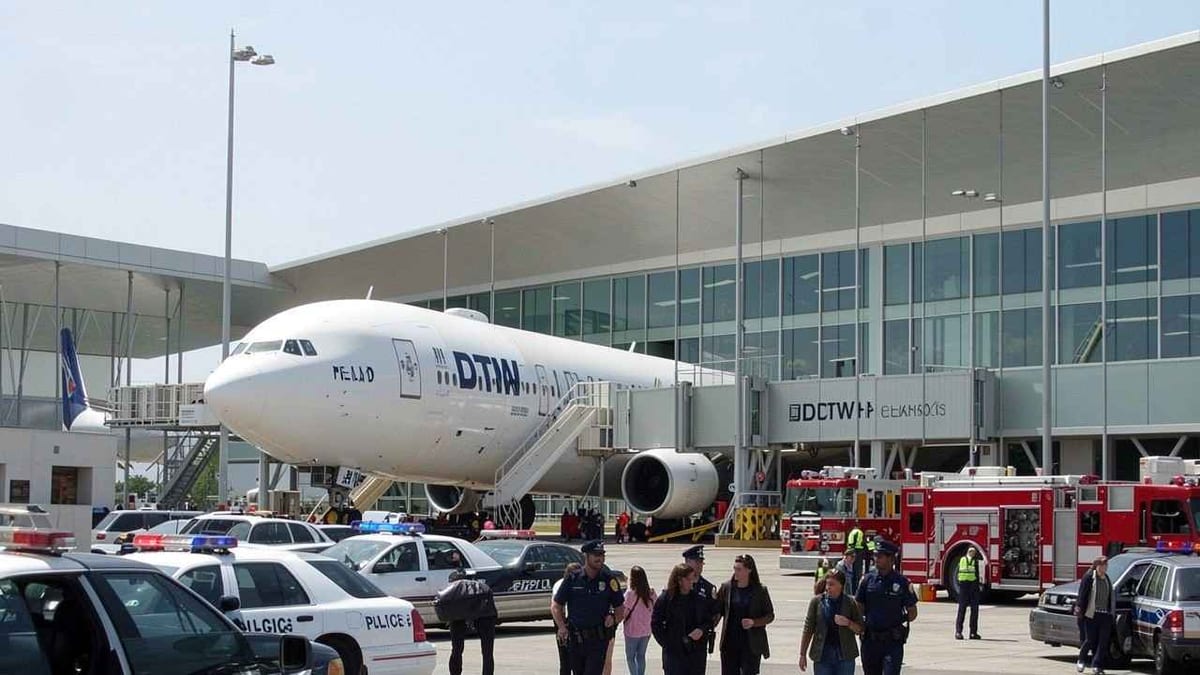
Fuel Diversion Turns Routine Flight Into Lengthy Ordeal
According to published coverage from aviation industry outlets, the disruption began on July 16, 2026, when American Airlines flight AA1049 from Dallas Fort Worth to New York was ordered to divert to Philadelphia because its fuel reserves were no longer considered sufficient for the aircraft to safely continue to John F. Kennedy International Airport. Flight-tracking data and operational summaries indicate that the aircraft had already experienced delays before the diversion, contributing to higher fuel burn and narrowing safety margins.
Reports indicate that once on the ground in Philadelphia, the aircraft remained parked while crews evaluated options. Initially, passengers were instructed to stay on board as airline personnel weighed whether the plane could refuel and continue or if the flight would be terminated in Philadelphia. Over time, the delay stretched, and the cabin reportedly became increasingly tense as travelers struggled to obtain clear timelines for departure or rebooking.
Publicly available accounts state that the crew ultimately directed the entire cabin to disembark and wait in the terminal. At that point, the original point to point service to New York was effectively abandoned, leaving passengers facing a patchwork of rebooking attempts, missed connections, and the challenge of navigating one of the busiest travel periods of the summer from an unplanned intermediate airport.
Aviation analysts note that diversions linked to fuel management are relatively rare in the United States on short haul routes, given conservative planning requirements. However, congested airspace, ground delays, and weather related reroutes can steadily erode margins, forcing flight crews to make midcourse decisions that prioritize safety over schedule, sometimes with severe knock on effects for customers.
Passengers Report Being Left With Few Practical Options
In the days after the incident, passenger narratives gathered across social media and travel forums described a confusing and often frustrating experience after the diversion. Several accounts suggest that once the flight was terminated in Philadelphia, automated rebooking tools and gate agents struggled to cope with a large volume of disrupted itineraries, leading to long lines and conflicting information about onward travel to New York.
Some travelers reported being offered same day standby seats on already congested shuttle services into the New York area, which provided little certainty about arrival times. Others described receiving rebooking options on flights scheduled for the following day or on routes involving additional connections that added hours of travel time. For passengers with fixed commitments in New York, including international departures and time sensitive events, these alternatives were described as effectively unusable.
Accounts shared publicly also highlight limited assistance with ground transportation. While some passengers were eventually able to secure seats on later flights or make their own way north by train, others said they were left to arrange and pay for last minute travel between Philadelphia and New York by themselves. Several travelers characterized the support on the ground as reactive and improvised rather than part of a clear contingency plan for an emergency diversion.
Consumer advocates argue that although airlines are not responsible for air traffic or weather related disruptions, they retain responsibility for managing the passenger impact when a safety driven decision such as a fuel diversion leaves travelers stranded hundreds of miles from their destination. In this case, critics contend that the mechanics of safely landing the aircraft were handled effectively, but that the customer care response lagged far behind the operational reality.
Emergency Diversions Underscore Tension Between Safety and Service
The incident in Philadelphia comes amid heightened public attention on how U.S. airlines respond when flights are forced to divert unexpectedly. Other recent American Airlines diversions for mechanical or fuel related reasons, including high profile events involving transatlantic services, have similarly left passengers facing extended delays, aircraft swaps, and complex rebooking processes.
Industry data and regulatory guidance emphasize that flight crews must always err on the side of safety when fuel reserves approach required minimums, especially when weather, congestion, or holding patterns threaten to push consumption higher than planned. In practice, that can mean diverting to a closer airport, even late in the flight, and accepting substantial disruption to the airline’s schedule and passengers’ plans.
Aviation specialists note that while such diversions are disruptive, they are also evidence of safety protocols functioning as designed. The core criticism in the Philadelphia case has not focused on the decision to divert, which observers generally view as prudent, but rather on what happened after the aircraft parked: the communication gaps, limited clarity over timelines, and the absence of immediate, structured options to complete journeys.
Recent enforcement actions and policy discussions at the federal level show a growing regulatory focus on how airlines handle lengthy tarmac delays, overnight strandings, and mass disruptions. While fuel related diversions are typically categorized as safety events, consumer groups argue that the downstream handling of passengers should be evaluated under the same lens as other irregular operations where travelers are left without practical means to reach their destinations.
Growing Scrutiny of Airline Obligations During Irregular Operations
The Philadelphia diversion has added to broader scrutiny of American Airlines and other major carriers over how they manage irregular operations, particularly during peak travel seasons and large scale disruptions. Recent summers have seen airlines subject to weather events, technology outages, and ground stops that have stranded passengers in hubs and diversion airports across the network.
Travel rights organizations point out that, in the United States, airline obligations during disruptions depend heavily on the reason for the delay or cancellation, and that passengers have fewer automatic protections compared with those traveling within the European Union. In incidents framed as necessary for safety, such as fuel related diversions, carriers are generally not obliged to provide compensation, though they retain broad discretion to offer meal vouchers, hotel stays, or rebooking on other airlines.
Publicly available information indicates that in some recent American Airlines diversion cases, passengers received apologies and limited goodwill gestures, while in others they were advised to seek remedies through customer relations channels after travel was completed. The variability in outcomes has fueled calls for more consistent minimum standards governing food, lodging, and alternative transportation when travelers are left stranded far from their destination through no fault of their own.
Policy analysts suggest that incidents like the AA1049 fuel diversion are likely to inform ongoing debates about a federal passenger bill of rights and the transparency of airline customer service commitments. As carriers fine tune their operations for a busy travel period, the Philadelphia episode offers a case study in how quickly a routine domestic flight can unravel when operational margins tighten, and how the adequacy of the response on the ground can shape public perceptions long after the safety risk has passed.