


More news on this day
Escalating wildfire activity in British Columbia’s South Cariboo region has prompted fresh travel warnings ahead of the upcoming long weekend, as local emergency bulletins highlight expanding evacuation orders, unstable fire behaviour and strict limits on backcountry access.
Get the latest news straight to your inbox!
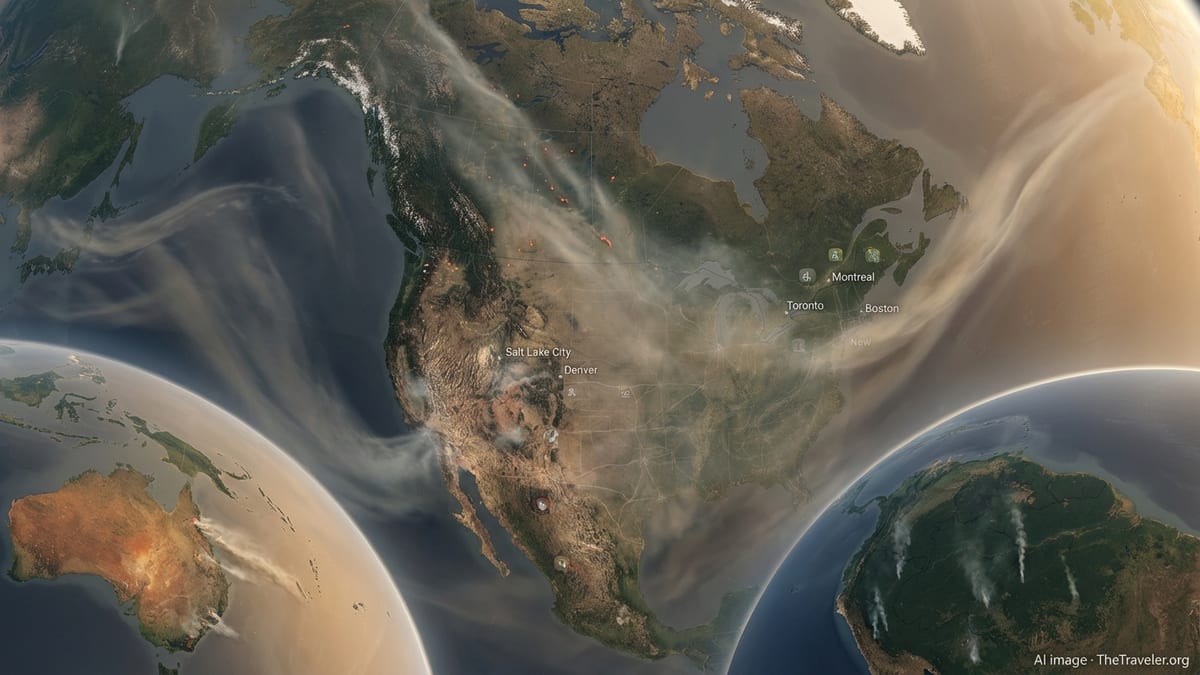
Expanding wildfire zone reshapes South Cariboo travel plans
Recent wildfire growth in the broader Cariboo Fire Centre has intensified concerns for communities and recreation areas in the South Cariboo, including corridors commonly used by long-weekend travellers. Publicly available wildfire maps and regional emergency notices show multiple large fires burning in the interior, with several listed as out of control and continuing to generate new evacuation alerts and orders for rural properties and lakeside areas.
In neighbouring parts of the Cariboo, evacuation documentation related to fires such as the Beef Trail Creek and Tsetzi Lake blazes describes significant threats to public safety and formal restrictions on travel in and out of affected zones. These legal orders emphasize that people must leave designated areas immediately and that non-essential movement into fire zones is prohibited, underscoring the seriousness of the situation for anyone planning to pass through the wider region.
While not every South Cariboo destination is under an active order, area alerts and the rapid evolution of nearby fire perimeters are affecting road access, visibility, and air quality. Travellers are being urged through public advisories and regional updates to consider whether their plans are essential, to avoid non-essential backcountry trips and to be prepared for abrupt changes in routes and conditions.
Government advisories highlight wildfire danger and fire-use bans
Provincial information bulletins issued in recent seasons provide a clear sense of how authorities approach long-weekend travel during heightened wildfire danger in the Cariboo. Recent guidance focused on holiday periods explains that when fire danger is high, people are strongly encouraged to stay out of the backcountry in affected fire centres, including the Cariboo, and to avoid visiting recreation sites where wildfire risk or operational needs require closures.
Current-year bulletins on long-weekend travel preparedness in British Columbia stress that most new fires at this time of year are human caused and therefore preventable. Publicly available information notes that Category 2 and Category 3 open burning is prohibited across the Cariboo Fire Centre, and that campfire rules can change quickly depending on local conditions. Residents and visitors are directed to check regional restrictions, municipal bylaws and park notices before lighting any fire.
The same guidance highlights the expectation of heavier traffic volumes on major routes as people head toward interior lakes, campgrounds and cabins. Travellers are advised to plan ahead, anticipate delays related to wildfire response and road closures, and ensure vehicles are in good condition to handle possible detours or slow-moving traffic near fire operations.
Evacuation orders, alerts and backcountry closures affect access
Recent evacuation orders within the Cariboo Regional District, including those tied to significant wildfires west and north of the South Cariboo, detail how local emergency managers use legal tools to control travel. These orders empower officials to restrict entry to defined zones, close secondary roads and forest service routes, and direct evacuees toward safer hubs such as Williams Lake or Prince George along designated corridors.
Even where the South Cariboo remains under alert rather than full evacuation, the cascading impact on travel is clear. Backroads that pass through or near order areas may be gated or patrolled, while visitors heading to lakes, trailheads or rural accommodations can find access cut with little notice. Public communications stress that these measures are designed to protect firefighting operations, ensure that residents can evacuate quickly if conditions worsen and reduce the risk of new human-caused ignitions.
Recreation-focused advisories, including those circulated by outdoor groups and local tourism forums, echo these cautions. Travellers are repeatedly reminded to verify whether a planned route crosses any evacuation alert or order area and to be prepared to change plans rather than attempt to pass through zones where emergency restrictions are in place.
Health, smoke and safety risks for visitors and residents
Beyond direct fire danger, smoke and air quality are becoming key concerns for those considering South Cariboo travel. Reports from residents across the interior describe persistent haze, reduced visibility and days of poor air quality as smoke from multiple fires drifts through valleys and over highways. Travellers with respiratory conditions, young children or older family members are being encouraged through public information campaigns to weigh these health factors alongside their leisure plans.
Wildfire research focused on evacuation behaviour and travel patterns during major fire events underlines how quickly situations can change once smoke thickens or road access is disrupted. Recent academic work on travel demand forecasting in wildfire conditions points to evacuation warnings, fire proximity and population shifts as critical drivers, suggesting that even short-notice alerts can dramatically alter traffic flows and strain local infrastructure.
For visitors, this means that a seemingly routine holiday drive can be affected by sudden closures, rapidly deteriorating visibility or the need to clear corridors for emergency vehicles. Travel experts and safety campaigns advise carrying extra water, keeping fuel tanks topped up, and ensuring that navigation tools are updated so alternative routes can be found without relying on local cellular networks that may be under pressure.
What travellers should do ahead of the long weekend
With wildfire danger elevated across much of the province, people heading toward the South Cariboo for the long weekend are being encouraged by public advisories and regional notices to plan conservatively. This includes reviewing current wildfire activity, checking for evacuation alerts and orders along planned routes, and monitoring highway conditions up to the time of departure. Travellers are also urged to confirm the status of campgrounds, cabins and resorts, as operators in fire-affected areas may change check-in procedures or cancel bookings in response to evolving conditions.
Government bulletins on long-weekend travel emphasize that anyone who chooses to visit the region must be prepared to follow all fire-use restrictions, including full campfire bans where applicable. Recommendations include using established cooking equipment instead of open flames, avoiding off-road driving through dry grass and never leaving any form of heat source unattended. People are also encouraged to familiarize themselves with local emergency reception centres and to keep a basic grab-and-go kit in their vehicle.
Ultimately, regional guidance frames the South Cariboo and the wider interior as areas where cautious, well-informed travel is essential until wildfire danger recedes. Those who can postpone non-essential trips are being asked, through publicly available messaging, to consider doing so, while those who proceed are expected to minimize fire risk, respect closures and remain ready to adjust plans quickly if conditions change over the long weekend.