


More news on this day
Air travellers to and within Italy on Saturday, June 13, 2026, are being urged to brace for delays and cancellations as coordinated strikes by airline crews, air traffic controllers and airport service staff are set to affect several airports across the country.
Get the latest news straight to your inbox!
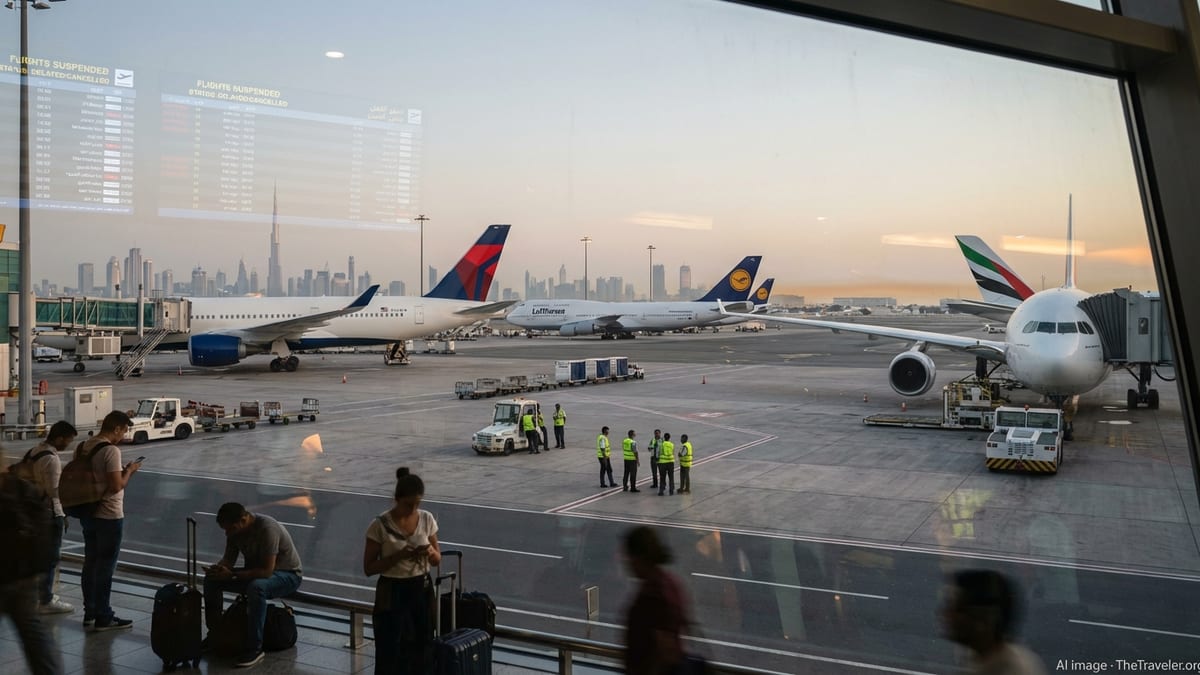
Coordinated walkouts set to hit Italian skies on June 13
According to publicly available strike calendars and Italian media coverage, June 13 has emerged as one of the most critical days for aviation in Italy this month. Industrial action involving flight crews, air navigation personnel and airport ground staff is planned across multiple locations, raising the likelihood of schedule disruption for domestic and international travellers.
The most prominent action concerns easyJet operations in Italy. Reports indicate that pilots and cabin crew employed by the carrier are scheduled to strike for 18 hours, from 06.00 to 24.00 local time, as part of a national protest affecting all easyJet flights to and from Italian airports. Travel advisories describe the potential impact as medium to high, particularly for routes concentrated at major hubs such as Milan and Rome.
In parallel, Italy’s air navigation service will be affected at Verona Airport, where air traffic control staff are due to observe an 18 hour stoppage during the same time window. Industry analyses note that even a localized air traffic control strike can have knock-on effects on nearby airspace, adding complexity to an already busy late spring travel period.
These walkouts follow a series of transport strikes in Italy this year, including earlier nationwide actions that hit rail and air services in May. Observers say the June 13 aviation protests are part of a broader cycle of industrial disputes over pay, staffing and working conditions in the country’s transport sector.
Airports and services most exposed to disruption
Travel-focused outlets and strike monitoring services highlight Verona, Cagliari and Milan Linate as the airports most exposed on June 13. At Verona, the planned 18 hour air traffic control action is expected to be the central operational challenge, potentially forcing airlines to reschedule or cancel flights during the strike window.
At Cagliari in Sardinia, staff employed by the Sogaer Group, which provides various ground and security services at the airport, are also scheduled to stage an 18 hour walkout overlapping with the national aviation strike period. Publicly available information indicates that this could slow check in, boarding and baggage handling, with delays likely even if flights themselves remain formally scheduled.
Milan Linate, one of the main gateways to Italy’s financial capital, faces a separate protest involving Sky Service personnel. Reports describe a four hour stoppage at Linate scheduled between midday and 16.00. While shorter than other actions on the same day, this targeted strike coincides with a busy mid day wave of departures and arrivals, raising the risk of queues and punctuality issues.
Beyond these focal points, easyJet’s national action means that airports across Italy, including major hubs such as Rome Fiumicino, Milan Malpensa, Naples and Venice, could see widespread schedule adjustments. Travellers transiting through Italy on connecting itineraries may be particularly exposed if one leg of their journey is operated by easyJet or routed via Verona.
How the strike window and Italian rules may shape delays
The June 13 aviation strike is framed within Italy’s long standing legal regime on essential public services. Publicly accessible guidance on previous transport strikes notes that national rules require the preservation of minimum services and designate certain “protected” time bands, typically early morning and evening peak hours, in which flights are more likely to operate.
However, the breadth and duration of the actions planned for June 13 suggest that disruption may still be significant, particularly in the middle of the day. With both easyJet crews and Verona air traffic controllers scheduled to stop work for 18 consecutive hours, analysts expect airlines to trim flight programs in advance, prioritising key routes and rebooking affected passengers where possible.
Past Italian aviation strikes have often resulted in substantial cancellation rates within the declared strike window, followed by residual delays that can persist into the following day. Travel risk assessments published after a major air traffic control and airline strike in May noted that even an 8 hour stoppage could lead to double digit percentages of flights being cancelled and a cascading impact on connections.
In this context, June 13 is being flagged by several travel advisory services as a high risk date for disruption, especially for travellers relying on tight connections between flights or between air and rail. Commentators recommend building generous buffers into itineraries and, where feasible, avoiding same day flight to train transfers that leave little margin for delay.
Practical guidance for travellers flying on June 13
For passengers already booked to travel to, from or within Italy on June 13, publicly available advice from consumer organisations and travel media converges on several practical steps. First, travellers are encouraged to monitor their airline’s app or booking management system closely in the days leading up to departure, as many carriers may proactively adjust timetables or offer voluntary rebooking options.
Those flying with easyJet are viewed as particularly exposed, given the national scope of the crew strike. Travel experts suggest that passengers review alternative departure times on the same route, or in some cases alternative airports, and consider moving to flights outside the declared strike window if airlines permit free changes.
Passengers departing from or arriving into Verona, Cagliari or Milan Linate are also advised to arrive at the airport earlier than usual and to travel with carry on luggage where possible to reduce reliance on potentially disrupted baggage services. In addition, travellers with onward connections by train or long distance bus on the same day are being urged to check whether tickets can be made flexible or whether connections can be rebooked to later departures.
Several travel planners note that, although complete shutdowns are rare under Italian strike rules, the combination of staff shortages, adjusted flight programs and heavier than usual crowds can still lead to long queues at security and check in. Building extra time into transfers and keeping essential items in hand luggage are therefore being presented as sensible precautionary measures.
Broader context of transport unrest in Italy this summer
The June 13 aviation strike comes amid a wider calendar of transport disruptions affecting Italy in late spring and early summer 2026. National rail services are already set for a separate high impact strike on June 11, and further airport related walkouts are listed for early July, including another day of air traffic control action focused on northern Italy.
Industrial disputes have been particularly visible in sectors such as rail, aviation and local public transport. Coverage in Italian and international media links these actions to tensions over pay, working hours, staffing levels and investment in infrastructure, as unions seek to exert pressure during a period of strong travel demand.
For international visitors planning trips to Italy in June and July, this environment of recurring strikes underscores the need for flexible arrangements. Travel commentators suggest booking refundable or changeable tickets where possible, keeping hotel reservations flexible and building contingency plans for key travel days such as June 11 and June 13.
Despite the disruption risk, recent experience with Italian transport strikes suggests that most travellers are ultimately able to reach their destinations, albeit sometimes with delays or modified itineraries. Observers point out that timely information, careful planning and a degree of flexibility remain the most effective tools for minimising the impact of industrial action on holiday and business travel.