


More news on this day
Coach travel across Italy and wider Europe is shifting from a purely budget option to a core part of new, slower and more experiential journeys, as operators expand long-distance networks and policymakers look for lower-carbon alternatives to short-haul flights.
Get the latest news straight to your inbox!
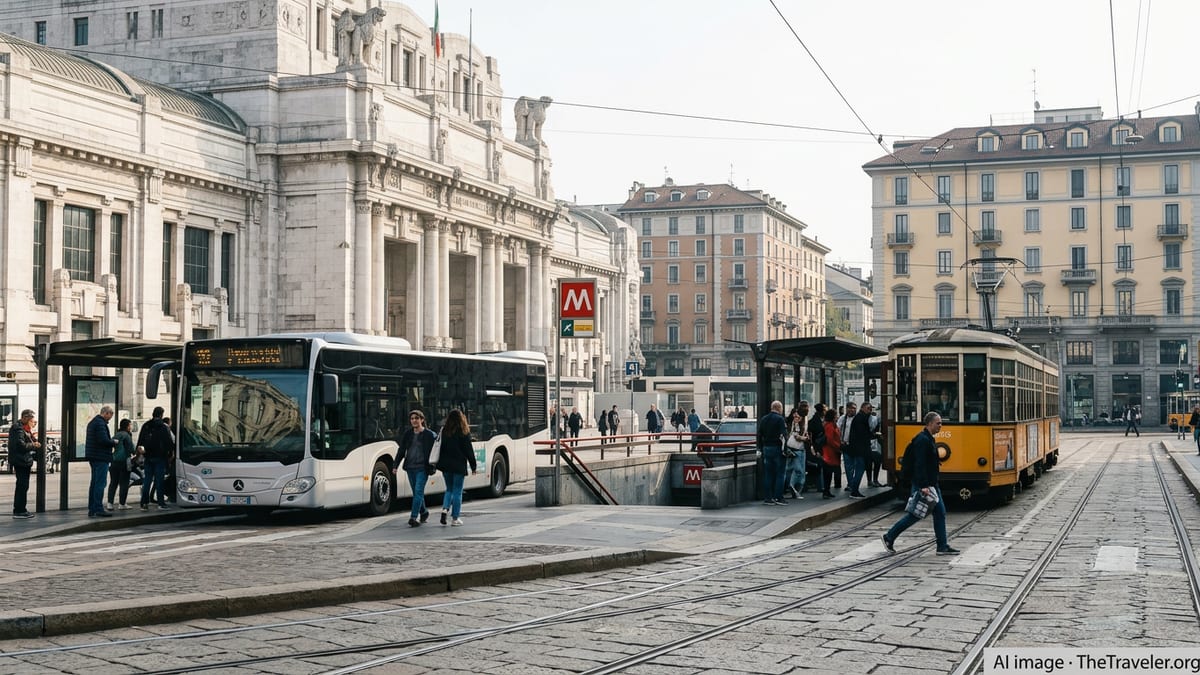
Coach Networks Expand Across Italy and Europe
Publicly available industry data indicate that Europe’s long-distance coach market has grown steadily since the pandemic, with Italy standing out for the number of operators serving each route and the breadth of competition on major corridors. A detailed report from transport research center TRASPOL on the 2019 to 2024 period describes Italy, along with several Eastern European countries and the United Kingdom, as a market where passengers typically find more than three companies competing on the same intercity route, creating a dense, consumer-focused network.
On the supply side, large brands continue to widen their reach. FlixBus reports that it now connects more than 3,000 destinations in over 40 European countries and the United States, with new lines regularly added to link secondary cities and regional hubs that fall outside high-speed rail networks. Company network pages highlight cross-border routes between Italy and neighboring countries, such as services from Milan and Venice to destinations in France, Austria and Central Europe, integrating Italian cities into a wider web of coach-based mobility across the continent.
In Italy specifically, domestic player Itabus has focused on strengthening internal links between major cities and coastal tourism regions. Press material dated March 2024 describes an expanded network designed to connect Rome, Milan, Naples and other primary centers with resorts and mid-size towns, positioning coaches as an alternative to both private cars and crowded peak-season trains for domestic holidaymakers.
Analysts note that this expansion is not limited to volume. Operators are increasingly experimenting with new schedules, service types and price points to attract travelers seeking flexibility and comfort, from economy seats for students to upgraded options designed to appeal to older leisure travelers and international visitors exploring the country by road.
From Budget Transit to “Slow Travel” Experience
Reports from European travel platforms suggest that long-distance buses and coaches are being integrated into so-called “flight-free” itineraries, where travelers deliberately avoid planes in favor of overland routes. Coverage on pan-European outlets describes how trip planners commonly combine regional trains and night coaches to move between countries, emphasizing the ability to watch landscapes change, visit intermediate cities and arrive closer to historic centers than most airports allow.
Night services are a growing part of this experiential positioning. FlixBus promotes a network of overnight buses across Italy and Europe, advertising routes such as Milan to Paris and Rome to northern Italian cities as options that allow passengers to sleep en route and maximize daytime hours at their destination. Typical journey times listed on the operator’s Italian night-bus portal span five to 13 hours, framing coaches as a land-based alternative to both daytime driving and short-hop flights for distances of several hundred kilometers.
In southern Italian cities, local public transport companies have also developed night bus services, complementing regional and long-distance coaches. Palermo, for example, maintains multiple dedicated nighttime routes that extend mobility well after conventional operating hours, illustrating how buses are being used to stretch the travel day for both residents and visitors and making late-arriving intercity passengers less dependent on taxis or car rentals.
This gradual rebranding of coach travel aligns closely with broader “slow travel” trends reported across Europe, where tourists emphasize time spent in transit as part of the holiday rather than simply a means of reaching a destination. As these habits spread, stopovers in smaller Italian towns served by coaches, rather than only headline cities connected by air and high-speed rail, increasingly become a feature of customized itineraries.
Policy Push for Lower-Carbon Tourism
The shift toward long-distance coaches is also being supported by policy frameworks that prioritize sustainability. Italy’s tourism strategy, summarized in the OECD’s Tourism Trends and Policies 2024 report, describes a Fund for Sustainable Tourism that allocates public resources from 2023 through 2025 to encourage innovative itineraries, de-seasonalize demand and promote intermodal routes using lower-emission transport modes. The fund’s design references the use of electric vehicles and more efficient surface transport, creating scope for coach operators to align with national climate and tourism objectives.
At the European level, transport regulations have further formalized the role of buses in cross-border mobility. Implementation notes from Italy’s Transport Regulation Authority on EU Regulation 181/2011 outline passenger rights for bus and coach transport, including compensation mechanisms and assistance for travelers with reduced mobility. By reinforcing standards for accessibility and service continuity, these rules aim to make long-distance coach journeys a predictable part of the continent’s transport mix rather than a secondary option for those without alternatives.
Climate considerations are central to this policy environment. Statistical reports on Italy’s progress toward the United Nations Sustainable Development Goals highlight tourism-related transport emissions as a key metric, with regional variations reflecting different patterns of domestic and international travel. Researchers studying environmental policies and tourism flows in Italy have noted growing attention to how transport choices influence a destination’s overall footprint, and have underscored the need for options that reduce per-capita emissions while preserving economic benefits for tourism-dependent regions.
In this context, coaches occupy an intermediate position between private cars and high-speed trains. They can offer significant emissions savings compared with individual car journeys when operating at high occupancy, particularly on popular holiday routes, while also serving places that lack direct rail links. For policymakers seeking to spread visitor numbers beyond a few overcrowded hotspots, backing expanded coach services is emerging as a practical way to connect lesser-known towns and rural areas without relying on new airports or major highway expansions.
Competition, Innovation and Safety in a Growing Market
Greater attention to coaches as a strategic mode of travel has intensified competition and innovation across Europe. The TRASPOL and CheckMyBus market report for 2019 to 2024 provides a comparative view of concentration levels in national coach markets, indicating that Italy sits within a large group of countries where multiple operators contend for passengers on major routes. This dynamic is encouraging experimentation with booking platforms, dynamic pricing and add-on services such as extra legroom, onboard entertainment or bike transport.
Multimodal search and booking tools have become key gateways into this ecosystem. Popular travel planning sites now routinely display coach options alongside trains and flights for journeys across Europe, helping travelers compare journey times, prices and emissions. Coverage in European media points out that travelers who commit to flight-free routes often rely on such platforms to stitch together chains of buses, trains and ferries that turn long distances into multi-day journeys.
At the same time, safety remains a central concern as volumes increase. Public databases and media reports document occasional serious incidents on long-distance coach routes, including a fatal crash in Italy in March 2024 involving a bus operating between Milan and Rome. While such events are statistically rare in comparison with the total number of journeys operated each year, they underscore ongoing debates about driver rest times, enforcement of speed limits and the design of intercity roads used heavily by coaches.
Regulators have responded by emphasizing the enforcement of existing safety rules and the application of passenger rights frameworks to international as well as domestic services. Operators, for their part, are placing more emphasis on modern vehicle fleets, professional driver training and clearer pre-trip information to reassure passengers who may be trying long-distance coach travel for the first time as part of a shift away from frequent flying.
Unique Journeys Beyond the High-Speed Rail Grid
One of the most distinctive roles for coach travel in Italy and neighboring countries lies in its ability to serve destinations that sit beyond the reach of high-speed rail. Industry route maps show that buses commonly link smaller coastal towns, mountain resorts and inland villages directly with major airports and train stations, often on a seasonal basis aligned with holiday calendars. This connectivity is particularly visible in summer schedules, when additional services connect Italian cities to seaside and lake destinations popular with both domestic and foreign visitors.
Travel reporting from across Europe suggests that these routes are increasingly marketed as part of curated experiences. Tourists can, for example, combine a high-speed train journey to a regional hub with a scenic coach ride along the Adriatic or Tyrrhenian coasts, turning a transfer into an opportunity to see landscapes and communities that might otherwise be bypassed. In some cases, coach companies collaborate with local tourism boards and small operators to align schedules with events and festivals, further embedding buses into the storytelling of a destination.
Future growth is expected to focus on better integration between coaches, rail and other low-carbon modes. Policy documents in Italy and at the G7 level emphasize intermodality as a way to reduce emissions from tourism transport, with references to closer partnerships between rail and coach providers to coordinate timetables and ticketing. As digital platforms continue to standardize booking and payment, the boundaries between bus, train and ferry journeys may become less visible to end users, who experience their trip as a continuous, multi-stage route.
This is positioning coach travel not only as a cheaper alternative to flying but as a central building block of unique, lower-impact journeys throughout Italy and Europe. For travelers willing to trade speed for immersion, and for destinations eager to welcome visitors beyond the main tourist corridors, the evolving coach network is emerging as one of the continent’s most flexible tools for reimagining how people move.
TRASPOL long-distance coach market in Europe 2019–2024
OECD Tourism Trends and Policies 2024
FlixBus Italy summer 2026 network announcement
Italian Transport Regulation Authority on bus and coach passengers’ rights