


More news on this day
Italy is bracing for a new day of nationwide industrial action on Friday 29 May 2026, with a 24-hour general strike expected to disrupt air travel, rail links, ferries, local public transport and wider public services across the country.
Get the latest news straight to your inbox!
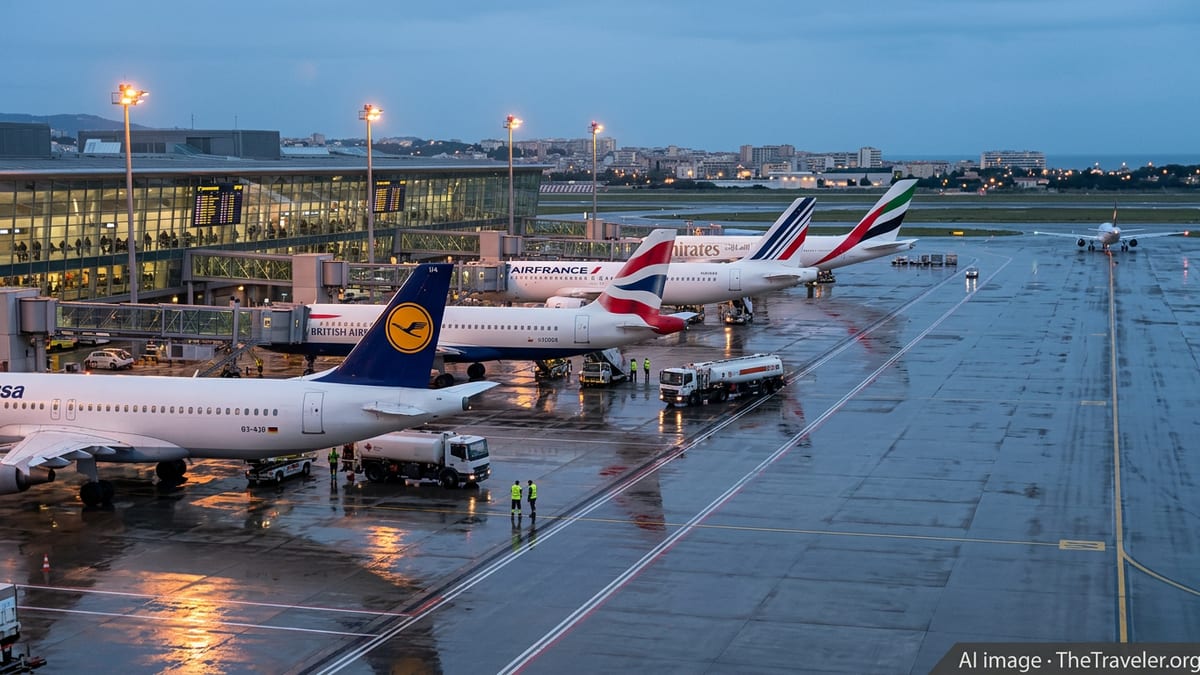
Broad general strike called across sectors
According to publicly available strike bulletins and recent Italian media coverage, a coalition of so-called base unions, including CUB, SGB, ADL Varese, SI Cobas and USI-CIT, has confirmed plans to proceed with a 24-hour general strike on 29 May. The mobilisation is set to involve workers in both public and private sectors, giving it far broader scope than recent, more targeted transport walkouts.
Transport-focused labour groups are expected to play a central role. Updates from Italy’s Ministry of Transport strike register indicate that rail, aviation, local public transport, maritime services and motorway operations are all covered by the action. Additional adherence by other organisations, such as FISI and sectoral federations, has been recorded over recent weeks, signalling growing backing for the protest.
National media reports describe the 29 May stoppage as part of a wider cycle of industrial unrest that has affected Italian transport throughout the spring, including regional stoppages and protests over pay, working conditions and broader social and foreign policy issues. For travellers, however, the immediate impact will be measured in cancelled services, altered timetables and longer journey times on one of the busiest late-spring Fridays.
Some institutions outside core transport are also warning of reduced operations. The Uffizi Galleries in Florence, for example, have issued a notice flagging possible closures and disruption on 29 May, while confirming limited opening hours for key sites. Similar advisories from museums and public offices suggest that visitors could encounter shorter hours or unannounced closures beyond the transport network itself.
Air travel and rail services face major disruption
Air and rail are expected to bear much of the operational impact. Details compiled from the official strike register and airline and rail operator notices show that air traffic personnel are due to stop work from 00.00 to 23.59 on Friday, potentially affecting domestic and international flights to, from and within Italy. Carriers typically adjust schedules in advance, but same-day delays and cancellations remain likely.
For rail passengers, the strike window is longer. Notices summarising the Transport Ministry’s bulletin state that railway staff are scheduled to strike from 21.00 on Thursday 28 May until 21.00 on Friday 29 May. Regional operator Trenord, which manages services in Lombardy, has already warned of possible cancellations and heavy disruption during this period, while indicating that so-called minimum guaranteed services will run during legally protected time bands in the morning and evening rush hours.
Long-distance and high-speed trains operated by national carriers are also expected to be affected, with service lists typically published closer to the date indicating which departures are confirmed. Past experience suggests that even trains scheduled to run can experience crowding and minor delays as rolling stock and crews are repositioned around the network.
Travellers with fixed connections, such as same-day flights and onward rail journeys, are being advised in publicly available guidance to monitor operator updates closely, allow extra time for transfers and, where possible, consider rebooking for dates outside the strike window. Informal travel forums and advisory sites also point out that early services on Saturday 30 May could see residual disruption as the system returns to normal.
Local transport, buses and urban networks under pressure
The strike is expected to ripple through local and regional public transport, including buses, metro lines and trams in major cities. Coverage in regional outlets highlights that operators across Italy are preparing for a so-called “black Friday” for commuters, with reductions and cancellations anticipated on local services.
In Tuscany, for example, the regional newspaper The Florentine reports that bus services operated by Autolinee Toscane are preparing for a 24-hour stoppage on 29 May, with delays and cancellations forecast across the network. The company is expected to guarantee only minimum services in limited time slots, reported as early-morning and lunchtime windows in line with national regulations for essential transport.
Similar patterns are likely in other large urban areas. Local transport portals for Rome, Milan and other metropolitan centres describe the 29 May action as a nationwide general strike involving local public transport staff, meaning city buses, trams and some metro lines could run at reduced frequency or be suspended outside protected time bands. Some city-focused travel sites are already warning visitors to expect longer waits, crowded vehicles and greater reliance on walking or taxis for cross-town journeys.
Because operators apply strike timetables differently from city to city, travellers are being encouraged by publicly available information to check local transport websites and apps the day before travel. Many systems publish strike-specific timetables showing which lines and time slots are guaranteed to operate, especially in the early morning and late afternoon peaks.
Road freight, ferries and motorways also affected
The impact of the strike is not confined to passenger transport. Road freight is set to be hit by separate but overlapping industrial action, after national road-haulage confederation Unatras confirmed a stoppage in the road-transport sector running from 25 to 29 May. Logistics advisories circulating in the industry warn of possible slowdowns or suspensions of domestic and international shipments, as well as backlogs immediately before and after the strike window.
On the roads, the Transport Ministry’s strike bulletins indicate that staff at motorway service areas are due to strike from 22.00 on Thursday 28 May to 22.00 on Friday 29 May. While toll booths and core motorway infrastructure are expected to remain open, sector reports suggest that travellers could encounter fewer staffed fuel stations and rest areas, particularly at night, with a heavier reliance on automated payment systems.
Maritime services are also on the list of affected sectors. Summaries of the strike register shared on travel advisory platforms state that crews serving Italy’s smaller islands are expected to participate in the action for the full day on 29 May, while services to larger islands such as Sardinia and Sicily may see restrictions or adjusted schedules around departures. For island residents and visitors, this could mean a reduced number of crossings and potential changes at short notice.
Industry-focused updates recommend that anyone relying on ferry links check with operators well in advance and consider bringing forward or delaying departures where flexibility exists. Where services continue, capacity constraints could lead to full sailings, especially on popular tourist routes.
What travellers should do before 29 May
With only days to go before the general strike, travel experts and advisory platforms are urging visitors and residents to build contingency plans. Standard guidance is to avoid non-essential travel on 29 May where possible, particularly for journeys that depend on multiple transport modes or tight connections between flights and trains.
Air passengers are advised in airline notices and travel-industry commentary to verify flight status directly with carriers, sign up for real-time alerts and consider moving their trips to alternative dates if their itineraries are flexible. Those who must travel on the day are encouraged to arrive at airports earlier than usual and be prepared for queueing, rerouting or last-minute schedule changes.
Rail users can consult operator websites and apps for lists of guaranteed services and updated timetables. Travel forums that track Italian strikes suggest that, for critical journeys, booking seats on confirmed trains within protected time bands or shifting to dates outside the strike period can significantly reduce the risk of severe disruption.
Within cities, visitors may need to rely more heavily on walking, bicycles, taxis and ride-hailing services, which themselves may be in high demand. Public information from some tourist attractions indicates that opening hours could be curtailed or services reduced, making it advisable to double-check reservations for guided tours, timed museum entries and other scheduled activities taking place on 29 May.