


More news on this day
Travelers flying to, from, and within Italy on June 9 faced widespread disruption as Rome Fiumicino, Milan Malpensa, Milan Linate, and Naples International airports jointly recorded 493 flight delays and 10 cancellations, snarling schedules for ITA Airways, Ryanair, easyJet, Lufthansa and several other carriers on both domestic and international routes.
Get the latest news straight to your inbox!
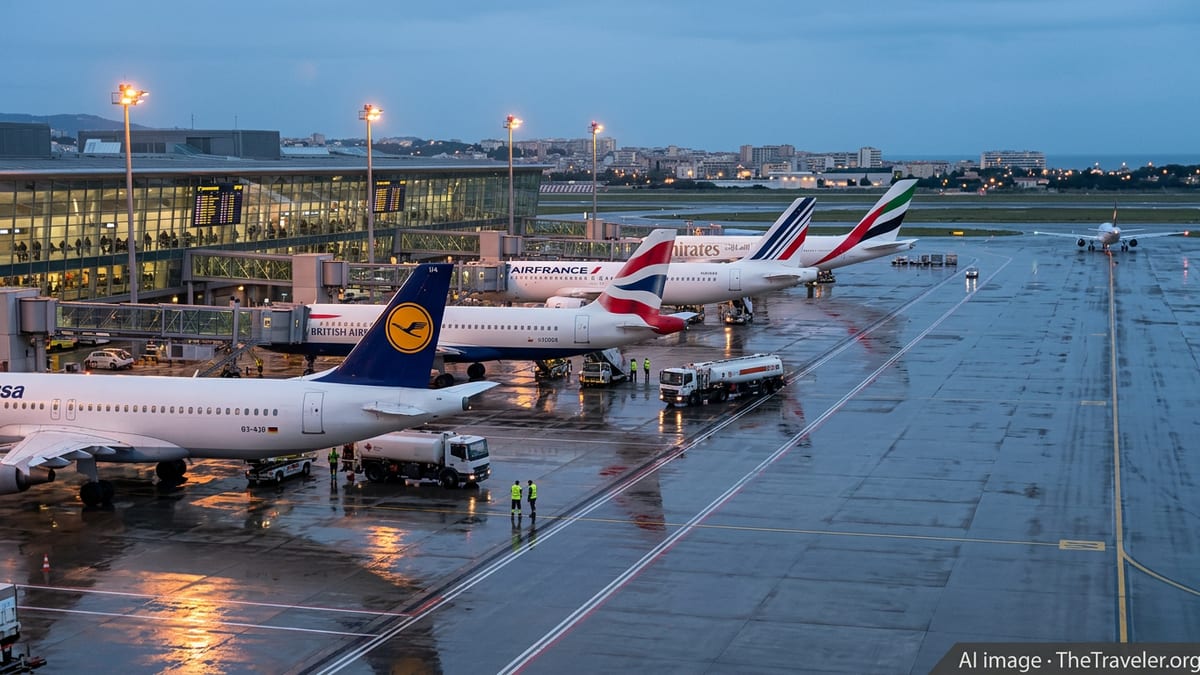
Major Italian Hubs Grapple With Knock-On Delays
Publicly available flight tracking data for June 9 indicates an exceptionally congested operating day at Italy’s main air gateways, with Rome Fiumicino, Milan Malpensa, Milan Linate, and Naples International all registering elevated levels of disruption. While the number of outright cancellations remained comparatively limited at 10, the 493 delayed departures and arrivals created extensive knock-on effects across the network, from short domestic hops to long haul services.
Rome Fiumicino, the country’s busiest airport and primary hub for ITA Airways, appeared to absorb a significant share of the pressure as late-running domestic and European services cascaded into missed connections and retimed departures. Milan’s twin airports, Malpensa and Linate, reported steady streams of delayed movements as well, affecting both traditional network airlines and high-frequency shuttle routes linking northern Italy with Rome and Naples.
At Naples International, delay reports showed particular strain on key trunk routes to Milan and Rome, with some services retimed and at least one domestic rotation listed as cancelled. The combined impact across the four airports left terminals crowded into the evening as airlines worked to re-crew aircraft, reassign slots, and rebook disrupted passengers onto later departures.
Observers note that the relatively small number of cancellations compared with the volume of delays suggests operators attempted to preserve as much of the published schedule as possible, even at the cost of significant late running. For many travelers, this translated into missed onward connections, extended layovers, and late-night arrivals at their final destinations.
Flag Carrier ITA Airways at the Center of the Disruption
As Italy’s flag carrier and the dominant operator at Rome Fiumicino and Milan Linate, ITA Airways found itself at the center of Monday’s operational challenges. Data from real-time trackers showed multiple ITA flights on core domestic corridors such as Rome to Naples, Rome to Milan, and southern Italy to Milan Linate operating behind schedule, alongside delays on selected European routes.
At Naples, where ITA Airways runs high-frequency services to Milan and Rome, at least one rotation to Linate was reported as cancelled, with subsequent flights on similar routes facing knock-on delays. On other days in recent weeks, ITA’s domestic network between Rome, Milan, and key regional cities has shown a pattern of modest but frequent schedule slippage, reflecting the broader pressure on Italian airspace and airport capacity.
Long haul operations were not immune. Transatlantic services from Rome to North America, including the busy Rome to New York corridor, have recorded a non-trivial share of delayed departures and arrivals in recent days, according to independent tracking platforms that aggregate on-time performance statistics. For connecting passengers booked via Rome onto North American or Asian destinations, late inbound domestic and European feeders on June 9 increased the risk of misconnection and forced rebooking.
Travel industry analysts point out that ITA’s growing integration with the Lufthansa Group and its recent move to Star Alliance have increased the number of code-share and interline itineraries touching Italian hubs. While this enhances connectivity, it can also amplify the ripple effects of a bad operational day, as a delayed Rome or Milan departure reverberates through partner networks across Europe and beyond.
Low-Cost Carriers and European Giants Also Affected
The disruption was not limited to Italy’s national carrier. Low-cost operators Ryanair and easyJet, both with substantial Italian footprints, also reported delays across routes touching Milan Malpensa, Naples, and Rome, according to schedule monitoring services. With Ryanair maintaining one of the largest flight volumes in Europe and easyJet operating extensive bases at Milan Malpensa and Milan Linate, even modest slippages had the potential to affect large numbers of passengers.
Lufthansa and other major European network airlines experienced secondary impacts where flights were operated in partnership with ITA Airways or routed through Italian hubs. Code-share services, particularly on Rome feeder legs serving long haul departures from Germany, France, and other European gateways, were vulnerable to late inbound aircraft and congested turnarounds.
Because low-cost carriers often schedule tight turnaround times to maximize aircraft utilization, any delay in arrival at a busy airport such as Malpensa or Naples can quickly spill over to subsequent rotations. Observers note that in previous Italian disruption events, some low-cost airlines have favored operating flights with significant delays rather than cancelling outright, which may explain the large delay count compared with the relatively small number of cancellations recorded on June 9.
For travelers, the practical effect was similar regardless of airline model: crowded departure halls, long queues at service desks, and changing boarding times displayed on information screens as operators attempted to recover their programs. Reports from passenger rights organizations suggest that queries about compensation and reimbursement under European air passenger rules typically spike after days with this level of disruption.
Domestic and International Routes See Network-Wide Ripple Effects
The statistics for June 9 point to a disruption profile that spanned both domestic and international networks. On the Italian mainland, corridor routes linking Rome with Milan, Naples, and major regional centers such as Palermo and Catania showed slower-than-normal operations, with some departures pushed back to later slots as aircraft and crews repositioned.
Internationally, popular European city pairs involving Rome and Milan, including services to hubs such as Frankfurt, Paris, and London, were also impacted where rotations depended on delayed inbound aircraft from Italian domestic sectors. Flight tracking platforms highlighted slight but noticeable departure delays on some European connections from Rome Fiumicino, contributing to missed or tight minimum connection times at onward hubs.
Beyond Europe, analysts draw attention to the sensitivity of long haul itineraries to disruption at origin hubs. A late departure from Rome on a transatlantic or intercontinental route can quickly translate into missed same-day connections at destination airports, with travelers forced to overnight or reroute via alternative hubs. On June 9, passengers connecting from delayed Italian domestic flights onto long haul services operated by ITA and partner airlines faced precisely this risk.
As Italy’s main airports handle rising passenger volumes compared with recent years, aviation data providers have underscored a gradual increase in average arrival delay minutes at several European hubs, including Rome and Milan. This broader trend forms the backdrop to acute disruption days such as June 9, when operational stress, weather factors, air traffic control constraints, or industrial action can push already stretched systems beyond their limits.
What Travelers Should Do If They Are Booked Through Italian Hubs
Travel and passenger advocacy groups recommend that anyone scheduled to pass through Rome Fiumicino, Milan Malpensa, Milan Linate, or Naples in the coming days monitor their flight status closely and build in extra time for connections. Many airlines provide real-time notifications through mobile applications, email, or text message, which can alert passengers to delays or schedule changes before they arrive at the airport.
For those whose journeys were directly affected on June 9, passenger rights organizations advise reviewing the circumstances of any delay or cancellation in light of European Regulation EC261, which sets out entitlements to care, rerouting, refunds, and in some cases financial compensation. The level of support available depends on the length of the delay, the distance of the flight, and the specific cause of the disruption.
Air travel specialists further suggest that travelers with tightly timed self-made connections, particularly where low-cost segments are combined with separate tickets, exercise caution when planning itineraries via Italian hubs. On days when airports experience heavy delays, passengers on separate bookings have fewer automatic protections and may need to purchase new tickets if misconnected.
With Italy facing another announced air transport strike later in June, industry observers expect intermittent pressure on airport operations to continue. While most travel through the country’s air hubs proceeds smoothly, the events of June 9 serve as a reminder that even a limited number of cancellations, combined with several hundred delayed flights, can be enough to disrupt travel plans for tens of thousands of passengers across Europe and beyond.