


More news on this day
Gateway towns from Jackson to Bar Harbor are rolling out ambitious sustainability measures this spring, signaling a shift in how Americans plan park-centric getaways and how national park tourism is managed.
Get the latest news straight to your inbox!
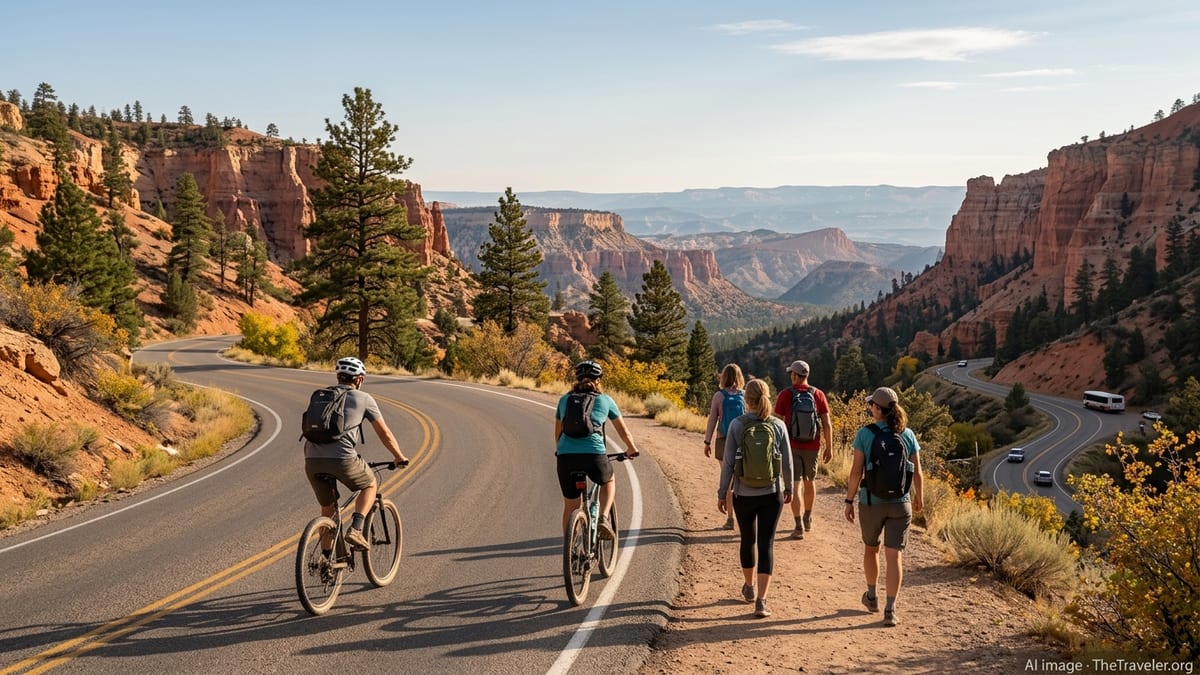
Jackson Steps Forward as a Sustainable Gateway to Grand Teton
Jackson, Wyoming, long known as a high-end base for Grand Teton and Yellowstone, is increasingly positioning itself as a test case for low-impact mountain tourism. Recent annual reporting from the local tourism board highlights a multi-year push to frame Jackson Hole as a “sustainable destination,” tying visitor promotion to investments in transit, trail stewardship and wildlife protections.
Publicly available data indicates that, in fiscal year 2024, the Jackson Hole Travel & Tourism Board funded a range of projects aimed at reducing the strain of growing visitor numbers. These include support for regional transit connections, visitor education campaigns focused on responsible recreation and grants for conservation groups working on trail and habitat restoration. The strategy reflects a wider move among US mountain towns to link marketing budgets to measurable environmental outcomes.
Jackson’s approach also places heavier emphasis on spreading visitation beyond peak summer and fall foliage periods. Industry materials describe efforts to promote shoulder-season travel, including spring, as a way to stabilize local employment while easing crowding and wildlife conflicts during the busiest months inside nearby national parks.
For travelers planning spring trips in 2026, these shifts mean that itineraries centered on Jackson increasingly come with built-in messaging about staying on designated routes, using shuttles where available and supporting businesses that have adopted local sustainability standards.
Gatlinburg and the Smokies Tackle Waste and Wildlife Conflicts
On the eastern side of the country, Gatlinburg, Tennessee, at the doorstep of Great Smoky Mountains National Park, is using waste management and education programs to reshape its image as a greener mountain resort. Municipal information describes “Gatlinburg Goes Green,” a free community sustainability program that encourages local businesses to cut energy use, expand recycling and reduce single-use plastics.
Recent city reports show that Gatlinburg has invested heavily in centralized, bear-resistant waste systems designed to curb human-wildlife conflict while keeping streets cleaner during peak visitation. Those efforts have drawn attention from statewide organizations focused on municipal innovation, and they align with regional tourism messaging that promotes the Smokies as a destination where scenic drives and hiking can be paired with lower-impact lodging and attractions.
Destination marketing materials now highlight simple steps for visitors to shrink their footprint, from walking between downtown hotels and attractions to choosing tour providers that participate in local environmental initiatives. The town’s spring events calendar features nature-focused programming, including Earth Day activities at major viewpoints, that fold climate and conservation themes into the visitor experience.
For spring travelers, the result is that Gatlinburg’s bustling park gateway is increasingly framed as a place where mountain views, family attractions and sustainability campaigns are closely intertwined.
Moab and Springdale Rebalance Crowds Around Utah’s Desert Parks
In Utah’s red rock country, Moab and Springdale, the main gateways to Arches, Canyonlands and Zion national parks, are responding in different ways to the pressures of intense seasonal tourism. Coverage from regional outlets notes that Moab has recently faced softer visitation numbers following several years of rapid growth, prompting a marketing “rebrand” meant to emphasize quality of experience, respect for public lands and connections to nearby state and Bureau of Land Management sites.
Local planning documents in Moab set out a framework in which trail building, park access and downtown improvements are evaluated through a lens of long-term livability for residents as well as visitors. Town leaders have signaled that dispersing visitors to lesser-known viewpoints, expanding bike and walking paths and promoting off-peak travel should reduce congestion at marquee spots such as Delicate Arch and the Island in the Sky district.
Farther west, Springdale, which borders Zion National Park, is examining more aggressive options to keep traffic and emissions in check. Reports indicate that town leaders and partners in the park have studied the possibility of a largely car-free gateway community, building on the shuttle systems that already move visitors through Zion Canyon. A free town shuttle, supported by the park, currently links key stops in Springdale to the main entrance, and discussions about expanded park-and-ride operations point toward a future in which many visitors leave their vehicles outside the canyon entirely.
These developments reinforce a broader pattern in Utah’s park towns this spring: communities are using transit experiments, zoning debates and branding campaigns as tools to anchor tourism growth in sustainability narratives.
Bar Harbor Tightens Cruise Caps and Formalizes Sustainable Tourism
On Maine’s rocky coast, Bar Harbor, gateway to Acadia National Park, has become a high-profile example of a town setting hard limits in pursuit of more sustainable tourism. According to municipal records, residents voted in 2022 to cap daily cruise ship disembarkations at 1,000 passengers, a measure designed to relieve pressure on sidewalks, shuttle routes and waterfront infrastructure during the busy summer and shoulder seasons.
Since then, local authorities have moved to formalize how tourism is managed. Documentation from late 2025 describes the work of a Sustainable Tourism Management Task Force, which is charged with analyzing visitor numbers, economic impacts and quality-of-life concerns, and then recommending policies to the town council. The task force’s remit includes exploring transportation solutions, visitor education and data-driven strategies to manage congestion at popular Acadia trailheads and viewpoints.
The Bar Harbor Chamber of Commerce has also leaned into sustainable travel messaging, promoting refillable water stations, recyclable materials and electric vehicle charging points across Mount Desert Island. Communications from regional nonprofits highlight efforts to make the island more energy independent, with solar projects and efficiency upgrades in public buildings and schools serving as visible markers of change.
As spring travelers return to Acadia’s carriage roads and coastal paths, they are encountering a town that is actively debating how many visitors it can comfortably host, and at what pace, while still protecting the dark skies, quiet coves and working waterfront that draw people to the region.
A National Trend: Gateway Towns Reframe Spring Travel
Across these destinations, a pattern is emerging in time for the 2026 spring travel season. Gateway communities that built their economies on access to national parks are now placing sustainability at the center of their branding, infrastructure spending and visitor communication. Rather than purely competing for higher visitor counts, Jackson, Gatlinburg, Moab, Springdale and Bar Harbor are experimenting with caps, shuttles, waste systems and new planning tools.
Industry analysts note that travelers are increasingly receptive to these shifts. Spring itineraries marketed by regional tourism organizations emphasize car-free options, shoulder-season stays and support for local conservation projects. As more towns adopt climate and sustainability goals, park trips are being presented not only as scenic escapes but also as opportunities to participate in community-led efforts to protect fragile landscapes.
For American travelers weighing where to go between April and June, the trend means that classic park hubs are likely to feel different from how they did a decade ago. The underlying mountains, deserts and shorelines remain the draw, but the surrounding towns are reshaping how visitors move, spend and engage, turning this spring’s national park trips into a proving ground for a new model of green tourism.