


More news on this day
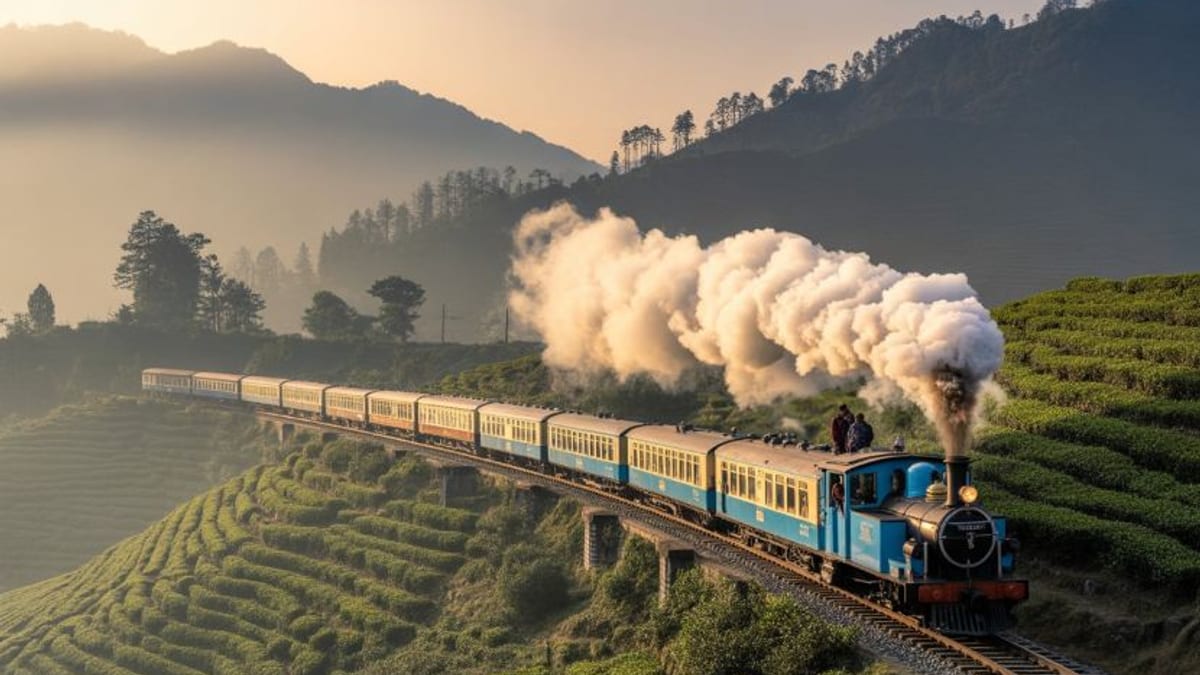
Japan is reshaping its rail landscape with a wave of new luxury and themed trains, turning already celebrated scenic routes into immersive slow-travel experiences aimed at domestic and international visitors alike.
Get the latest news straight to your inbox!
New Scenic Flagships Linking Cities and Sacred Landscapes
Recent announcements from major railway operators indicate that premium sightseeing trains are moving from niche attractions to strategic pillars of Japan’s tourism plans. In western Japan, Nankai Electric Railway has unveiled Gran Tenku, a dedicated sightseeing train that will link Osaka with the sacred monastic town of Mount Koya from April 24, 2026. The service is being positioned as a more comfortable and atmospheric way to reach one of the country’s most important spiritual destinations, with panoramic windows and upgraded interiors designed to highlight the forested mountain vistas along the route.
West Japan Railway Company is also expanding its portfolio of special trains on scenic lines. Operation plans released for services such as La Malle de Bois, which runs along the Seto Inland Sea, point to ongoing investment in coastal leisure routes where slower schedules and curated interiors encourage travellers to linger on views of islands, fishing villages and port towns. Together with seasonal services and limited-express sightseeing trains, these projects signal a concerted effort to elevate regional lines into headline travel experiences.
On the overnight front, East Japan Railway Company is preparing a new premium sleeper service between the Tokyo area and Tohoku, scheduled to debut in spring 2027. According to published coverage, the train will feature all-private-room accommodation, catering to travellers willing to trade speed for a nostalgic overnight journey through rural landscapes in northern Honshu.
Design-Led Trains Recast Regional Lines as Moving Resorts
Japan’s latest wave of tourist trains places as much emphasis on design and on-board atmosphere as on scenery. JR West’s Hana Akari, which entered service in 2024 on routes in the Kansai and Hokuriku regions, was conceived as a roving gallery of regional culture. Publicly available information describes interiors that showcase local crafts and motifs, with a visual identity meant to “cast light” on lesser-known destinations along the line. The train has already attracted design awards, underscoring how aesthetics are being used as a draw in their own right.
Further west, Kyushu continues to position itself as a laboratory for high-end rail. Cruise-style services such as Seven Stars in Kyushu and the ornate Aru Ressha “sweet train” have helped rebrand long-distance rail in the region as a form of rolling boutique hospitality. Recent coverage highlights how these trains pair elaborate multi-course dining with multi-day itineraries, leveraging volcanic landscapes, coastal scenery and hot-spring towns as a natural backdrop.
The approach is being echoed in smaller restaurant and sightseeing trains operated by regional and private railways, where refurbished rolling stock is fitted with lounge-style seating, local artwork and tasting menus built around seasonal ingredients. Collectively, these services reposition secondary lines not as mere transport links but as curated journeys that can justify premium fares.
Themed Collaborations Draw New Audiences to Scenic Routes
Alongside pure luxury offerings, operators are increasingly turning to character and pop-culture collaborations to attract younger travellers and families to scenic routes. Central Japan Railway’s “Wonderful Dreams Shinkansen,” operating on the Tokaido Shinkansen corridor in 2025 with a design inspired by Tokyo DisneySea’s Fantasy Springs, illustrates how even high-speed services are being used as moving showcases. The train’s special interiors and exterior livery, introduced for a limited period, are intended to transform a routine intercity journey into part of the overall resort experience.
In Kyushu, character-branded trains such as the Super Mario services running across the island through mid-2026 add another dimension to rail-based tourism. Reports indicate that these temporary liveries and themed interiors have driven interest in routes that also happen to traverse attractive coastal stretches and countryside. While not luxury products in the traditional sense, such collaborations expand the audience for scenic rail travel and can serve as a gateway to more premium experiences.
Observers of the sector note that these themed services often operate alongside, rather than instead of, traditional sightseeing and restaurant trains. This layered approach allows railway companies to appeal to different demographics while keeping attention focused on specific regions and routes that benefit from increased visitor spending.
Strategic Push to Revitalize Regional Tourism
The expansion of luxury and sightseeing trains is closely tied to broader efforts to sustain regional rail networks and rural communities. Policy documents and corporate plans released by several operators in 2025 and 2026 emphasize the need to generate new revenue streams beyond daily commuting. By transforming existing tracks into desirable tourism products with higher per-passenger yields, companies aim to justify continued investment in lines that might otherwise face cuts.
In Kyushu, medium-term strategies reference cruise-style trains, restaurant services and baggage-forwarding partnerships as tools to keep visitors on rails rather than shifting entirely to road travel. Similar thinking is apparent in western Japan, where JR West’s continued operation of trains such as West Express Ginga on seasonal night routes is framed as a way to connect urban hubs with smaller communities along the Sea of Japan coast.
Local governments, in turn, are positioning these high-profile trains as symbols of regional revival. Stations renovated to receive luxury services often double as gateways to new museums, markets and waterfront developments, with the expectation that passengers who arrive in relaxed, holiday-oriented settings are more likely to spend time and money at their destinations.
What Luxury Rail Means for Future Travelers to Japan
For international visitors planning trips to Japan from late 2025 onward, the growing number of luxury and themed trains is set to add new complexity and choice. Many of the most sought-after services, including overnight cruise trains and limited-capacity restaurant cars, operate on seasonal schedules and require reservations well in advance. Some, like Seven Stars in Kyushu, allocate tickets by lottery due to high demand and limited cabins.
At the same time, a parallel ecosystem of more accessible sightseeing trains is making scenic routes easier to experience without ultra-premium price tags. Daytime services with upgraded interiors, panoramic windows and regional menus are increasingly available through ordinary booking channels, giving travellers the option to sample elevated rail travel on shorter segments between major hubs and local attractions.
As Japan continues to promote sustainable and rail-centric tourism, the latest generation of luxury and special-themed trains suggests that the journey itself is becoming a central part of the country’s appeal. From coastal lines along the Seto Inland Sea to forested climbs toward Mount Koya and overnight runs into northern Tohoku, slow and scenic rail travel is being reimagined as a core experience rather than a niche indulgence.