


More news on this day
Japan’s expanding ties with the Philippines and Turkey are finding an unexpected reflection in the skies, as luxury private jet itineraries begin linking the three countries into multi-stop, high-end tours for global travelers.
Get the latest news straight to your inbox!
From Diplomatic Backdrop to High-End Flight Paths
Recent months have seen a surge of official attention on the Japan–Philippines relationship, coinciding with the 70th anniversary of the normalization of diplomatic relations in 2026 and new cooperation frameworks built around energy, infrastructure and defense. Publicly available information shows an uptick in high-level visits, state events and economic missions between Tokyo and Manila, underscoring how closely the two countries are now aligned in regional affairs.
At the same time, Turkey’s profile as a long-haul destination on Asia–Europe routes has continued to grow. Istanbul’s role as a natural east–west crossroads, combined with the country’s mix of historic cities and resort coasts, has positioned Turkey as a favored stop on around-the-world and transcontinental itineraries marketed to affluent travelers.
Travel industry brochures and promotional materials now highlight curated routes that move from East Asia into Southeast Asia and onward to the Mediterranean, with private jets providing the connective tissue. These itineraries are not official government missions, but they are quietly tracing similar geographic arcs to the diplomatic conversations now linking Japan, the Philippines and Turkey.
For operators, the alignment of political goodwill and tourism appeal is useful. Regions that are in the headlines for summits, state visits or new cooperation agreements tend to gain visibility with travelers, and high-net-worth clients in particular are drawn to routes that feel both timely and logistically smooth.
Private Jet Tours Linking Japan, the Philippines and Beyond
Private jet touring has evolved from a niche concept into a recognizable segment of the long-haul travel market, with routes that often string together a dozen or more destinations in three to four weeks. A sample itinerary highlighted in industry material for 2025, for example, pairs Japan and Vietnam with the Philippines before continuing on to Malaysia, India and ultimately Istanbul, Turkey, illustrating how operators are designing arcs that move steadily westward across Asia into Europe.
These programs typically rely on chartered aircraft configured with lie-flat seating, generous spacing and a dedicated onboard hospitality team. Groups are kept relatively small compared with conventional package tours, allowing for faster airport processing and more flexible handling of baggage, visas and special requests. The result is that participants can cover thousands of miles and multiple countries in less than a month without dealing with the fragmented schedules and layovers common to commercial travel.
Within this framework, Japan often features as a high-impact starting point, thanks to Tokyo and Kyoto’s global recognition and strong aviation infrastructure. The Philippines is positioned as a contrasting Southeast Asian stop, offering both metropolitan experiences in Manila and resort-style escapes in places such as Palawan or Cebu. Turkey, meanwhile, provides an atmospheric finale, with Istanbul’s historic neighborhoods and the country’s access to both Aegean and Mediterranean coasts.
While these itineraries are marketed primarily to North American and European travelers, there is growing interest from affluent Asian travelers as well. Publicly available travel forums and industry commentary indicate that well-off clients in Japan and the Philippines are increasingly looking at multi-country private jet tours as an alternative to traditional cruises or single-destination luxury stays.
Passenger Experience: From Urban Skylines to Island Strips
The appeal of private jet touring across this corridor lies in its variety. Japan provides dense, vertical megacities and meticulously curated cultural experiences, from contemporary art museums and Michelin-recognized dining to heritage districts and hot-spring resorts. Travelers can spend several days immersed in urban Japan before boarding a jet that cuts directly to a very different landscape.
In the Philippines, the experience shifts quickly toward tropical coastlines and archipelagic scenery. Private itineraries often emphasize beach resorts, diving and island-hopping, with operators using smaller aircraft or boats to reach airstrips and coves that are logistically difficult to access via regular commercial schedules. Manila, as the main gateway, also features increasingly in city-focused extensions that combine historic districts, shopping, and emerging food scenes.
By the time the route reaches Turkey, the narrative turns again, this time toward layered history and continental crossover. Istanbul offers the visual drama of mosques and palaces along the Bosphorus, while inland and coastal add-ons might include Cappadocia’s rock formations or seaside stays along the Aegean. Because the private jet segment controls its own schedule, it can time arrivals to avoid peak congestion periods at airports and popular sights, a selling point for travelers seeking comfort as well as exclusivity.
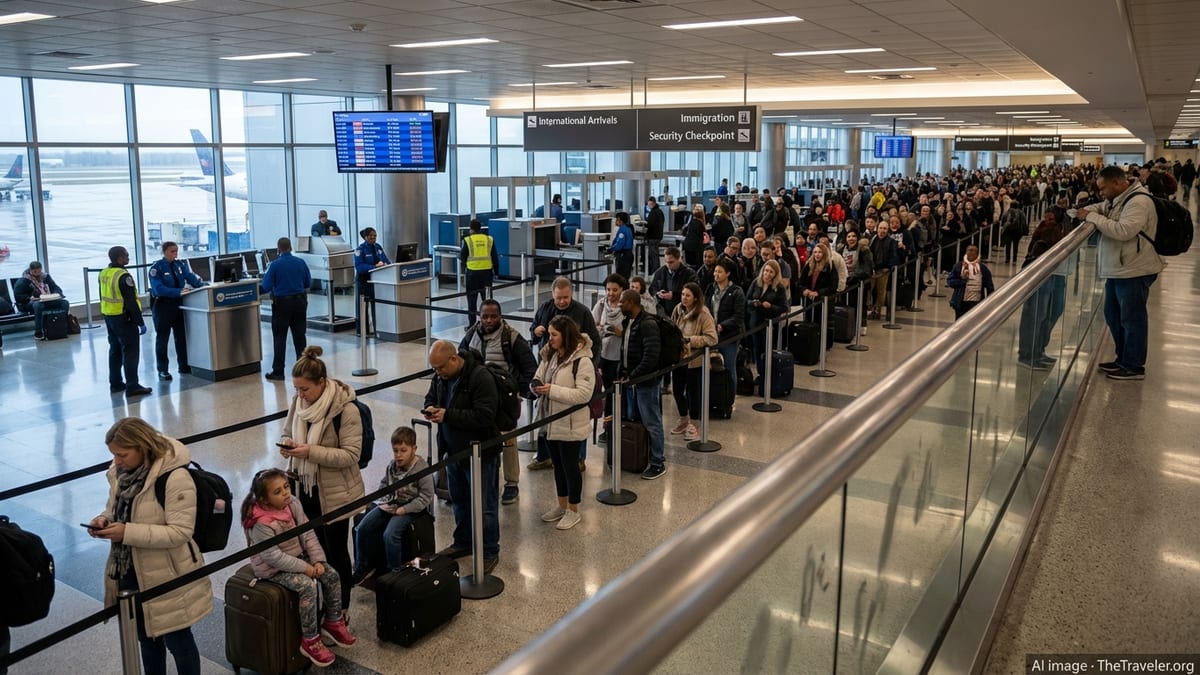
Throughout the journey, a single aircraft and cohesive operations team can create the impression of a moving base of operations, even as travelers cross multiple borders and time zones. This continuity is often cited in travel marketing as a key differentiator versus conventional multi-stop travel, which requires repeated check-ins, security queues and baggage handling.
Economic Ripples for Japan, the Philippines and Turkey
The rise of multi-country private jet itineraries that connect Japan, the Philippines and Turkey has implications beyond the small number of travelers who can afford them. Each stop on the route amplifies demand for high-end accommodation, destination management services, private guides and bespoke experiences, supporting a network of local suppliers and hospitality workers.
In Japan, luxury hotels and ryokan in major destinations report that jet-based groups often book blocks of rooms outside peak domestic seasons, helping to smooth occupancy throughout the year. In the Philippines, the concentration of spending in resort islands and emerging urban districts contributes to the wider government goal of dispersing tourism benefits beyond a few gateway cities. Turkey, for its part, continues to position Istanbul and regional hubs as platforms for premium tourism that can complement its mass-market coastal resorts.
These developments are unfolding against a wider backdrop of strategic and economic engagement. Japan’s expanded cooperation with the Philippines on energy resilience and infrastructure, and its evolving partnerships across the Indo-Pacific, form part of a network of ties that make it easier to move people and capital across borders. As air links, visa policies and investment frameworks are refined, high-end tourism can grow in tandem with more conventional travel and trade.
For now, the number of travelers experiencing this Japan–Philippines–Turkey arc by private jet remains modest. But the model offers a preview of how future long-haul tourism may look for the world’s wealthiest travelers: fast, highly curated and stitched together across regions that are also drawing closer through diplomacy and business.