


More news on this day
Japan’s aviation labor market is entering a new phase of recovery, as demand for aircraft maintenance specialists climbs and technicians at ANA Group secure stronger pay, improved benefits and clearer long-term career paths.
Get the latest news straight to your inbox!
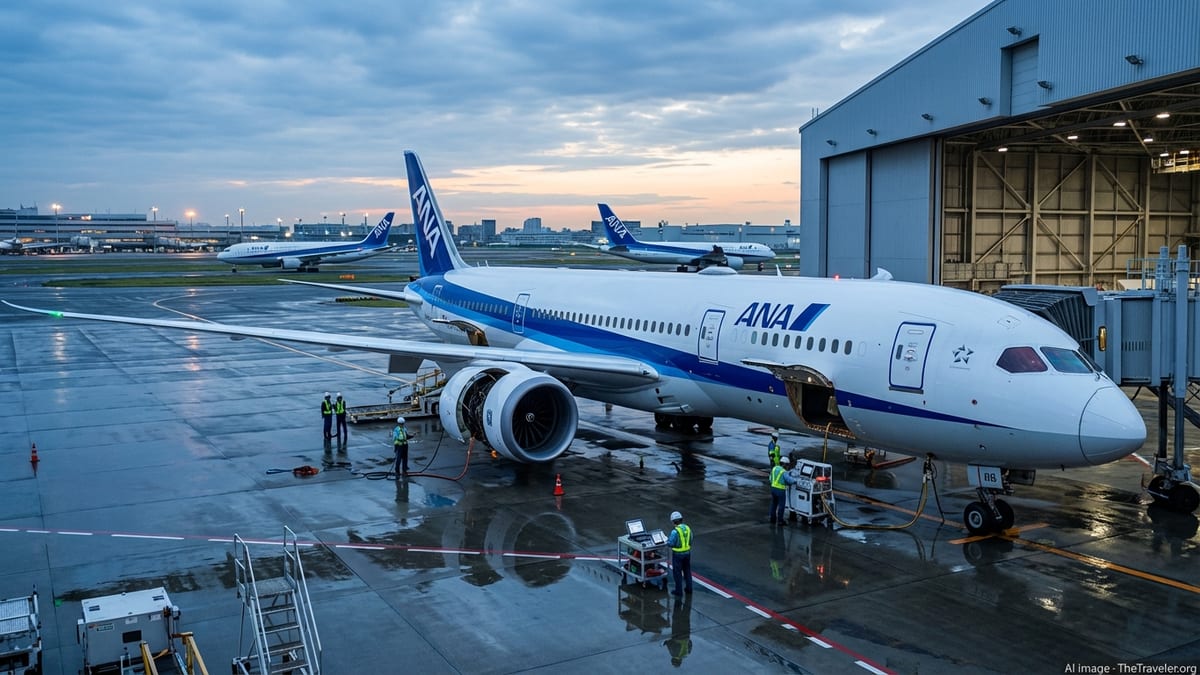
Rising Demand for Aircraft Maintenance Talent in Japan
Publicly available government data indicates that Japan’s aviation sector is grappling with structural worker shortages, particularly in safety critical roles such as aircraft maintenance and flight operations. A summary from the Ministry of Land, Infrastructure, Transport and Tourism (MLIT) highlights a shrinking pipeline of students entering aviation technical schools and warns that the number of new maintenance professionals has fallen significantly compared with pre pandemic levels.
MLIT’s most recent white paper on transport labor trends notes that aircraft maintenance engineers are essential to safe operations, yet enrollments at aviation colleges were sharply reduced following the collapse in air travel during the health crisis. By the 2024 academic year, the ministry reports that intake at aviation technical schools had dropped to roughly half the level seen in fiscal 2017, illustrating the depth of the talent shortfall.
At the same time, air traffic and inbound tourism have rebounded, tightening the market for qualified technicians. ANA Group’s own traffic and financial statistics for the year ended March 31, 2024 show domestic and international passenger demand returning toward, and in some areas surpassing, pre pandemic volumes. As utilization rises, airlines must carry out more line and base maintenance, which in turn increases demand for licensed engineers and support staff.
This combination of recovering flight activity and a thinner training pipeline is placing a premium on experienced maintenance workers across the country. Industry observers describe an environment in which technicians with the right licenses, language skills and type ratings can secure attractive roles, often with large carriers such as ANA Group and its specialist maintenance subsidiaries.
ANA Group Strengthens Maintenance Operations and Staffing
ANA HOLDINGS positions maintenance as a core component of its air transportation and airline related business segments. Corporate filings for the 2023 and 2024 fiscal years list multiple dedicated maintenance entities within the group, including ANA Base Maintenance Technics and ANA Line Maintenance Technics, alongside the mainline All Nippon Airways operation. These companies are responsible for heavy checks in hangars, line maintenance at airports and technical services that support the group’s expanding international network.
In investor materials covering the latest full year results, ANA reports higher overall operating expenses driven in part by increased maintenance and personnel costs as flight volumes grow. This cost trend underscores how quickly the group has had to rebuild technical staffing and capabilities after cutting capacity during the pandemic. It also reflects the rising value of licensed engineers in a tighter labor market, where airlines must compete to attract and retain experienced personnel.
Corporate reports also highlight the group’s medium term focus on safety, reliability and productivity in engineering. ANA’s integrated and annual reports describe initiatives to enhance maintenance quality through digital tools, standardized procedures and expanded training, while simultaneously improving working conditions. With hangar and line operations now supporting a broader network that includes new brands such as AirJapan in addition to ANA’s full service and low cost units, the group is scaling its maintenance workforce to match.
Industry publications further point out that Japan’s major airlines, including ANA, benefit from a traditionally low rate of mid career job switching, as many technicians remain with the employer they joined after graduation. That tendency toward long tenure supports the group’s ability to invest in upskilling and internal promotion, helping to secure a stable maintenance workforce even as recruitment conditions tighten nationwide.
Competitive Salaries and Stable Career Tracks for ANA Technicians
As the supply demand balance for aviation skills shifts, salary data for ANA’s maintenance subsidiaries suggests that technicians are seeing solid earning potential. Aggregated information from Japanese employment sites covering ANA Line Maintenance Technics indicates average annual pay in the upper four million to low five million yen range for many technicians, with higher compensation for staff holding advanced licenses or supervisory roles. While individual earnings vary by experience, qualifications and location, the figures place aircraft maintenance work at ANA comfortably above average wages for many other technical trades.
Bonuses and regular pay increases are also commonly reported in these data sets, aligning with ANA’s broader disclosure of rising personnel costs across the group. As air travel volumes normalize and profitability improves, a portion of that growth is being directed toward human resources, including skilled engineers responsible for keeping the fleet airworthy. The scale of ANA’s operation, spanning widebody international aircraft, domestic narrowbodies and regional jets, allows technicians to build expertise across multiple aircraft types, which can further enhance long term earning power.
In addition to base pay, career progression within ANA Group’s maintenance entities is often structured around clearly defined ranks, from junior mechanic roles through licensed engineers and team leaders to managerial positions in planning and quality control. Industry analyses note that Japan’s aviation labor market historically encourages long service at a single company, and that major carriers provide relatively predictable advancement paths. For maintenance technicians, that can mean decades of employment with opportunities to move into higher responsibility engineering or training posts as experience accumulates.
For younger workers considering aviation careers, this combination of competitive salaries, regular bonuses and transparent promotion ladders positions maintenance roles at ANA as attractive alternatives to other manufacturing or automotive technical jobs, particularly in major metropolitan areas where airports are key employers.
Government Policy and New Pathways Expand the Workforce
Recognizing the risk that workforce constraints pose to air connectivity and tourism goals, Japan’s government is working with industry to widen the pipeline of maintenance personnel. MLIT has outlined human resource measures for aircraft maintenance engineers that include public support for recruitment campaigns, information sharing and training initiatives led by industry groups. One national program, framed as an airport workforce support scheme, provides subsidies to strengthen hiring and skills development for airport related occupations, including maintenance engineers.
The Immigration Services Agency has also opened a pathway for foreign technical workers through the Specified Skilled Worker status in the aviation field. Public guidance for this visa category explicitly lists aircraft maintenance as an eligible activity, subject to skills testing and Japanese language requirements such as the Japan Foundation Test for Basic Japanese or JLPT N4 and above. This framework allows airlines and maintenance providers, including those within ANA Group, to supplement domestic hiring with experienced international engineers.
Broadcast and online coverage over the past year has highlighted examples of foreign technicians joining Japanese carriers, reflecting the gradual internationalization of hangar and line maintenance teams. These developments align with government goals to maintain safe, reliable air transport as inbound tourism targets rise and regional airports seek to expand services.
Alongside external recruitment, industry reports indicate that regulators and airlines are reviewing qualification and examination systems for maintenance licenses with the aim of preserving safety standards while making training pathways more efficient. Proposals discussed in professional media include adjustments to required experience hours and modernized curricula, which could shorten time to qualification without compromising oversight.
Long-Term Career Prospects as Japan’s Fleet and Networks Grow
ANA Group’s latest corporate disclosures describe a strategy focused on profitable growth in international and domestic passenger services, supported by a diversified portfolio that includes low cost and hybrid brands. The introduction of AirJapan as a new medium haul international carrier, alongside ANA’s core network and its budget affiliate Peach, indicates that group wide aircraft utilization is likely to remain high, with corresponding demand for maintenance services over the medium to long term.
Financial documents for the year ended March 31, 2024 show that, even as the group manages fuel price risks and currency fluctuations, it continues to expand capacity on key routes and invest in fleet modernization. Each new or upgraded aircraft requires extensive line and base maintenance support, reinforcing the need for a robust pipeline of technicians at all career stages.
Industry studies on Japan’s aviation workforce emphasize that the country’s demographic trends and long training timelines for licensed engineers make maintenance roles relatively insulated from short term downturns. While traffic may fluctuate with global economic conditions, safety and regulatory requirements dictate that maintenance standards remain constant, giving technicians a high degree of job security compared with some other travel related occupations.
Taken together, these factors point to a favorable outlook for those pursuing aircraft maintenance careers with major Japanese carriers. For ANA Group technicians and engineers, rising salaries, structured career development and the backing of both corporate strategy and government policy suggest that the profession will remain a cornerstone of Japan’s aviation workforce for years to come.
MLIT Transport White Paper on Aviation Labor
ANA HOLDINGS Integrated and Annual Reports