


More news on this day
A Jet2 flight was diverted mid-journey after a passenger experienced a medical incident onboard, disrupting travel plans for holidaymakers and adding delays that can cascade across tightly scheduled aircraft and crew rotations.
Get the latest news straight to your inbox!
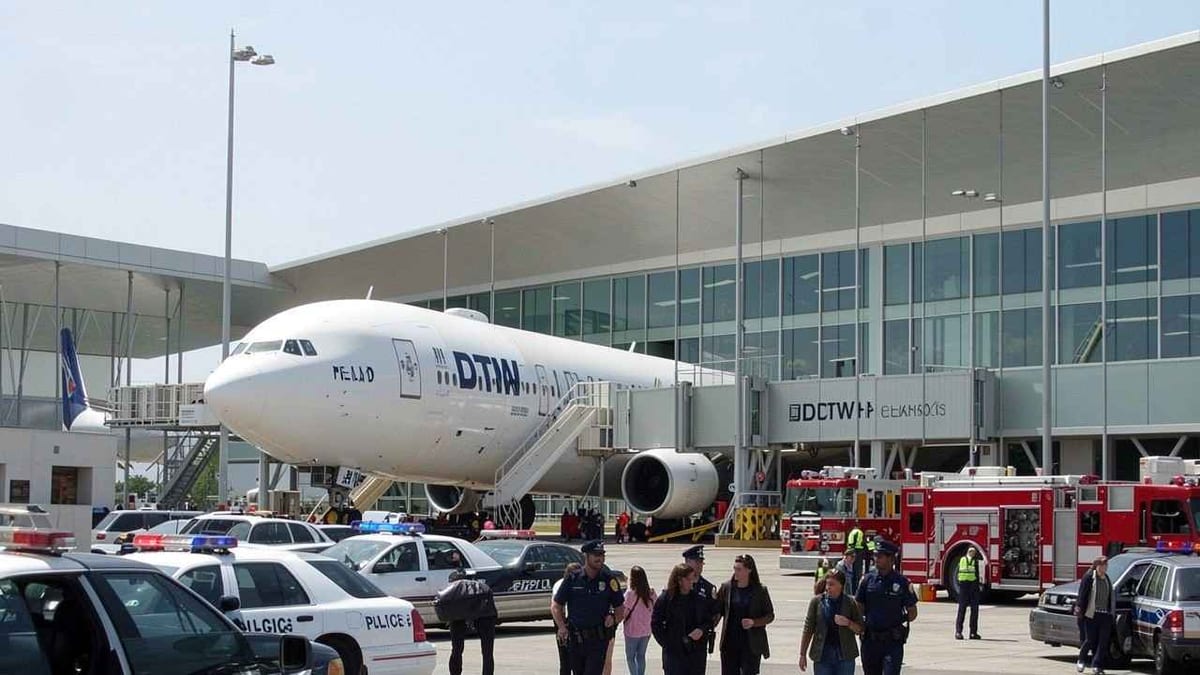
What happened and why diversions occur
Published coverage indicates the diversion was triggered by a medical situation involving a passenger, prompting the crew to seek the nearest suitable airport with appropriate on-the-ground support. In airline operations, these unscheduled landings are treated as safety-driven decisions: the priority is getting the affected traveler access to medical care as quickly as conditions allow.
Jet2’s published terms and conditions describe scenarios where a crew may divert to the nearest airfield if there are urgent concerns about a customer’s wellbeing. Those same terms also note the carrier can seek reimbursement for costs associated with a medical diversion, a detail that often surprises travelers who assume the airline automatically absorbs all consequences of an emergency landing.
While the exact passenger condition is typically not publicly detailed due to privacy considerations, the operational effect is visible: a flight that was supposed to arrive at one airport ends up on a different runway, at a different time, potentially in a different country, and the original plan for passengers, crew, and aircraft is instantly rewritten.
How a medical diversion can ripple into delays for everyone onboard
A diversion does not end when wheels touch down. Once the aircraft lands, the passenger needing care may require time to be transferred off the plane, and the crew must coordinate refueling, revised flight planning, slot availability, and paperwork before continuing. Even if the stop is brief, it can push the schedule past airport curfews or runway-slot limitations at the intended destination.
Another frequent constraint is crew duty-time limits. Published reporting on diversions across the industry has shown that an unplanned landing can cause pilots and cabin crew to “time out,” forcing airlines to source replacement crews before the flight can continue. That can turn a short interruption into hours of delay, or, in some cases, an overnight disruption.
For leisure carriers like Jet2 that run high aircraft utilization during peak travel periods, the knock-on effects can extend beyond the diverted service. A delayed aircraft may miss its next rotation, affecting later departures and creating additional rebooking pressure for customers who were not on the diverted flight at all.
Your rights after disruption: care, rerouting, and when compensation applies
For travelers, the immediate concern after a diversion is practical: getting to the original destination, understanding whether the flight will continue, and whether overnight accommodation or ground transport will be offered. Publicly available airline guidance for delays and cancellations emphasizes that some disruption causes are treated differently than others when it comes to compensation frameworks.
In the UK and EU air-travel context, airlines may still owe assistance such as rerouting options and basic care depending on circumstances, even when cash compensation is not due. Jet2’s customer-facing disruption pages and guidance documents reference passenger medical emergencies as a category that may affect eligibility for compensation under the relevant passenger-rights rules, which are designed to distinguish between issues within and outside an airline’s control.
Because outcomes can vary by departure country, arrival country, and which legal regime applies to a specific itinerary, travelers impacted by a diversion should keep a careful record of timings, boarding passes, and any written notifications provided during rebooking. If expenses are incurred during the disruption, receipts are important, whether the claim is later directed to the airline, a card benefit, or travel insurance.
Travel insurance and Jet2’s “fitness to fly” guidance come into focus
Medical diversions also tend to raise questions about travel insurance coverage. Jet2’s published “fitness to fly” information highlights situations where passengers may need medical clearance, additional oxygen arrangements, or a medical information form (MEDIF) for more complex cases. The airline’s assisted-travel documentation also outlines waiting periods and documentation expectations after certain medical events, which can be relevant for future travel planning.
Separately, Jet2’s terms and conditions explicitly state that the airline may seek reimbursement for extra costs associated with a medical diversion. Historically, this topic has drawn attention in past public discussions about who bears diversion costs and how travel insurers handle them. The practical takeaway for travelers is that comprehensive insurance and an accurate declaration of pre-existing conditions can matter, not only for healthcare abroad but also for disruption-related expenses that can follow an in-flight emergency.
For passengers traveling with known health risks, planning steps can include carrying essential medication in hand luggage, considering medical letters where appropriate, and reviewing airline policies on onboard medical equipment and assistance requests well before departure. Those measures cannot prevent emergencies, but they can reduce confusion when time-sensitive decisions are being made in the air.
What affected passengers can do next
After a diversion, the first step is confirming the final arrival plan: whether the flight will continue to the original destination, whether a replacement aircraft will be used, or whether passengers will be rerouted on alternative services. Travelers should monitor airport departure boards and any airline app notifications associated with their booking, since operational updates can change quickly after an unscheduled landing.
If the diversion results in arrival at a different airport than ticketed, passengers may need clarity on onward transport. In many cases, airlines arrange coaches or rebook onto other flights, but arrangements depend on location, time of day, and local capacity. Keeping all travel documents together and photographing any printed notices can help if a later claim is required.
Finally, travelers should separate three different tracks that can be confused in the moment: immediate care and rerouting handled at the airport, passenger-rights entitlements that depend on the cause and length of delay, and any insurance-based reimbursement for out-of-pocket costs. A medical diversion is, at its core, a safety event, but for everyone onboard, it can also become a complex travel disruption that takes days to fully resolve.