


More news on this day
JetBlue is rolling out a redesigned online booking experience and simplified fare structure as it readies BlueFirst, a new domestic first-class cabin set to debut on select routes later in 2026.
Get the latest news straight to your inbox!
New Booking Flow Centers on Onboard Experience
JetBlue is introducing a new shopping interface that asks customers to choose their onboard experience before selecting a specific fare type. Publicly available information shows that the carrier will organize its offerings around four products: Main, EvenMore, BlueFirst and Mint. The approach is designed to make it easier for travelers to compare seat types and inflight amenities at a glance, rather than navigating a mix of branded fares and upgrade options buried deeper in the purchase path.
Reports indicate that the updated interface will appear on JetBlue’s website and mobile app in the coming days, replacing the airline’s previous Core terminology with Main and folding a wider range of extras into clearly labeled experiences. The move aligns JetBlue with a broader industry shift toward experience-based shopping, where airlines emphasize cabin feel, space and service level before presenting the details of change fees, refunds and mileage earning.
According to published coverage of the announcement, JetBlue’s redesign aims to reduce confusion for customers weighing premium options such as Mint against more traditional domestic first-class seating. By placing all four experiences side by side, the airline is betting that travelers will have a clearer understanding of how BlueFirst fits within its existing product ladder and when Mint may still offer a higher level of privacy or comfort.
The airline’s digital overhaul arrives as many carriers continue to upgrade their e-commerce platforms, adding richer visuals, more dynamic pricing and clearer disclosures about what each ticket includes. For JetBlue, the shift is also part of a multi-year effort to sharpen its commercial performance while maintaining a customer-friendly brand identity.
Fare Structure Simplified Across Four Experiences
Alongside the new interface, JetBlue is restructuring its fares so that each onboard experience offers up to three tiers of flexibility and inclusions. Reports describe this as a “four by three” matrix: four experiences with as many as three fare options under each, starting with lower-cost Base fares and moving up to more flexible choices. The goal is to separate questions of comfort and seat type from decisions about changeability, refunds and extras.
Within this framework, Base fares will generally represent the lowest price point but with fewer benefits, such as the absence of included advance seat selection. Higher fare tiers are expected to add features such as no-change-fee arrangements, easier cancellations for travel credit and potentially higher mileage accrual or early boarding, depending on the experience selected.
Coverage in business travel outlets notes that this shift could have particular implications for corporate buyers and frequent flyers. Organizing fares by experience first may help travel managers steer employees toward specific cabins while still allowing flexibility on restrictions. At the same time, clearly labeled Base options in premium cabins could draw price-sensitive leisure travelers into trying higher cabins on certain routes.
Industry analysts point out that JetBlue’s redesign also positions the airline to adjust pricing more precisely within each cabin as it studies demand for BlueFirst and refined EvenMore seating. By standardizing how options are presented, JetBlue can more easily test new price points, bundles or promotional offers without reworking the overall booking flow.
BlueFirst: A New Domestic First-Class Option
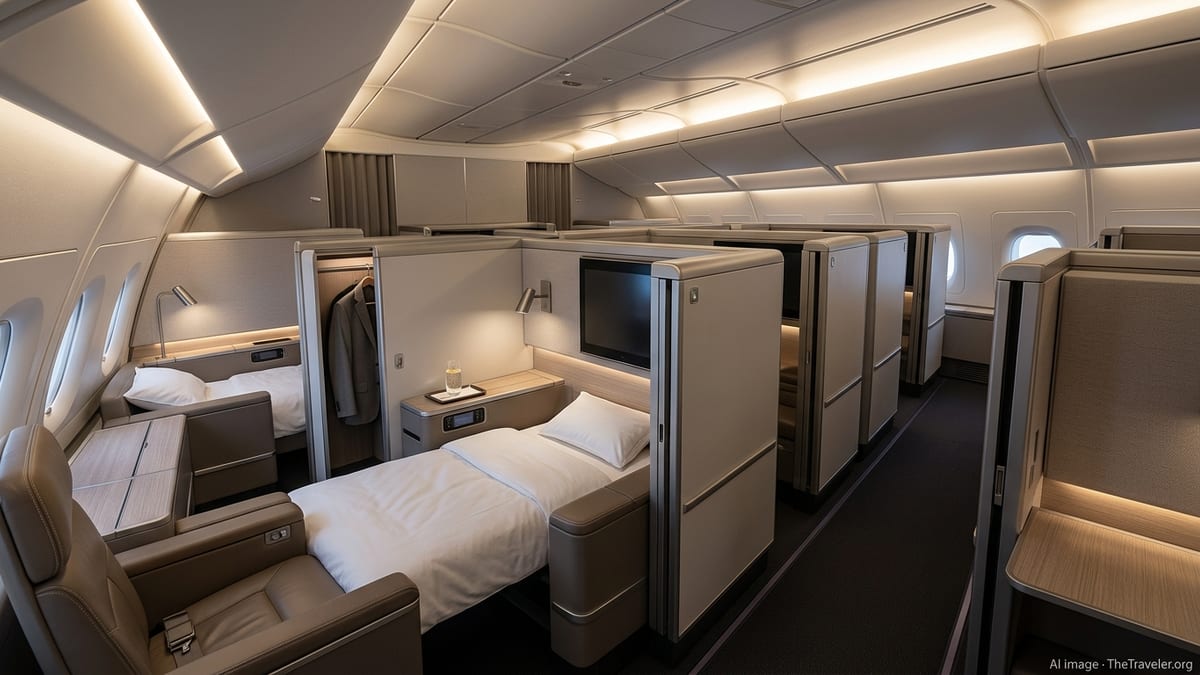
The centerpiece of the update is BlueFirst, JetBlue’s new domestic first-class experience that will be introduced on aircraft and routes that do not feature Mint. Published reports describe BlueFirst as a traditional first-class cabin with wider seats and additional space, targeted at shorter and medium-haul domestic routes where lie-flat Mint suites are not deployed.
According to airline statements summarized in recent coverage, BlueFirst is scheduled to begin rolling out later in 2026, with installation focused on non-Mint aircraft types. The branding is intended to be easily understood by customers familiar with domestic first-class on other U.S. carriers while keeping JetBlue’s “Blue” identity at the forefront.
Travel industry publications note that BlueFirst will sit between the extra-legroom EvenMore section and the fully flat Mint product in JetBlue’s hierarchy. This structure enables the airline to compete more directly with rivals that offer a conventional first-class product on most domestic routes, while still reserving Mint for transcontinental flights and select long-haul markets where a full business-class style suite is more appropriate.
Commentary from aviation analysts suggests that the introduction of BlueFirst is part of a broader strategy to capture higher-yield passengers and diversify revenue as JetBlue looks to strengthen its financial performance. By offering both a standard domestic first-class option and a more premium Mint experience, the carrier can tailor cabin configurations to route demand and competitive pressure.
Customer Reactions and Competitive Context
Early reaction from frequent flyers and aviation watchers, reflected in travel media coverage and online forums, shows a mix of curiosity and cautious optimism about the new booking design and BlueFirst cabin. Some travelers welcome the clearer separation between economy, extra-legroom, first-class and Mint, while others are watching closely to see how seat pitch, pricing and upgrade policies will compare with existing products.
Analysts note that JetBlue’s move comes amid intensifying competition in the U.S. premium travel market, where major carriers have been investing heavily in upgraded cabins, more spacious seats and refreshed onboard service. By adding a branded domestic first-class product, JetBlue steps more directly into that contest on routes where it previously offered only economy and Mint, potentially appealing to business travelers who expect a first-class option when booking.
Reports also highlight that the airline has been expanding its premium Mint network and updating loyalty offerings, suggesting that the new fare and booking structure is intended to knit these initiatives together under a single, more intuitive customer experience. For high-frequency travelers, the clarity of knowing exactly where BlueFirst sits relative to Mint, Main and EvenMore could influence airline choice when schedules and prices are similar.
How customers respond once BlueFirst cabins enter regular service will be closely watched by competitors and investors. Load factors, upgrade behavior and the willingness of travelers to pay for the new experience will provide early signals about whether the booking redesign and product expansion are delivering the returns JetBlue is seeking.
What Travelers Can Expect Next
JetBlue indicates that the refreshed booking flow will begin appearing for customers in the near term, even before the first BlueFirst seats are installed. This means travelers shopping for flights in the coming days may notice the new Main, EvenMore, BlueFirst and Mint layout on the airline’s digital channels, along with clearer descriptions of what each experience includes.
As aircraft are retrofitted and specific BlueFirst routes are confirmed, reports suggest that seat maps and cabin descriptions will be updated accordingly, giving customers a more detailed view of seating configuration and amenities before purchase. Until then, BlueFirst will appear primarily as a forthcoming option in the booking flow, signaling the product’s arrival later this year.
Observers expect JetBlue to fine-tune its messaging around BlueFirst and the broader fare structure based on early customer feedback and booking behavior. Over time, the airline may adjust the balance between Base and higher-tier fares within each experience, or introduce targeted offers to encourage trial of the new cabin.
For travelers, the most immediate change will be a more structured and visually distinct way of choosing how to fly with JetBlue. Whether the combination of a redesigned booking system and a new domestic first-class cabin reshapes the competitive landscape will depend on how effectively the airline can translate these digital and onboard upgrades into tangible value that passengers are willing to pay for.