


More news on this day
New York’s John F. Kennedy International Airport has recorded a new spike in disruption, with 76 delays and seven cancelled flights affecting carriers including Republic Airways, JetBlue, Endeavor Air, American Airlines and others on busy routes to Orlando, San Francisco, Miami, London and additional domestic and international destinations.
Get the latest news straight to your inbox!
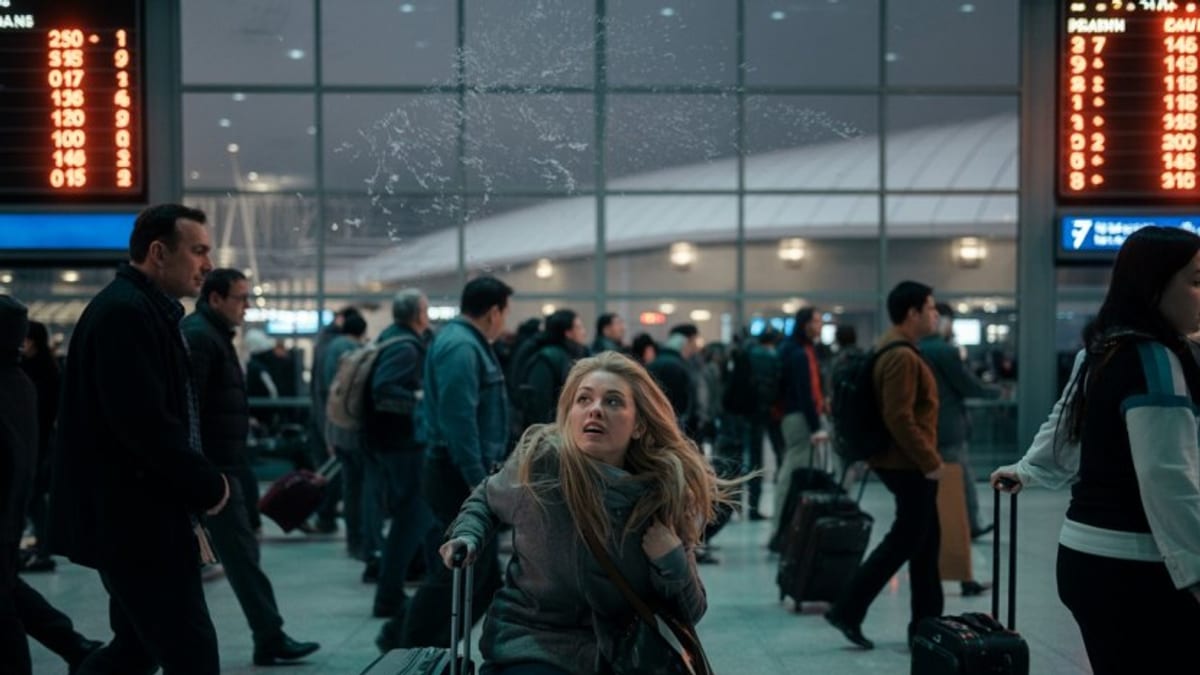
Operational Pressures Hit Major Carriers At JFK
Publicly available tracking data for May travel shows that a cluster of delays and cancellations at John F. Kennedy International Airport has coincided with a busy spring schedule and heavy reliance on the hub by several large U.S. airlines. Industry dashboards that aggregate performance by airport indicate that dozens of services departing and arriving at JFK have run late or been withdrawn from the schedule, with 76 flights delayed and seven cancelled across a single operational window.
American Airlines, JetBlue, Republic Airways and Endeavor Air feature prominently in traffic at JFK, reflecting their role in feeding both domestic networks and long haul services. Recent federal on time performance data highlights that these carriers already operate in a tightly stretched system, with JetBlue and regional operators such as Republic and Endeavor historically reporting notable shares of late arrivals and cancellations across their networks. When a large hub experiences even modest disruption, those structural pressures can translate quickly into visible delays on departure boards.
Reports from aviation analytics firms describe how these latest schedule problems at JFK have built on a broader pattern of strain across the New York region’s airports. Previous weeks brought significant disruption at nearby LaGuardia, and analysts note that attempts to rebalance aircraft and crews among LaGuardia, JFK and Newark can leave airlines exposed when conditions tighten at more than one field simultaneously.
For travelers booked on Republic, JetBlue, Endeavor or American services, the result over the most recent period has been extended gate holds, rolling pushback times and, for a smaller share of passengers, outright flight cancellations. In many cases, knock on effects have then spread into later rotations as aircraft arrive and turn later than scheduled.
Key Leisure And Business Routes Disrupted
The impact from JFK’s latest wave of delays has been felt most clearly on high demand leisure and business routes. Tracking tools that follow disruption across the United States highlight services linking New York with Orlando, Miami and San Francisco among those affected, as well as transatlantic departures to London. These routes typically carry heavy volumes of holidaymakers and business travelers in late spring and early summer, magnifying the real world consequences of relatively small schedule slips.
Flights between JFK and Orlando as well as JFK and Miami are especially sensitive because they intersect with busy Florida airport operations, where local thunderstorms and air traffic management programs frequently constrain capacity. Analysts point out that if Orlando or Miami is operating under a ground delay program or experiencing convective weather, flights from New York may be held at gates or throttled on departure, contributing to the tally of delays attributed to JFK.
On the West Coast, San Francisco’s chronic vulnerability to low clouds and coastal fog can also compound issues for New York departures. If SFO is subject to arrival metering that reduces inbound acceptance rates, departing flights from JFK may be slowed or rescheduled to avoid airborne holding over California. When those aircraft are operated by airlines that rely on tight aircraft turns, such as certain JetBlue and American rotations, late arrivals into San Francisco can cascade into subsequent segments.
Transatlantic links to London add another layer of complexity. Evening departures from JFK to Heathrow and other London airports must be sequenced through busy North Atlantic tracks that have limited flexibility. If New York departures slip beyond their assigned window, carriers may have to wait for a fresh routing slot, amplifying delays for long haul travelers and potentially pushing arrival times in the United Kingdom into more congested morning peaks.
Weather, Congestion And Network Design Behind The Numbers
Meteorological records for mid May at JFK show generally favorable flying conditions overall, but aviation weather analyses emphasize that disruption does not require severe storms to take hold. Even modest frontal passages, crosswinds or low ceiling periods can reduce runway throughput, especially during peak departure banks in the afternoon and evening. Once throughput falls below scheduled movements, queues develop and delay minutes accumulate.
Experts who study New York airspace note that chronic congestion in the region’s terminal airspace plays a central role. JFK shares crowded approach and departure corridors with LaGuardia and Newark, and federal oversight reports have long described how small perturbations in one airport’s operation can ripple outward. When a carrier like American or JetBlue operates concentrated banks of flights through JFK, any metering program or flow restriction imposed by air traffic control can immediately disrupt banked connections.
Network design also matters. Republic Airways and Endeavor Air function primarily as regional feeders for larger network airlines, operating multiple short hops per day with fast turnarounds. When one early morning or midday sector runs late into JFK, all subsequent legs for that aircraft and crew risk inheriting a delay. In a busy travel period, spare aircraft and crews may be limited, giving airlines few options to reset the operation quickly.
Historical performance statistics published for 2025 underline how New York’s primary international hub has struggled to keep disruption in check. Previous year reports on U.S. airports show that JFK saw roughly three quarters of departing passengers leave on time, with about a quarter of flights experiencing delays and a smaller but material fraction cancelled. Analysts say the latest figures of 76 delays and seven cancellations on a single day fit within this broader pattern of volatility at large hubs.
Knock On Effects At Orlando, Miami, San Francisco And London
The immediate disruption at JFK is only part of the story. When flights depart late or are cancelled out of New York, airports at the other end of the route often feel secondary impacts as aircraft arrive off schedule, crews bump up against duty time limits and passengers miss onward connections. Monitoring portals for airport performance point to elevated disruption metrics at Orlando, Miami and San Francisco on the same days that JFK has struggled, suggesting that the knock on effects have been significant.
In Orlando, where spring and early summer storms are common, late arriving JFK flights can interfere with already busy evening departure banks. Travelers attempting to connect onward to other Florida cities or Caribbean destinations may find their connections compressed or missed altogether, requiring rebooking. Similar patterns play out at Miami, an important gateway to Latin America and a key hub for American Airlines, where deviations from schedule can have network wide consequences.
San Francisco’s role as a technology and transpacific hub means that late evening arrivals from the East Coast can affect next day operations if aircraft are scheduled to continue across the Pacific or up and down the West Coast. Industry observers warn that what appears as a single late flight from JFK can, in practice, translate into a chain of disruptions touching several airports and hundreds of passengers.
Across the Atlantic, late departures from New York to London can compress overnight flight times or delay arrivals into arrival peaks that stretch airport and ground resources. Travelers connecting in London to onward European or domestic services may face missed connections and extended layovers as airlines work through backlogs created many hours earlier on the U.S. East Coast.
What Travelers Can Do As New Disruptions Emerge
Consumer advocacy groups advise passengers using JFK and its major carriers to prepare for the possibility of delays during peak spring and summer periods. Travelers are encouraged to monitor their flight status through airline channels and independent trackers, and to pay close attention to message alerts about gate changes or revised departure times when disruption levels rise.
Published guidance from passenger rights organizations suggests that travelers should keep documentation of any disruption, such as boarding passes, screenshots of delay notices and receipts for essential expenses incurred while waiting. These records can prove useful when seeking compensation under applicable regulations or when requesting vouchers or refunds from airlines after cancellations.
Analysts also recommend building extra time into itineraries involving connections through JFK, particularly when flying on carriers with dense schedules such as American, JetBlue, Republic and Endeavor. Booking longer layovers, favoring earlier departures in the day and avoiding tight same day intercontinental connections can reduce the risk of serious trip disruption when the airport experiences another spike in delays.
With the latest count of 76 delays and seven cancellations at JFK adding to a season of heightened operational stress across the U.S. network, travelers and airlines alike face another reminder of how quickly conditions at a single hub can reshape travel plans across multiple states and even continents.