


Juan-les-Pins is where the French Riviera slows down just enough to let you enjoy it. This small curve of coast between Antibes and Cap d’Antibes is famous for its sandy beaches, long summer evenings on café terraces, and one of Europe’s most atmospheric open-air jazz festivals. Choosing the right moment to visit can mean the difference between a calm swim in glassy water, a packed festival night under the pines, or a shoulder-season escape with locals. Here is how the year unfolds, and when to come for the best combination of beach days and summer events.
Get the latest updates straight to your inbox!
Understanding Juan-les-Pins Weather and Sea Conditions
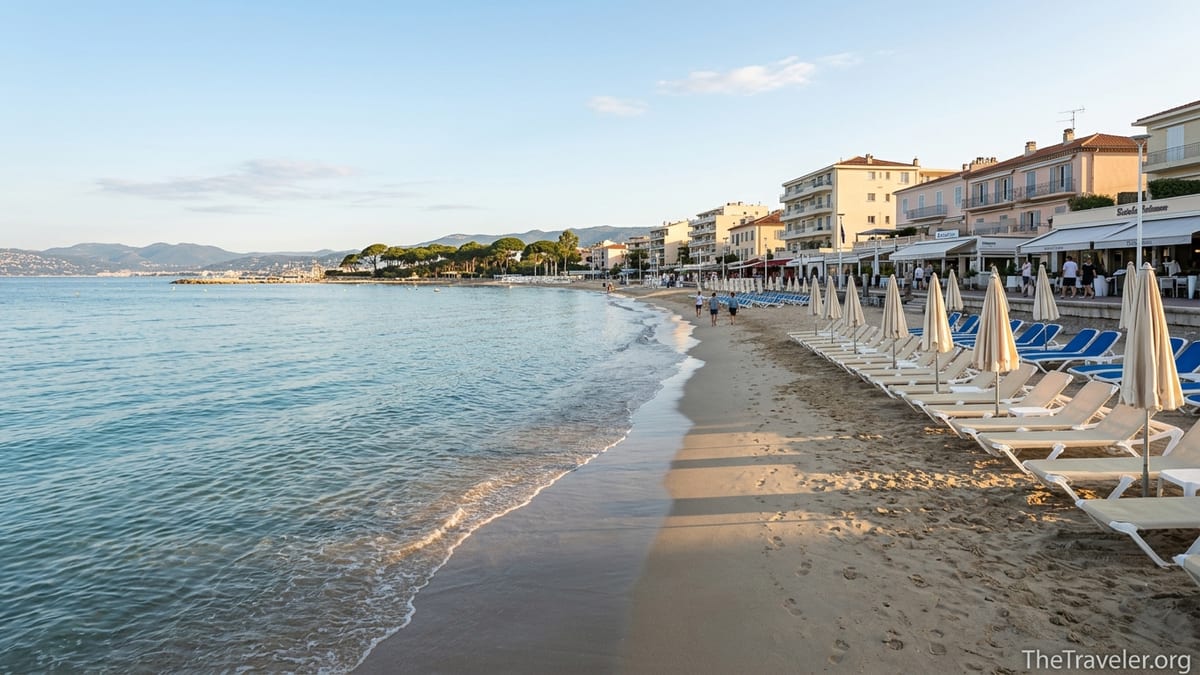
Juan-les-Pins has a classic Mediterranean climate with mild winters and long, dry summers. Air temperatures along this stretch of the Côte d’Azur typically climb into the mid to high 20s Celsius from June through September, often touching 30 degrees on the hottest afternoons. Skies are usually clear, with only occasional short-lived storms, which means you can plan on a reliably sunny beach holiday for much of the warm season.
The sea is a different story. It lags behind the air by several weeks, so early spring visitors find water that looks inviting but feels brisk. Recent measurements put the average water temperature in summer around the mid-20s Celsius, with typical seasonal averages close to 24 degrees in August. In practice that means pleasant swimming without a wetsuit from roughly late June to late September, and truly warm, bath-like water in August.
In winter and early spring, sea temperatures hover in the mid-teens Celsius. You will see hardy locals swimming at Plage du Pont Dulys or Plage de la Gallice even in April, but most visitors prefer a pool or a sunbed with a sweater. If your priority is daily sea swimming and lingering in the water, plan for mid-June at the earliest, and expect the most comfortable temperatures in July, August, and the first half of September.
Wind and chop matter too. Juan-les-Pins is relatively sheltered compared with more exposed stretches of the coast, thanks to the curve of the bay and the bulk of Cap d’Antibes. On many summer days, the sea is calm enough for paddleboards and pedalos, and rental booths on the main beaches set up early in the morning. Afternoon breezes can kick up some small waves, but full beach days are rarely lost to bad weather between June and September.
High Summer: July and August for Peak Beach Vibe and Big Events
July and August are when Juan-les-Pins is at its most famous and its most intense. This is the moment for travelers who want the classic Riviera atmosphere: crowded but convivial beaches, late-night bars on Boulevard Edouard Baudoin, and a festival calendar that stacks jazz, fireworks, open-air cinema, and small neighborhood events into most weeks.
The signature event of the season is Jazz à Juan, held at the Pinède Gould, the open-air pine grove right by the sea. For 2026, the festival is scheduled in early to mid-July, following recent editions that have run roughly from the second week of July for 10 to 12 evenings of concerts. A typical night might begin with a rising European jazz quartet and end with a world-famous headliner playing to a seated audience that spills out onto the sand and rocks along the water. Ticket prices vary by artist and category, with recent editions offering entry-level seats around a few dozen euros and premium “Or” categories exceeding one hundred euros for the biggest names.
If you are visiting during Jazz à Juan, the town takes on a distinctive rhythm. Before sunset, the pine grove fills with people carrying beach bags and picnic supplies; after the final encore, crowds drift down to the promenade and nearby bars. Parallel “Jammin’ Summer Session” concerts, often free and held at Petite Pinède and other small squares, turn the streets into informal stages. For travelers, this means you can spend the day on the sand at a beach like Plage du Casino, then wander into a live performance within a few minutes’ walk in the evening without ever getting into a car.
Mid-July also coincides with Bastille Day, when a large fireworks display is traditionally launched over the bay of Juan-les-Pins. On the night of 14 July, beach restaurants set up special fixed-price menus and reserve waterfront tables hours in advance. Expect minimum spends on the sand, and be ready to book a table or a boat trip well ahead if you want a front-row view. Combined with the festival, this period is the absolute peak for nightlife, noise, and crowds.
June and September: The Sweet Spot for Relaxed Beach Days
For many travelers, the best time to visit Juan-les-Pins is not high summer but the edge of it. June and September offer a balance that is hard to beat: warm enough for comfortable swimming, lively enough that restaurants and bars are fully open, and quiet enough that you can still spread out your towel without queuing for a spot.
In early June, the town is waking up from the off-season. Beach clubs begin installing their rows of sun loungers, and by mid-June almost all seasonal venues are open. You might find a front-row lounger with umbrella at a private beach like Helios or Juan Beach for a day rate that is noticeably lower than July and August prices. The sea has usually warmed past 20 degrees by this point, which many swimmers find perfectly acceptable for long dips, especially in the calm mornings.
September, especially the first half, is often the insider’s choice. The sea retains much of its summer heat, while the air begins to cool slightly and the bulk of the French school holidays has passed. On a typical weekday in mid-September, you might share Plage du Ponton Courbet mostly with locals, retirees, and a scattering of visitors reading under parasols. Beach clubs that were fully booked two months earlier offer walk-in loungers, and the town center shifts from families with strollers to couples lingering over late dinners.
These shoulder periods are also ideal for combining beach days with small-scale cultural events. Jam sessions and smaller municipal concerts still pop up in the squares, but without the crush of festival crowds. If you enjoy long lunches followed by unhurried swims and sunset walks around Cap d’Antibes rather than headline acts, planning for the first three weeks of June or the first three weeks of September will give you an excellent balance.
Spring and Autumn: Quieter Riviera Escapes With Occasional Swims
Outside the core summer months, Juan-les-Pins has a more residential feel. From March through May, and again from October into early November, the town sees a mix of locals, second-home owners, and travelers who are more interested in gentle weather and coastal walks than long days on sunbeds. Daytime highs during these periods often sit between 15 and 22 degrees Celsius, pleasant for outdoor cafés and hiking on Cap d’Antibes, but the sea remains cool, especially in early spring.
By late April or early May, some beach clubs begin partial setups, especially on weekends, but you should not count on full services such as lifeguards, pedalos, and water-ski rental until closer to June. Public beaches are, of course, always open, and you can still lay out a towel on Plage du Pont Dulys or Plage de la Colonie and enjoy a sunny afternoon with a light jacket close at hand. Swimmers during this season are mostly locals and fitness enthusiasts used to cooler water.
Autumn has a gentler, slightly melancholic charm. Through much of October, you can still eat outdoors on the terraces along Rue Saramartel or on the seafront, with the occasional brave swimmer in the bay. Some events shift indoors, such as exhibitions and smaller concerts held at the Palais des Congrès in Juan-les-Pins or in nearby Antibes. Prices for accommodation start to drop, and you can sometimes find sea-view hotel rooms for a fraction of high-season rates.
Travelers focused on hiking, photography, and exploring nearby old towns like Antibes, Biot, and Vallauris will find these months attractive. Roads and trains are less crowded, parking at the trailheads around Cap d’Antibes is easier, and a sudden rainy day simply becomes an excuse for a leisurely lunch and a visit to the Picasso Museum in Antibes before returning to a quiet dinner in Juan-les-Pins.
Planning Around Major Summer Events and Practicalities
Timing your visit around the events calendar can transform your experience. If you want to be in the middle of the action, aim for the two weeks surrounding Jazz à Juan in July. Beyond the main ticketed concerts at Pinède Gould, the festival atmosphere spills into town with free and low-cost happenings: marching bands parading through Antibes and Juan-les-Pins, early evening “before” concerts in small squares, and photo or poster exhibitions tracing the festival’s history.
Accommodation fills quickly during this period. Seafront hotels along Boulevard Edouard Baudoin and Rue Louis Gallet, as well as popular mid-range options within walking distance of the pine grove, often reach high occupancy months in advance. Prices rise accordingly. For a July stay, consider reserving as early as late winter if you want specific properties, balcony sea views, or family rooms. Short-notice bookings are still possible inland or in Antibes proper, but you may need to rely on the local train or bus to get back after late shows.
Outside the main jazz festival, summer brings a rolling program of municipal fireworks, music nights, and themed evenings at beach restaurants. For example, some private beaches hold weekly DJ nights or live bands, advertised on posters along the promenade or on chalkboards in front of the venues. Prices for these evenings can range from a simple drink at the bar to fixed-price dinners with reserved sunbed-style seating. The key is to walk the seafront when you arrive, note what is scheduled in the coming days, and build your beach days around the nights that interest you.
Transport during high season is generally reliable but busy. The coastal train that connects Juan-les-Pins with Antibes, Cannes, and Nice runs frequently, and late-night services allow you to attend events in neighboring towns and return without a car. However, parking in Juan-les-Pins can be challenging on festival nights, with underground garages and street spots filling early. If you are driving, it is wise to park once in the late afternoon and leave the car until after midnight, or choose accommodation within a comfortable walking radius of the beach and the pine grove.
Choosing the Right Month for Your Travel Style
When you visit Juan-les-Pins should reflect the kind of trip you want. If your ideal day involves renting a stand-up paddleboard in the morning, staking out a sunbed at a private beach, then catching a big-name jazz act before cocktails at a waterfront bar, target early to mid-July. You will get long daylight hours, warm seas, and the densest calendar of cultural events, accepting the trade-off of higher prices and crowded streets.
Travelers who prioritize relaxation and value may be happier in late June or early September. Imagine waking up to a quieter promenade, finding plenty of space at Plage du Casino with both public sand and private clubs open, and ending the evening with a simple dinner at a neighborhood bistro rather than queuing for festival gates. You can still dip into occasional concerts and events, but the rhythm of your days is set by the sea and the sun rather than by a timetable of headliners.
Families with school-age children often gravitate to August, when the water is warmest and kids can spend hours in the shallows with inflatables, pedalos, and parasailing on offer from various beach operators. Be aware that August is also when domestic tourism peaks, so you will encounter more traffic on the coastal roads and more competition for shade on the sand. Booking family-friendly accommodation with a pool can be a smart move in this month, giving you a retreat when the beaches feel too busy.
Couples, solo travelers, and retirees who are free to choose their dates might look to late May, June, or late September for a more adult, gentler atmosphere. Picture late breakfasts on shaded terraces, quiet swims, and unhurried walks to the lighthouse on Cap d’Antibes, broken up by espressos at local cafés rather than by the need to secure seats at a sold-out show. Your budget will go further, and you can decide each morning whether it will be a full beach day, a side trip to nearby hill towns, or a mixture of both.
The Takeaway
Juan-les-Pins is a destination that changes personality with the seasons, but it never entirely loses its core appeal of sea, sun, and easygoing nights. High summer in July and August brings world-class jazz, fireworks over the bay, and the warmest sea temperatures, at the price of crowds and top-tier room rates. The shoulder seasons of June and September preserve most of the beach pleasures with fewer people and a more relaxed pace, while spring and autumn strip the experience back to soft light, quiet cafés, and walks along an almost-empty shore.
If you dream of joining thousands of fans under the pines at Pinède Gould, plan around the Jazz à Juan dates and book early. If what you want instead is your own patch of sand, leisurely swims, and the sense of having stumbled into a local seaside town that just happens to be on one of Europe’s most glamorous coasts, then late June or September will likely suit you best. Whatever your timing, the combination of sheltered bay, sandy beaches, and compact, walkable streets makes Juan-les-Pins an easy place to settle into, and an equally hard place to leave.
FAQ
Q1. When is the best month to visit Juan-les-Pins for both beaches and events?
June, July, and early September are ideal. June and early September offer warm seas with fewer crowds, while July adds major events like Jazz à Juan on top of prime beach weather.
Q2. How warm is the sea in Juan-les-Pins in summer?
In summer the average sea temperature usually reaches the mid-20s Celsius, with the warmest water in August and pleasant swimming conditions from late June through most of September.
Q3. Is August too crowded for a beach holiday in Juan-les-Pins?
August is the busiest month, with French school holidays, full beaches, and higher prices. It is still enjoyable if you book accommodation and beach clubs early and are comfortable with a lively atmosphere.
Q4. Do I need to book Jazz à Juan tickets in advance?
For popular nights and top-billed artists, booking in advance is strongly recommended. Less famous performers and weekday shows may have same-day availability, but seats and categories can be limited.
Q5. Can I enjoy Juan-les-Pins in spring if I am not a strong swimmer?
Yes. Spring is excellent for coastal walks, terrace cafés, and exploring nearby Antibes and hill villages. You may find the sea cool, but sunny days still make the beaches pleasant for relaxing.
Q6. Are there free events in Juan-les-Pins in summer?
Yes. Alongside Jazz à Juan’s ticketed concerts, the town hosts free Jammin’ Summer Session performances, marching bands, and smaller municipal events in squares and at Petite Pinède during the season.
Q7. Is it easy to get around without a car in high season?
Generally yes. Trains and local buses connect Juan-les-Pins with Antibes, Cannes, and Nice, and many summer events are within walking distance of central hotels and apartments.
Q8. Which month has the best balance of price and weather?
Late June and mid to late September typically offer the best balance, with warm weather and sea, open services, and room rates that are often lower than July and August peaks.
Q9. What should I pack for an early summer trip?
Pack light clothing, swimwear, a hat, and good sunscreen, plus a light sweater or jacket for breezy evenings. Comfortable sandals or sneakers are useful for walking the Cap d’Antibes paths.
Q10. Is Juan-les-Pins suitable for families with children?
Yes. Its sandy, gently shelving beaches, calm bay, and family-friendly beach clubs make it popular with families, especially in July and August when water sports and kids’ activities are widely available.