


More news on this day
Kazakhstan is emerging as a surprise hotspot for Australian travellers, as a broader tourism boom and fresh Silk Road themed itineraries tempt visitors away from traditional European routes toward the vast steppes and mountain cities of Central Asia.
Get the latest news straight to your inbox!
Tourism Surge Repositions Kazakhstan on the Global Map
Recent tourism data indicate that Kazakhstan is consolidating its status as one of Central Asia’s fastest growing destinations, with both domestic and inbound travel hitting new highs. Official statistics show tourism consumption rising strongly in 2024, supported by a marked increase in city breaks, cultural trips and nature-based holidays across the country.
The country’s main gateways, Astana and Almaty, are recording particularly strong gains. Local government figures for 2024 report around 1.5 million tourist visits to Astana, up more than 10 percent year on year, while Almaty welcomed a record 2.3 million visitors as the city strengthened its role as a regional hub for leisure and business travel. Industry briefings describe tourism as a new growth point for Kazakhstan’s economy, backed by investment in infrastructure and hospitality.
Parallel to city growth, Kazakhstan’s broader tourism landscape is expanding around clusters focused on nature, culture and adventure. Mountain zones near Almaty, lakes in the east and south, and heritage sites linked to Silk Road caravan routes are all being packaged into itineraries that appeal to long-haul travellers seeking multi-stop journeys across Central Asia.
Officials and analysts highlight that these gains are occurring as neighbouring countries, including Uzbekistan and Kyrgyzstan, also push to capitalise on Silk Road branding. For Kazakhstan, the current upswing offers an opportunity to capture a larger share of international arrivals while diversifying away from energy exports.
Australians Look Beyond Europe and Bali
Against this backdrop, Australian travellers are increasingly factoring Kazakhstan into extended journeys through Central Asia. Australian Bureau of Statistics publications for the 2023 to 2024 financial years show outbound travel recovering strongly, with long-haul trips rebounding as capacity returns across Asia and Europe. While Kazakhstan remains a niche destination compared with Southeast Asia or North America, tour operators and booking platforms report rising interest from Australia in itineraries that link several countries along the historic Silk Road.
Australian travel companies have added or expanded multi-country Central Asia products, often marketed as “Five Stans” or Silk Road adventures that include Kazakhstan, Uzbekistan, Kyrgyzstan and Tajikistan. Brochures distributed in the Australian market set out 20 to 30 day journeys combining city stays, desert fortresses and trekking in mountain regions, underscoring a shift toward slower, more exploratory travel among high-spending, time-rich visitors.
Industry surveys of Australian holidaymakers in 2024 suggest that travellers are seeking alternatives to crowded European capitals and overdeveloped resort strips. Reports note growing interest in under-the-radar destinations perceived as authentic, affordable and culturally distinctive. In this context Kazakhstan’s blend of Soviet-era architecture, steppe landscapes and nomadic heritage is increasingly cited as a compelling contrast to conventional routes.
Travel commentary and trip reports shared online from Australians and other English-speaking visitors also appear to be amplifying the trend. Social media posts featuring Almaty’s mountain backdrop, Astana’s futuristic skyline and remote canyons in Mangystau are helping to reposition Central Asia from a specialist niche toward a viable alternative for experienced travellers.
Silk Road Branding and New Routes Drive Adventure Appeal
Kazakhstan is actively leveraging its location on the historic Silk Road to build thematic tourism products that resonate with international markets. Government communications describe the launch of the Zhibek Zholy tourist train in 2024, linking Almaty with Tashkent in Uzbekistan on a five day journey framed as a modern Silk Road experience. The service offers a curated route through key sites in southern Kazakhstan before crossing the border to Central Asia’s best known caravan cities.
Alongside rail, local and regional authorities are promoting road corridors and touring loops that connect Kazakhstan with Kyrgyzstan and Uzbekistan. The relatively open borders within Central Asia, combined with visa simplifications and e-registration systems, are making it easier for foreign visitors to cross multiple frontiers on a single trip. For Australians, who often plan longer holidays to offset the time and cost of long-haul flights, these linked routes are a crucial selling point.
Silk Road branding also extends to cultural festivals, museum upgrades and restored trading towns in southern regions. Tourism promotion materials foreground mausoleums, caravanserais and UNESCO listed sites while pairing them with homestays, guesthouses and yurts that allow visitors to experience contemporary Kazakh rural life. Travel agencies in Australia frequently position these experiences as a way to “retrace the Silk Road” without the dense crowds now common in parts of western China and the Mediterranean.
The narrative of discovery is further reinforced by photography tours, trekking expeditions and overland expeditions sold out of Australia that highlight Kazakhstan’s role as both a destination and a transit point on longer Silk Road adventures extending into Mongolia or the Caucasus.
Adventure, Nature and Urban Culture in One Itinerary
Adventure tourism is one of the strongest drawcards for Australians heading to Kazakhstan. Municipal updates from Almaty indicate ongoing investment in mountain infrastructure, including the improvement of more than 100 kilometres of hiking trails in 2024, as well as upgrades around popular sites such as the Medeu skating rink and Shymbulak ski resort. These facilities are marketed internationally for skiing, snowboarding and summer trekking within easy reach of the city.
Beyond Almaty, tour programs highlight canyon landscapes, alpine lakes and semi-desert plateaus that support activities from horse trekking and cycling to wildlife watching. International trip reports reference locations such as the Charyn Canyon and remote rock formations in Mangystau, illustrating how relatively accessible wilderness areas can be combined with city stays for travellers comfortable with modest infrastructure.
At the same time, Kazakhstan’s largest cities are positioning themselves as cultural destinations. Almaty promotes a mix of museums, Soviet modernist architecture and café culture, while Astana focuses on futuristic landmarks and major events ranging from business forums to sports competitions. This dual offer of outdoor adventure and urban experiences is particularly appealing to Australian visitors who expect diversity from a single long-haul trip.
Local tourism bureaus are also working with international payment providers and hospitality partners to make city stays smoother for foreign guests, adding contactless transport systems, new mid-range hotels and English language signage in key districts. These changes are gradually lowering practical barriers that may once have deterred independent travellers.
Capacity, Connectivity and Sustainability Challenges Ahead
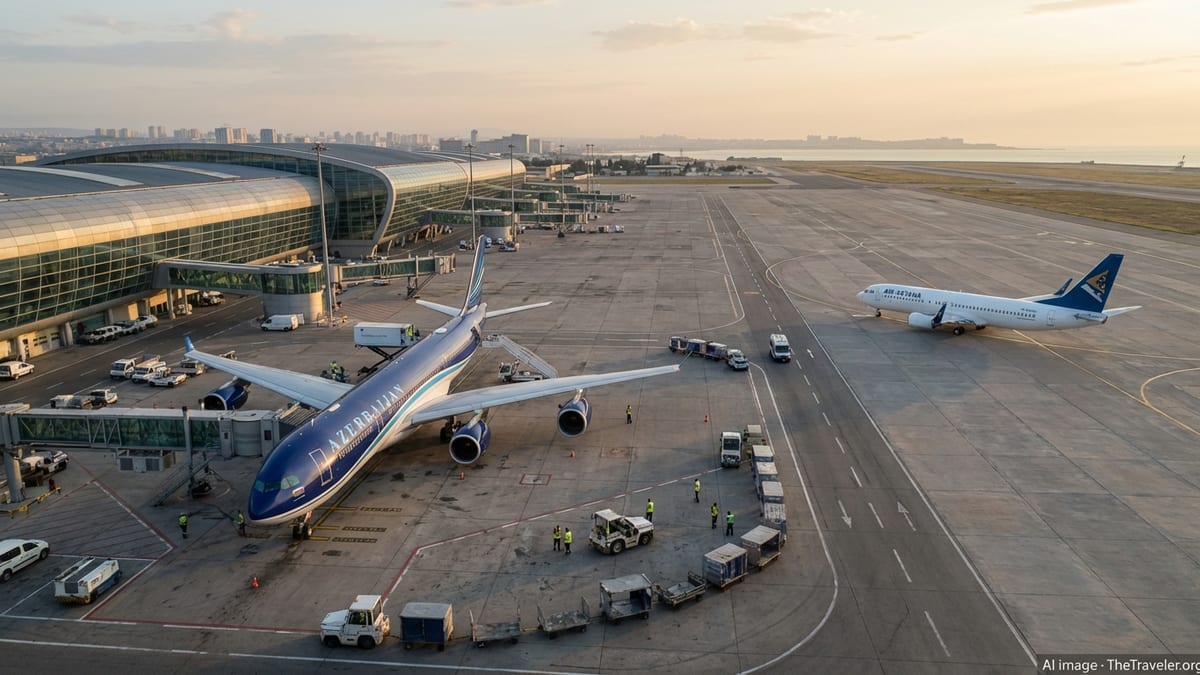
Despite the positive momentum, several challenges remain as Kazakhstan attempts to capture a larger share of the Australian market. Direct flights between Australia and Kazakhstan are not yet available, meaning most travellers connect through hubs such as Dubai, Abu Dhabi, Istanbul, Singapore or Seoul. Industry observers note that while one-stop options have improved, overall seat capacity into Central Asia still lags behind that of more established destinations, keeping fares relatively high during peak seasons.
On the ground, accommodation and transport infrastructure in secondary cities and rural areas can be stretched during summer, when domestic and regional tourism peaks. Visitors frequently report limited availability of English speaking guides outside major centres and variable standards among smaller guesthouses. As awareness grows, managing expectations and ensuring consistent quality will be critical for maintaining Kazakhstan’s reputation among demanding long-haul guests.
There is also a growing debate around sustainability in sensitive mountain and desert environments. Local authorities are promoting eco-tourism labels and community based projects in villages that serve as gateways to national parks, aiming to spread economic benefits while limiting overuse of fragile landscapes. Australian tour operators specialising in small group and responsible travel are beginning to incorporate these initiatives into their marketing, positioning Kazakhstan as a destination where adventure can align with local conservation priorities.
For now, rising arrival numbers and an expanding portfolio of Silk Road themed journeys suggest that Kazakhstan’s bet on tourism is paying off. As more Australians look beyond Europe and traditional Asian beach breaks, the country’s mix of frontier allure, cultural depth and improving connectivity is likely to keep Central Asia on the radar of adventurous travellers.