


More news on this day
On the northern tip of Kefalonia, a short walk through cypress and pine forest opens suddenly onto Kimilia Beach, a white-pebble cove now drawing attention as a discreet retreat for nature travellers who want the Ionian islands at their most unspoiled.
Get the latest news straight to your inbox!
A Forest Path to a Little-Known Ionian Cove
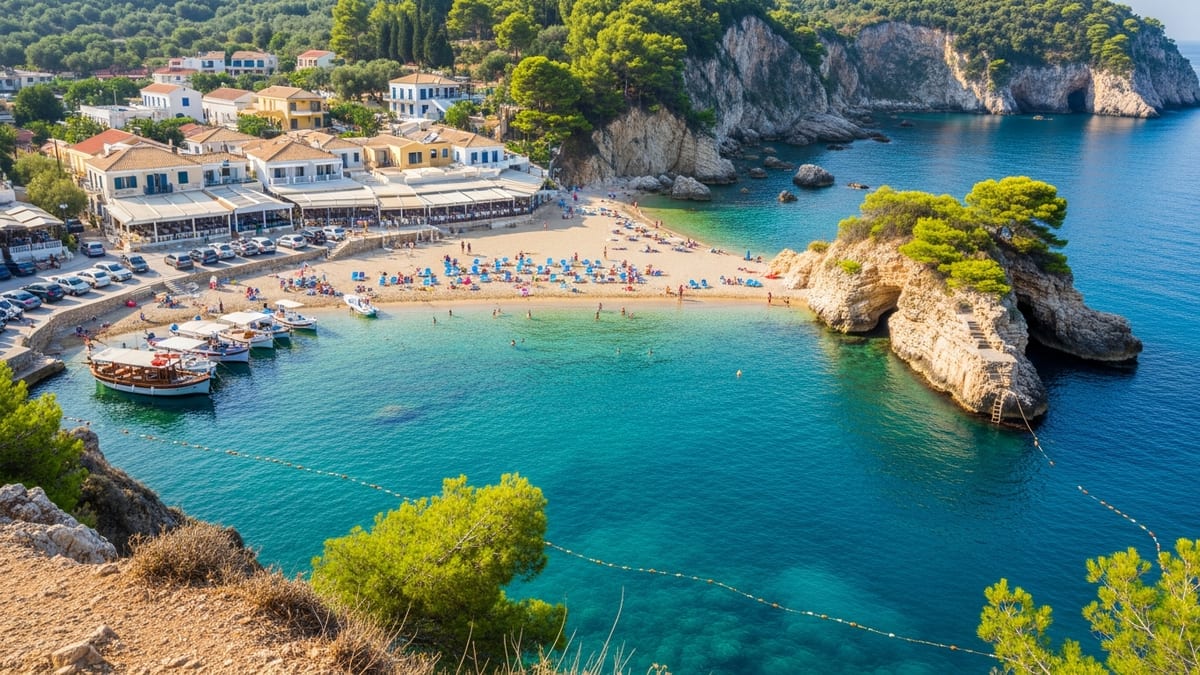
Kimilia Beach sits close to the harbour village of Fiskardo in northern Kefalonia, but it feels far removed from the island’s busier resorts. Publicly available guides describe a modest approach either by boat or via a footpath that begins near Emblisi Beach or local roadside parking, leading through a shaded belt of cypress, pines and low shrubs before the trees part to reveal the bay.
The shoreline is a sweep of rounded white pebbles and rock shelves, with clear water that shifts from pale turquoise in the shallows to deep blue farther out. Travel features and visitor accounts consistently highlight the clarity of the sea and the sense of arrival after the walk in, with the forest backdrop reinforcing the impression of a natural amphitheatre rather than a built-up resort beach.
Unlike more developed beaches elsewhere on Kefalonia, Kimilia has no permanent facilities on the shore. Reports indicate that the absence of sunbed lines, loud music or restaurants has helped preserve a calmer atmosphere, attracting travellers who are comfortable bringing their own water, shade and basic supplies and leaving little trace behind.
Appeal for Nature Travellers and Slow Tourism
Kimilia’s growing profile fits a broader shift in Ionian travel, in which visitors increasingly seek quieter, low-impact experiences away from headline destinations. Regional travel coverage places the cove in a cluster of small, relatively wild beaches around Fiskardo that are promoted for swimming, snorkeling and gentle hiking rather than for large-scale beach clubs.
The cove’s small size naturally limits visitor numbers at any one time, which can result in a more tranquil experience than at some of Kefalonia’s larger bays. Commentaries from recent seasons describe a mix of walkers arriving for a brief swim as part of coastal hikes and a smaller number of visitors who spend the day on the pebbles or rocky ledges, timing their visit to avoid peak midday heat.
For travellers focused on nature, the combination of forest approach, rocky coastline and clear water is a key part of the attraction. Travel writers and local guides frequently recommend basic snorkeling gear to explore the underwater rock formations along the headlands, while also encouraging respect for marine life and the fragile coastal environment.
Fiskardo Hub Promotes a Quieter Northern Kefalonia
Kimilia Beach’s rise in visibility is closely tied to Fiskardo’s evolving role as a gateway to what promotional material describes as a more tranquil side of Kefalonia. The port village, known for its colourful waterfront houses and yacht moorings, appears in regional campaigns as a base for exploring a network of small coves, walking paths and boat-accessible bays.
Destination guides and tour descriptions increasingly mention Kimilia alongside neighbouring spots such as Dafnoudi and Emblisi, presenting the trio as a circuit that can be reached on foot, by kayak or by small hire boat. This emphasis reflects a trend toward encouraging visitors to disperse along the coastline rather than concentrate on a single famous beach.
Local accommodation listings and travel media also frame northern Kefalonia as a counterpoint to more commercialised areas of the island. In that narrative, Kimilia serves as a visual shorthand for a slower itinerary, pairing early-morning swims and shaded forest walks with evenings in compact harbourside villages instead of larger resort centres.
Sustainability Messaging Stresses Low-Impact Access
As publicity around Kimilia increases, many guides are placing greater emphasis on practical advice intended to keep the site feeling wild. Current recommendations typically highlight suitable footwear for the uneven forest path, advise visitors to travel light but bring sufficient water and sun protection, and stress that there are no bins or services at the cove itself.
These details align with wider messaging from Greek and European tourism bodies that encourage low-impact exploration of coastal landscapes, particularly where forest and sea meet in relatively undeveloped bays. In practice, this means reminding visitors to stay on marked paths where they exist, avoid lighting fires or leaving cigarette ends, and pack out any rubbish.
Non-official travel resources also note that access by small boat, increasingly available from Fiskardo and other nearby points, offers an alternative for those who may struggle with the walk, but can increase visitor numbers during peak months. Some guides therefore suggest early or late-day visits for travellers who prioritise solitude, especially in high summer.
Positioning Kimilia as “Authentic Greece”
Marketing language around Kefalonia often leans on ideas of authenticity, and Kimilia Beach now features prominently in that story. For tourism boards, local businesses and independent travel writers, the cove’s lack of built infrastructure, its short approach through traditional Mediterranean woodland and its modest scale provide a contrasting image to heavily serviced beaches elsewhere in Greece.
Recent travel narratives frame Kimilia as emblematic of a kind of Greek island experience where simple pleasures dominate: swimming in clear water, watching light shift on limestone rocks and listening to the sound of cicadas in the trees above. Rather than spotlighting nightlife or high-end amenities, this portrayal focuses on the sensory details of nature and the small effort required to reach the beach.
For travellers planning Ionian itineraries in the coming seasons, the growing attention on Kimilia Beach signals how Kefalonia is balancing its reputation for dramatic, photogenic shorelines with a parallel push toward more discreet, nature-focused escapes. The cove’s increasing visibility may test its capacity, but for now it continues to be promoted as a quiet corner of the island where the idea of “authentic Greece” is expressed through landscape rather than infrastructure.