


More news on this day
The United States is moving to tighten rules around so called birth tourism at the same time that Canada and other countries with birthright citizenship face growing pressure to reassess how easily a passport can be obtained by being born on their soil.
Get the latest news straight to your inbox!
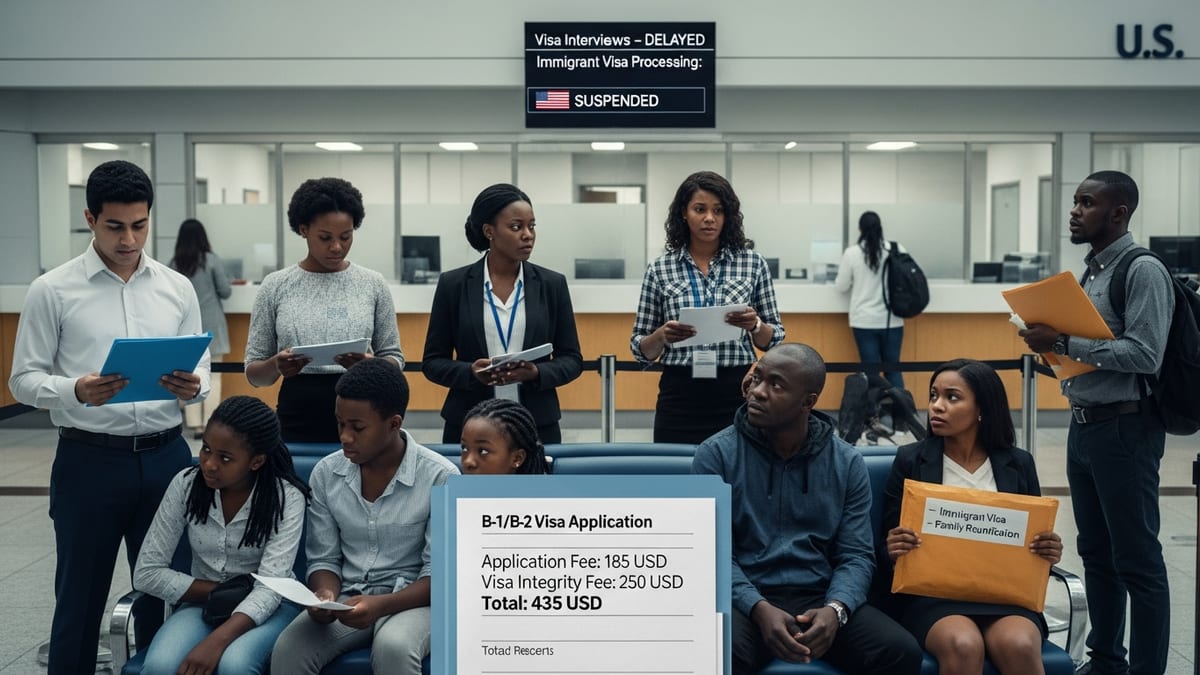
New US Orders Put Birth Tourism Back in the Spotlight
Recent executive actions in Washington have refocused attention on birth tourism, a term commonly used to describe travel by pregnant foreign nationals to give birth in a country that grants automatic citizenship to anyone born there. Publicly available information shows that the United States has combined its long standing constitutional guarantee of birthright citizenship with more restrictive screening of short term visitors who appear to be traveling primarily to secure a passport for a future child.
Policy analyses describe a two track approach. The underlying rule that almost all children born on US soil acquire citizenship remains grounded in the Fourteenth Amendment, but consular and visa guidance has tightened. Under State Department rules introduced in 2020 and updated implementation guidance from 2025, consular officers can deny a B category visitor visa if they have reason to believe an applicant’s principal purpose is to give birth in the United States to obtain citizenship for the child.
New executive actions announced in early August 2026 build on these measures by explicitly targeting commercial birth tourism operations, which have been the subject of past federal prosecutions. Policy documents emphasize visa fraud, undisclosed large cash payments to clinics and housing providers, and organized “maternity hotel” networks as priority enforcement targets rather than individual travelers acting on their own.
Research cited in recent coverage suggests that birth tourism remains a relatively small share of all births in the United States, with estimates in the tens of thousands annually out of several million total births. Even so, the practice has become symbolically important within broader debates over immigration levels, border control, and the future of birthright citizenship itself.
Canada Weighs Its Own Birthright Debate
While Canada has not changed its core citizenship rules, it is increasingly part of the same global conversation. Canada, like the United States, follows a broad jus soli model, granting citizenship to almost everyone born in the country, with a narrow exception for children of accredited foreign diplomats and certain international officials.
Government briefing papers, parliamentary committee testimony, and recent academic work describe rising public scrutiny of birth tourism in Canada, particularly in high growth urban regions where non resident births have become more visible in hospital statistics. Commentators note that the absolute numbers are modest but can be concentrated in particular facilities, fueling disputes over fairness, health care costs, and local capacity.
Legislative efforts to restrict birthright citizenship in Canada have periodically been proposed, including calls to require at least one parent to be a citizen or permanent resident. As of mid 2026, however, publicly available federal information indicates that these proposals have not been enacted, and automatic citizenship by birth on Canadian soil remains in place, subject to the diplomatic exception.
Analysts also point out that Canada has recently adjusted a different area of citizenship law by descent for children born abroad to Canadian parents, after court rulings criticized earlier limits. This parallel reform underscores how politically sensitive any change to who is, and is not, considered a citizen at birth can be, especially where families are divided between multiple countries.
Emerging Cross Border Cooperation on Birth Tourism
As the United States sharpens its tools against organized birth tourism, it is also looking outward. Policy documents and legislative hearings in Washington describe a push for more data sharing and coordination with partner countries facing similar concerns, including Canada and several other states in the Americas that still offer broad jus soli citizenship.
Reports on congressional deliberations highlight interest in building common indicators of non resident birth patterns, exchanging information on known commercial “maternity service” operators, and harmonizing visa screening practices where possible. Some lawmakers argue that isolated national crackdowns simply redirect demand to the next most accessible destination, creating what critics describe as a citizenship “carousel” across borders.
Canada has been part of that conversation through its own parliamentary committees and background studies, which explore whether regulatory tools, rather than full scale citizenship amendments, could better target abuses. Options discussed in public forums include stricter enforcement against unlicensed birth tourism facilitators, closer scrutiny of visitor visa applications late in pregnancy, and clearer billing rules for non resident patients in publicly funded hospitals.
Specialists in migration and citizenship warn that deeper cooperation between the United States, Canada, and other countries will need to balance control measures with individual rights. Many travelers who give birth abroad do so for complex reasons, including employment, study, mixed nationality families, or access to specific medical care, and may not fit the narrow image of a strategic “birth tourist.”
Travel and Visa Implications for Expectant Parents
For travelers, the evolving rules translate into a more scrutinized journey. Guidance from US border and consular authorities already states that pregnancy itself is not a bar to travel, but if an officer concludes that the primary purpose of a trip is to give birth in order to obtain citizenship, a short term visitor visa can be refused or entry denied. Documentation of employment, ties to a home country, and medical plans is increasingly important for pregnant travelers heading to the United States.
In Canada, public facing information continues to affirm that giving birth in the country generally confers citizenship on the child, even when parents are temporary visitors. At the same time, hospitals and provincial health systems expect non resident patients to pay out of pocket or provide proof of private insurance. Travel advisers note that costs for maternity care can be substantial and are often due in advance for those not covered by public plans.
Published legal and policy commentary suggests that both countries are paying closer attention to how commercial birth tourism agencies market their services abroad. Some promotional materials have historically emphasized guaranteed citizenship and access to future education and work opportunities, while downplaying visa rules, costs, and the possibility of immigration consequences if information is misrepresented on applications.
For international travelers planning family friendly itineraries, the current environment means that transparency about the reasons for travel, realistic planning for medical contingencies, and careful review of visa requirements are more important than ever, particularly when crossing the US Canada border during late pregnancy.
A Shifting Global Map of Birthright Citizenship
Behind the immediate policy moves lies a broader global trend. Over recent decades, many developed countries in Europe, Asia, and Oceania have narrowed or abandoned unconditional jus soli, often replacing it with hybrid systems that require at least one parent to hold citizenship or long term residence.
Analyses from international policy institutes place the United States, Canada, and a cluster of Latin American and Caribbean countries among the remaining jurisdictions that still combine relatively open birthright citizenship with high levels of international mobility. As debates intensify in Washington and Ottawa, advocates on both sides are watching closely for any sign that either government might move toward a more conditional model.
Supporters of the current rules argue that automatic citizenship at birth offers a clear, inclusive standard, avoids the creation of stateless children, and reflects the settled constitutional and legal traditions of both countries. Critics contend that in an era of global travel and stark inequalities in passport power, broad jus soli has become a magnet for strategic use and can feel out of step with more restrictive immigration systems.
For now, available evidence shows that the United States is responding with targeted enforcement actions and calls for international coordination, while Canada is engaged in a more cautious, study oriented debate. Together, their next steps are likely to shape how birth tourism and citizenship by birthplace are governed across much of the travel connected world.