


More news on this day
Bengaluru’s Kempegowda International Airport is operating flights as scheduled even as Karnataka faces heightened tension and bandh calls over the Cauvery water dispute, with travel advisories urging passengers to build in extra time amid the risk of road disruptions and protest marches.
Get the latest news straight to your inbox!
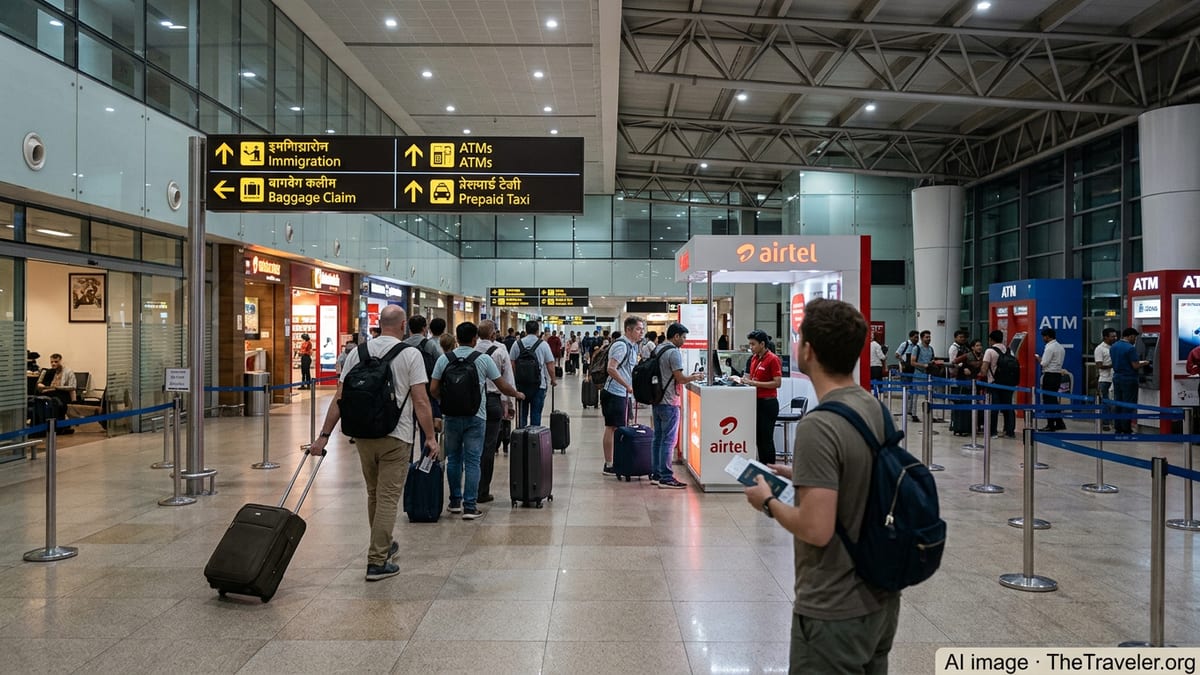
Flights Operating Despite Bandh Calls
As Karnataka braces for a statewide shutdown over the Cauvery river dispute, publicly available flight information indicates that services at Kempegowda International Airport (KIA) remain largely on schedule. Airlines and airport updates show no blanket cancellation of departures or arrivals linked solely to the protest action, and airport facilities such as check in, security and boarding continue to function.
The situation contrasts with wider uncertainty across Bengaluru, where business associations, transport unions and civic groups have announced varying levels of participation in the bandh. While some offices have opted for remote work and certain commercial establishments are expected to remain shut, the airport is maintaining operations to keep both domestic and international connectivity intact for the city.
Travel forums and social media discussions reflect that several carriers have issued general advisories rather than route specific cancellations, encouraging passengers to monitor their booking status and allow additional time for airport transfers. These updates underline that any disruption is more likely to affect how travelers reach the airport than the status of the flights themselves.
Historically, Kempegowda International Airport has continued functioning during similar political and civic shutdowns in Karnataka, with airport authorities and airlines relying on security coordination and contingency planning to keep critical aviation services running.
Road Access and Ground Transport Concerns
The main pressure point for travelers appears to be road access to the airport, which lies about 40 kilometers from Bengaluru’s central districts. Bandh related demonstrations, vehicle rallies and sporadic roadblocks along key corridors such as Ballari Road and connecting arterial routes have the potential to slow or temporarily halt traffic flows during peak protest hours.
Reports from commuters and local residents suggest that ride hailing services, city taxis and airport cabs are expected to operate, but drivers may selectively avoid certain neighborhoods or time slots if they anticipate tension. In previous Cauvery related shutdowns, instances of voluntary service curtailment by taxi operators and sporadic cancellations on app based platforms have been noted, particularly in the late morning and afternoon windows when protest activity is most visible.
City buses and airport specific services have generally attempted to maintain at least a skeletal schedule during statewide bandhs, though frequencies can be reduced and last mile connections disrupted. Publicly available information indicates that metro services within Bengaluru are operating, providing a partial alternative for reaching intermediary points before transferring to cabs or private vehicles toward the airport.
Travel planners observing the situation recommend that passengers heading to Kempegowda International Airport on bandh day treat the journey as potentially longer than usual, with added buffers of one to two hours, especially for departures scheduled between early morning and early evening.
Heightened Tension Over the Cauvery Dispute
The current bandh call is the latest flashpoint in the long running dispute between Karnataka and neighboring Tamil Nadu over the sharing of Cauvery river water. A weaker monsoon and reports of rainfall deficit across parts of Karnataka have sharpened concerns about water availability, intensifying protests led by farmer groups, pro Kannada organizations and civic activists.
Demonstrations have included marches, sit ins and symbolic road blockades aimed at drawing attention to the perceived impact of water release orders on local agriculture and urban supply. In the run up to the bandh, social media spaces connected to Bengaluru have recorded heightened debate about the effectiveness of shutdowns and the balance between political expression and everyday disruption.
Published coverage notes that similar Cauvery agitations in the past have occasionally led to damage of public and private property, prompting precautionary closures of schools, malls and markets in some neighborhoods. This history has contributed to apprehension among residents and travelers alike about possible spillover effects on essential services, including air travel.
At the same time, commentary across news and discussion platforms indicates a broad expectation that any restrictions around the airport corridor will be more limited in scope and duration than those affecting inner city commercial districts, as authorities typically prioritize keeping aviation and medical access routes open.
Advice for Domestic and International Travelers
For passengers flying out of Bengaluru during the bandh, travel advisers and frequent fliers who have navigated previous shutdowns emphasize preparation rather than panic. The most consistent guidance is to track flight status through airline channels, avoid last minute departures from home or hotel, and factor in the possibility of slower check in and security queues if multiple passengers choose to arrive much earlier than usual.
Domestic travelers connecting onward to smaller Indian cities are encouraged to pay particular attention to minimum connection times, as any delay in reaching Kempegowda International Airport could cascade into missed regional flights. This is especially relevant for itineraries combining full service and low cost carriers on separate tickets, where automatic rebooking protections may not apply.
International passengers, including those on late evening or overnight departures, may experience relatively smoother road conditions if major protest actions wind down after the customary bandh window. However, publicly available accounts from previous years suggest that leaving central Bengaluru well ahead of rush hour still offers the best margin of safety when large political mobilizations are underway.
Travel insurance providers and aviation rights advocates regularly advise keeping digital copies of tickets and boarding passes easily accessible, as such documentation can help travelers explain their purpose of journey if stopped at checkpoints or if questioned in areas where local participation in the bandh is stronger.
Looking Ahead as Tensions Evolve
As the bandh unfolds, observers expect short term adjustments in Bengaluru’s mobility patterns, with more residents working from home, scaling back non essential trips and postponing outings to shopping centers and entertainment venues. Against that backdrop, Kempegowda International Airport is likely to stand out as one of the city’s few consistently active hubs.
Operational data from recent months show that the airport has been preparing for higher volumes, including infrastructure upgrades and expanded runway capabilities, even as wider regional uncertainties persist. The continued functioning of this major aviation gateway during political unrest underscores its role in sustaining business continuity and essential travel for southern India.
How the Cauvery dispute evolves in the coming weeks will shape the risk of further shutdown calls or targeted demonstrations in and around Bengaluru. For now, publicly available reports converge on a common message for travelers: flights at Kempegowda International Airport are running, but reaching the terminal on time may require more planning, flexibility and awareness than on a normal day.