


More news on this day
Cambodia’s Koh Rong island is emerging as one of the standout beach destinations of 2026, climbing global rankings as travelers seek out its glass-clear waters, low-key nightlife and a fast-maturing scene of eco-conscious luxury resorts across the Gulf of Thailand archipelago.
Get the latest news straight to your inbox!
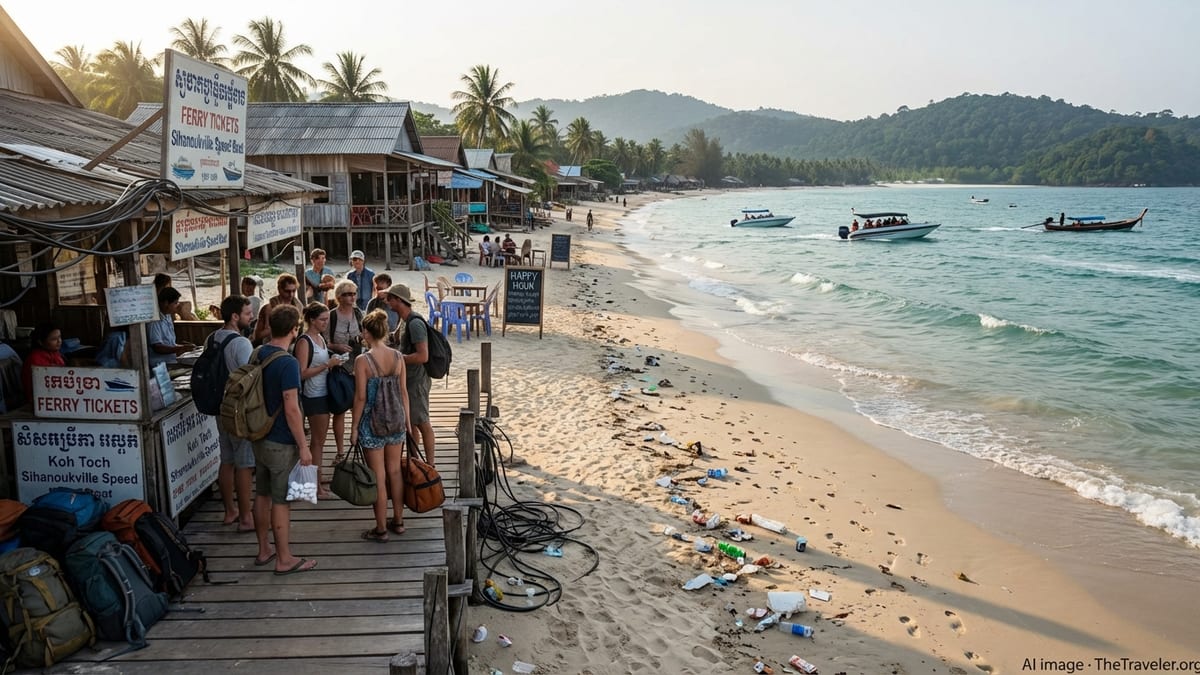
A Cambodian Island Steps Onto the Global Stage
Recent international beach roundups for the 2025–2026 travel seasons are increasingly highlighting Koh Rong alongside better-known names in Thailand and Indonesia, positioning the island as one of Southeast Asia’s most compelling alternatives to long-established hotspots. Travel and lifestyle outlets describe its main bays as among the region’s clearest and quietest, with particular praise for the powdery stretches around Long Set, Sok San and Coconut beaches.
Publicly available tourism data indicates that visitor numbers have risen sharply in the past two years, with the island recording well over one hundred thousand arrivals in early 2025 and continued growth projected through 2026. Observers note that much of this increase is driven by international travelers looking beyond traditional resort belts, often pairing temple visits in Siem Reap or heritage stops in Phnom Penh with a beach finale on the coast.
Coverage from regional travel publications frames Koh Rong as a “hidden” or “emerging” paradise relative to its neighbors, reflecting its later start in large-scale tourism. Many guides still describe unpaved paths, limited vehicle traffic and village jetties that sit just minutes from high-end resorts, giving visitors a sense of stepping into a destination that is only now entering mainstream awareness.
Analysts suggest that the island’s rise in rankings is also linked to improving access. Fast ferries from the mainland hub of Sihanoukville have become more frequent in recent seasons, while infrastructure on the island itself, from power supply to waste services around key beaches, has seen gradual upgrades aligned with a broader coastal tourism push.
Crystal Waters and Low-Key Crowds Define the Appeal
Travel writers routinely single out Koh Rong’s water clarity as one of its defining features, noting that visibility along sheltered bays often rivals better-known snorkeling spots elsewhere in the Gulf of Thailand. Stretches such as Long Set Beach and the more remote northern coves are described as offering calm, lagoon-like conditions during the dry season, with gentle gradients that suit both casual swimmers and families.
Unlike some regional party islands, reports emphasize that Koh Rong’s main beaches retain a relatively relaxed rhythm, particularly outside the compact nightlife pockets near Koh Toch village. Even in busier areas, most evenings revolve around beachfront dining, small bars and sunset watching rather than large-scale club scenes, a contrast that helps explain the island’s growing popularity with couples, remote workers and long-stay visitors seeking a quieter base.
The island’s geography contributes to its “hidden paradise” image. White-sand crescents are backed not by high-rise development but by low-slung bungalows, coconut groves and forested hills, with inland tracks leading to viewpoints and waterfalls. Neighboring islands in the Koh Rong archipelago add to the sense of escape, with day trips to more secluded beaches and snorkeling sites frequently highlighted in traveler accounts.
Seasonality remains an important consideration. Guides for 2026 continue to recommend visits between November and April, when seas are calmer and skies more reliably clear. During this window, the combination of vivid turquoise water, bright sand and relatively modest crowds underpins the island’s strong performance in global beach comparisons.
Eco-Luxury Resorts Anchor a New Kind of Development
Alongside its natural assets, Koh Rong’s ascent in global rankings is being driven by a new generation of eco-luxury properties that present the island as a test case for more sustainable coastal development in Cambodia. Flagship retreats in the Koh Rong archipelago promote marine-positive operations, coral restoration initiatives and low-density construction that keeps built footprints below the tree line.
One of the best-known examples is a private island resort within the wider Koh Rong cluster that has gained international attention for its conservation programs, including the creation of Cambodia’s first locally managed marine protected area and long-running work in reef and mangrove regeneration. Hospitality reviewers frequently cite this model as evidence that high-end travel in the region can be paired with tangible environmental outcomes.
On Koh Rong itself, a wave of upscale beachfront resorts has opened along Long Set, Coconut and Pagoda beaches, positioning themselves around discrete villas, natural materials and careful landscaping rather than large hotel blocks. Marketing materials emphasize wastewater treatment systems, reduced single-use plastics and beach-cleaning programs, while independent sustainability reports note efforts to engage nearby communities through employment, training and local sourcing.
Industry observers point out that this emphasis on eco-luxury aligns Koh Rong with broader shifts in global travel demand, particularly among long-haul visitors who are willing to travel farther for quieter destinations that demonstrate environmental commitments. As a result, the island increasingly appears in curated lists of sustainable beach escapes in Southeast Asia for 2026 and beyond.
Balancing Rapid Growth With Fragile Ecosystems
The same factors that are lifting Koh Rong up international rankings are also sharpening focus on how the island will manage accelerating visitor numbers. Academic and conservation reports on Cambodia’s coastal zone identify solid waste, reef damage and unregulated construction as key risks across the region, underscoring the importance of clear planning rules and effective enforcement as interest in the islands grows.
Studies of the wider Koh Rong Marine National Park area describe mounting pressure from tourism-related activities, including boat traffic, informal dumping and shoreline alteration. These assessments recommend stricter zoning of marine areas, better waste collection and expanded community education to prevent deterioration of the very beaches and reefs that draw travelers in the first place.
Some high-end resorts already publicize dedicated sustainability charters, setting out commitments on waste management, energy use and support for conservation organizations. Travel coverage notes, however, that practices vary significantly between operators, and that maintaining the island’s appeal will depend on ensuring that rapid development in busier hubs such as Koh Toch does not undermine gains made by more environmentally focused projects elsewhere.
For now, observers say Koh Rong still feels markedly less built-up than many of its regional competitors, with large tracts of coastline remaining undeveloped or occupied only by small-scale bungalow operations. How authorities and investors navigate the next phase of resort construction, infrastructure upgrades and marine protection will play a central role in determining whether the island can hold its new status in global beach rankings through the rest of the decade.
A Rising Star in the Southeast Asia Island Circuit
As 2026 travel planning gathers pace, Koh Rong is increasingly featured in multi-country itineraries that string together city breaks, temple visits and quieter island stays. Online forums and travel communities show a steady stream of comparisons between Koh Rong and better-known Thai or Indonesian islands, with many contributors highlighting the Cambodian destination’s blend of accessible luxury, relaxed atmosphere and comparatively modest costs.
Regional tourism strategies frame Cambodia’s southern coast, including Koh Rong and its sister islands, as a complement to the country’s cultural mainstays rather than a standalone resort belt. This positioning appears to be resonating with international visitors who view a few days on the island as a restorative finale after exploring Angkor’s temples or Phnom Penh’s urban heritage.
With global beach rankings turning the spotlight toward Koh Rong’s crystalline waters and eco-luxury offerings, industry analysts expect the island’s name recognition to grow rapidly over the next two to three years. For travelers seeking an alternative to more crowded shorelines elsewhere in Southeast Asia, 2026 is emerging as a pivotal moment to experience a destination that is still, for now, closer to hidden paradise than household name.