


More news on this day
Thailand’s Koh Samui is rapidly consolidating its status as one of Asia’s dream islands, with new data showing a surge in European arrivals that is reshaping the tourism economy of the Gulf of Thailand hotspot.
Get the latest news straight to your inbox!
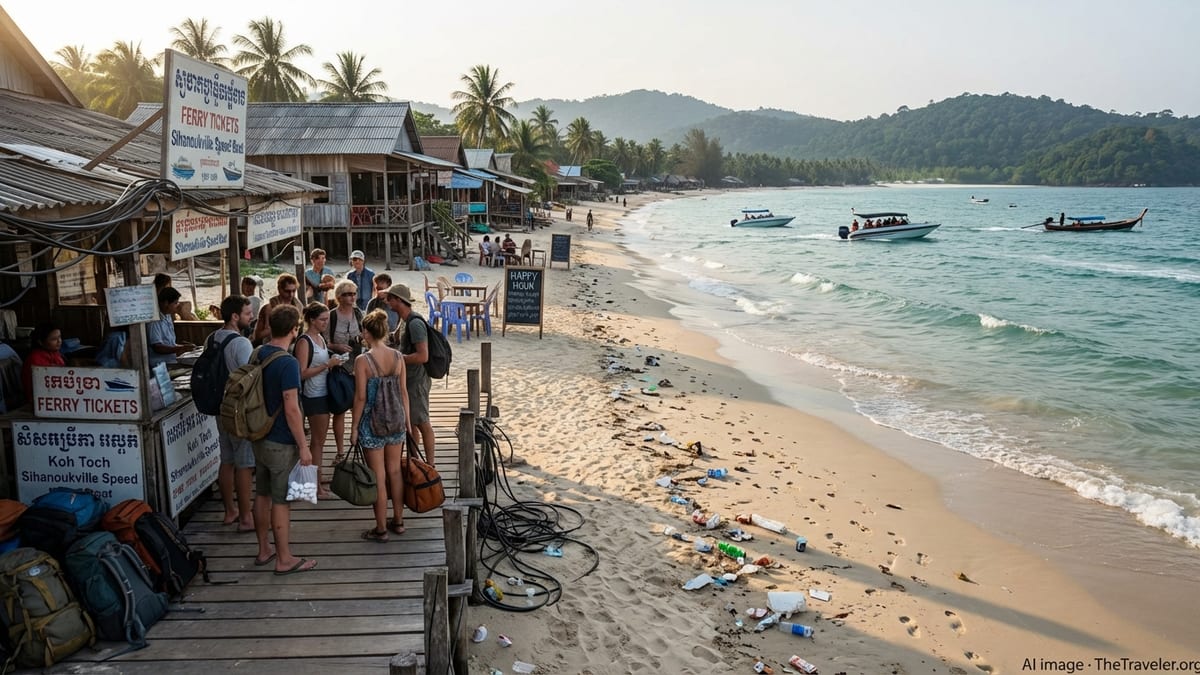
European Arrivals Drive Samui’s Tourism Rebound
Recent market analysis indicates that Koh Samui has moved into a new growth phase, with international visitor numbers rebounding strongly and Europeans now forming the backbone of demand. A June 2025 hotel and tourism review focusing on the island reported that total arrivals in 2024 reached more than 2.7 million, underscoring how far the destination has come since regional travel restrictions eased.
The same review found that European travelers accounted for a clear majority of international arrivals to Koh Samui, estimated at around half or more of all foreign visitors. Strong recovery from markets such as Germany, the United Kingdom, France and Russia is being highlighted as a key factor supporting higher room rates, longer stays and renewed investor interest across the island’s resort sector.
Broader Thai statistics also reflect the rebound of long-haul tourism. National data for 2024 shows international arrivals climbing back toward pre‑crisis levels, with European countries once again ranking among the top source markets for Thailand as a whole. Industry observers note that Koh Samui has benefited disproportionately from this trend, positioning itself as a quieter, premium alternative to the country’s larger and more crowded beach hubs.
New Flights and Infrastructure Boost Island Access
Improved connectivity is central to Koh Samui’s new appeal for European travelers. Market reports point to a growing roster of seasonal and charter flights feeding the island via Bangkok and regional gateways, including services operated by European and Australian carriers into Thailand’s major hubs with coordinated links onward to Samui’s compact airport.
Domestic flight frequencies between Bangkok and Koh Samui are also rising compared with previous years, according to airport traffic documents. This has helped stabilize airfares outside peak holiday periods and made it easier for travelers from Europe to pair the island with visits to Bangkok, Chiang Mai or other Thai destinations in a single itinerary.
At the same time, local planning documents and industry analysis describe ambitious infrastructure proposals around the Gulf of Thailand, including a long‑mooted sea bridge project that would connect the mainland with Koh Samui. While still at the study and consultation stage, the concept is being watched closely by the tourism sector, which views better overland access as a potential catalyst for further growth, particularly from regional and domestic markets.
Luxury Resorts, Villas and Wellness Lead the Offer
The structure of Koh Samui’s tourism economy is increasingly geared toward higher‑spending travelers. Market reviews note a wave of investment in five‑star resorts, branded residences and private pool villas, as well as boutique properties aimed at couples and small groups seeking privacy. This luxury‑leaning profile has proved especially attractive for European visitors who are staying longer and spending more per trip.
Wellness tourism is emerging as another pillar of the island’s appeal. Publicly available information on the hospitality pipeline shows new and expanded spas, medical‑wellness retreats and yoga resorts opening or planned in key beach areas. Combined with Samui’s reputation for calm seas for much of the year and a slower pace than some Thai competitors, the sector is marketing the island as a restorative escape for professionals and families from European cities.
High‑end dining and beach club concepts are also proliferating. Industry coverage highlights an expanding restaurant scene that blends local southern Thai flavors with contemporary European and Mediterranean cuisine, designed to serve both resort guests and an increasing number of long‑stay visitors and digital workers.
Seasonality, Climate and Sustainability Pressures
The surge in arrivals has sharpened attention on seasonality and environmental pressures. Studies of Samui’s hotel performance describe pronounced peaks aligned with European winter and school holidays, when occupancy and room rates rise significantly. This pattern is reinforced by charter and tour‑operator schedules, which tend to concentrate capacity between November and March.
Local stakeholders and analysts are also focusing on climate resilience. Like many tropical islands, Koh Samui faces risks from coastal erosion, heavy rainfall events and strain on freshwater resources during high season. Tourism reports increasingly emphasize the need for investment in water management, waste treatment and coastal protection to safeguard beaches and coral reefs that are central to the island’s image as a pristine paradise.
Several resorts and villa operators have begun publicly promoting sustainability initiatives such as reduced single‑use plastics, on‑site wastewater treatment and partnerships with marine conservation groups. While efforts are fragmented, observers suggest that environmental performance is becoming a competitive factor for attracting discerning European travelers who are more likely to weigh sustainability credentials when choosing where to stay.
Rising Competition and the Battle for Asia’s Dream Island Status
Koh Samui’s rapid ascent is unfolding amid intense competition across Asia’s beach destinations. Islands in Indonesia, the Philippines and the Maldives are all vying for the same long‑haul markets, often with aggressive airline partnerships and high‑profile resort openings. Analysts note, however, that Samui’s combination of relatively compact scale, established hospitality brands and easier intra‑Thailand connections gives it a distinctive market position.
Tourism market commentary argues that the island’s future success will depend on balancing growth with livability for residents and overall visitor experience. Concerns over congestion on narrow coastal roads, pressure on traditional fishing communities and the affordability of housing are prompting calls for more coordinated destination management as arrivals rise.
For now, the data suggests that Koh Samui’s reputation among European travelers is strengthening. With international arrivals climbing, new high‑end projects underway and airlines expanding access via regional hubs, the island is frequently described in recent coverage as one of Asia’s most desirable tropical escapes, and a leading contender for the title of the region’s dream island.