


More news on this day
Labor Day 2026 is shaping up as one of the busiest and most expensive end-of-summer travel weekends in recent memory, with record passenger volumes at airports, higher gas prices on the roads and a packed slate of flights expected to test the limits of the system.
Get the latest news straight to your inbox!
Record Volumes Put Airports Under Pressure
Air travel demand into the holiday weekend remains elevated after consecutive record-setting summers. Transportation Security Administration data from 2025 showed more than 10.4 million passengers screened over Labor Day weekend, part of a surge that has the agency on pace for another annual record in 2026. That pattern is now repeating, with major hubs preparing for near-peak volumes from Thursday through Monday.
Denver International Airport, for example, expects more than 368,000 passengers to pass through security between September 3 and 7, roughly matching last year’s tally. Forecasts from Denver and other large hubs indicate that the busiest days will again cluster on the Thursday and Friday before Labor Day as travelers stretch the long weekend.
Los Angeles International Airport is projecting more than 1.9 million passengers over a broader 10 day Labor Day period, underscoring how the holiday now caps a sustained summer rush rather than a single extended weekend. Airports that rank among AAA’s most booked domestic destinations, including Seattle, Orlando, Boston, Denver, Los Angeles and New York, are preparing for full flights and tight connections.
For travelers, the implication is that standard pre pandemic rules of thumb no longer apply. Airlines and airports recommend arriving earlier than usual, building in extra time for parking, check in and security, and considering the first departures of the day, which tend to be less vulnerable to rolling delays.
Road Trips Collide With High Gas Prices
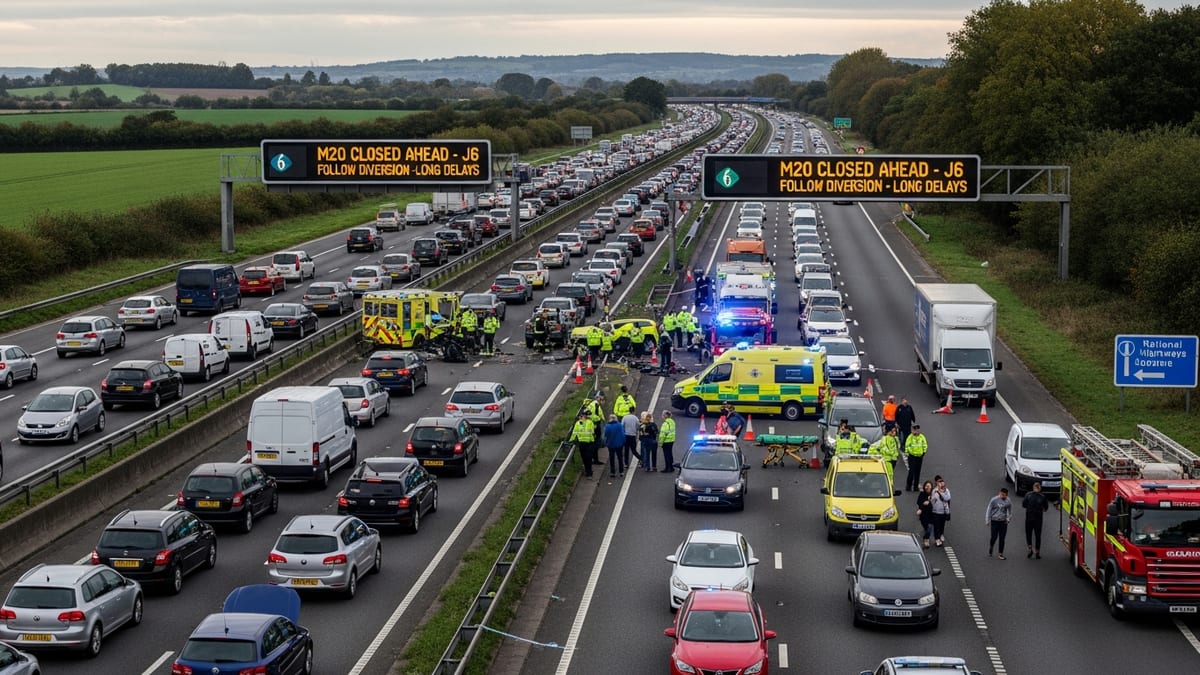
On the roads, the picture is similarly intense. AAA and transportation analytics firm INRIX report that Thursday afternoon and most of Friday remain the most congested times to drive, as holiday traffic merges with regular commuter patterns around major metropolitan areas. Forecasts for the 2026 holiday call for heavier than average congestion on key interstates radiating from coastal and theme park destinations.
Drivers are also contending with some of the highest Labor Day fuel prices on record. Market trackers and national travel groups estimate the national average for gasoline will stay above 4 dollars per gallon through the holiday, surpassing previous Labor Day price peaks set in 2012. That cost pressure has led some households to shorten trips or stay closer to home, but aggregate demand remains strong after a summer in which most Americans reported taking the same or more vacations than in 2025.
In several regions, including the Northeast corridor and Florida, localized analyses highlight just how much timing matters. In the Tampa Bay area, for instance, forecasts suggest that a Friday mid afternoon departure for Orlando could stretch what is normally a shorter drive into a journey approaching three hours. Similar patterns are anticipated near popular beaches and lake destinations where check in and checkout times cluster.
To limit delays, road travelers are urged to depart early in the morning or delay departures until later evening hours, avoid peak inbound times to coastal areas on Saturdays, and use real time navigation apps that can reroute around incidents or severe backups.
Storms, Staffing and Scheduling Risks
Beyond sheer volume, holiday travelers face a mix of weather and operational risks. Late summer is peak season for Atlantic hurricanes and severe thunderstorms across much of the United States, conditions that can ripple through airline schedules for days. Federal Aviation Administration updates point to a dense schedule of flights over the Labor Day period, leaving limited slack for rerouting around storms.
Even when major disruptions are avoided, crowded skies and busy terminals can translate into longer security lines, full overhead bins and slower boarding. Industry and advocacy reports note that staffing at some security checkpoints and ground operations has lagged the pace of returning demand, contributing to longer wait times at peak hours.
Travel organizations advise that passengers monitor forecasts along their entire route, not just at their origin and final destination. A storm system affecting an airline hub several states away can still lead to delays or missed connections. Many carriers now publish weather related travel alerts and limited fee waivers, allowing customers to adjust flights before conditions deteriorate.
Experts also emphasize the importance of backup plans. That can include booking longer layovers when connecting through weather prone hubs, avoiding the last flight of the night to key destinations, and having a same day alternative identified in case a flight is canceled or significantly delayed.
Eight Strategies to Avoid the Worst Delays
Travel data for the 2026 season highlights a set of practical strategies for minimizing disruption. First, flexibility on departure day and time remains one of the most effective tools. Shifting flights to early Thursday morning or Saturday midday, and planning road departures for early mornings, can help travelers sidestep the heaviest Thursday afternoon and Friday congestion.
Second, choosing airports and routes carefully can pay off. Secondary airports around major metro areas sometimes offer less crowded terminals and shorter security lines, even when flights involve a short connection. Where possible, booking nonstop routes removes the risk of missed connections during cascading delays.
Third, digital preparation has become essential. Airlines and airports increasingly push real time updates through mobile apps, including gate changes, boarding time adjustments and security wait estimates. Travelers who enable notifications and add their boarding passes to digital wallets can move more quickly through checkpoints and adjust plans if disruptions emerge.
Fourth, luggage decisions matter. Carry on only travel reduces the risk of baggage delays when schedules are tight, but overhead bin space is limited on full flights. Checking one shared bag for families or groups, while keeping critical items in small personal bags, can balance convenience with risk management.
Fifth, experts recommend building financial and schedule buffers into holiday trips. Paying attention to change fee policies and fare rules, considering travel insurance for complex itineraries, and avoiding nonrefundable add ons at the very start or end of a journey can provide options if weather or operational issues intervene. Travelers whose schedules allow may also choose to return home on Tuesday instead of Labor Day Monday, when both airports and highways are expected to be busiest.
Costs Climb as Demand Stays Strong
Underlying the operational strains of Labor Day 2026 is a clear economic trend: demand for end of summer getaways remains high despite rising costs. AAA booking data shows that several major cities, including Seattle, Orlando, Boston, Denver, Los Angeles and New York, rank among the most popular domestic destinations. Airfares to some of these locations are running significantly higher than a year ago, while hotel rates in prime leisure areas remain elevated.
Consumer surveys conducted ahead of the season found that a majority of travelers still planned at least one summer trip between Memorial Day and Labor Day. Many respondents cited higher fuel and lodging costs as a concern, yet indicated they would adjust trip length or distance rather than cancel plans outright.
At the same time, local analyses of specific markets point to additional pressures. In Boston, for example, regional groups report that travel costs are higher across the board, from hotels to parking, as the city ranks among the most in demand late summer destinations. In Denver and Los Angeles, strong inbound traffic combines with international connections, keeping terminals busy even outside traditional peak hours.
The result is a Labor Day weekend in which crowds are not limited to a single departure window or travel mode. Travelers who recognize these overlapping pressures and adopt proactive strategies, from timing and routing to digital tools and contingency planning, are better positioned to navigate one of the most challenging holiday travel periods of the year.
TSA Labor Day weekend screening volumes
AAA Labor Day 2026 travel and cost outlook
Denver International Airport Labor Day 2026 forecast
LAX Labor Day 2026 passenger projections and tips
National outlook on busiest times to drive and fly Labor Day 2026