


More news on this day
Thousands of travelers at New York’s LaGuardia Airport faced major disruption today after a cluster of airlines, including Republic Airways, Delta Air Lines, Endeavor Air, American Airlines, United, Frontier and Jazz, suspended 85 flights and reported 22 delays, triggering a wave of missed connections across the United States and Canada.
Get the latest news straight to your inbox!
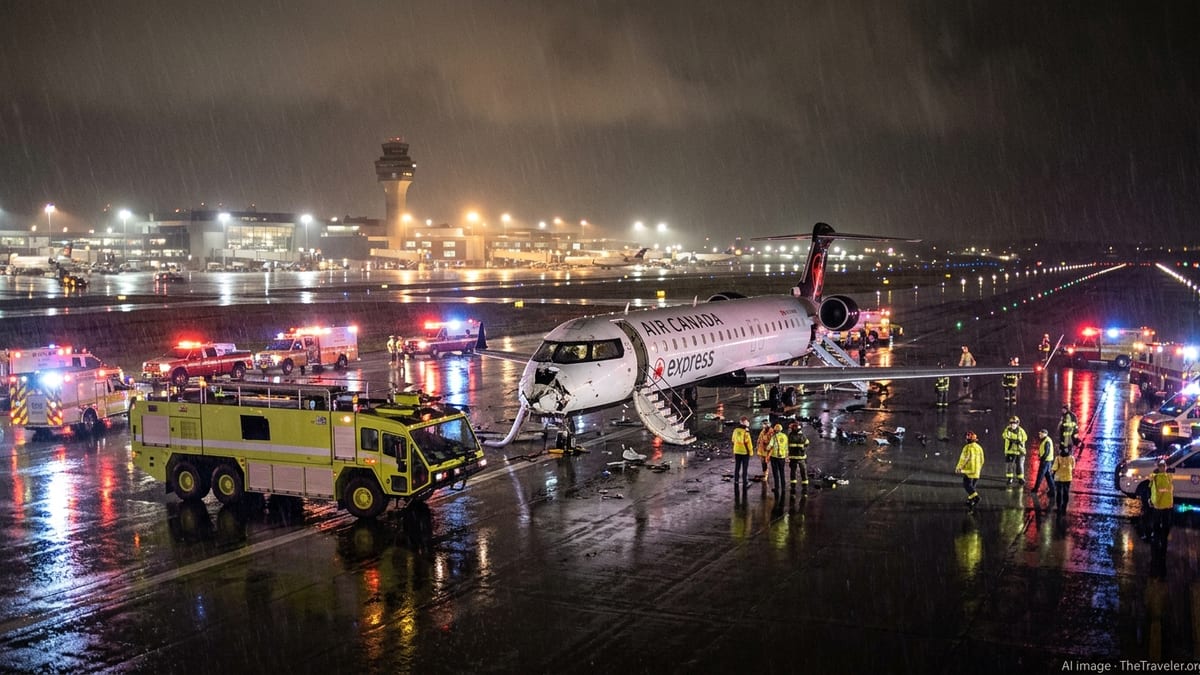
Wide-Ranging Cancellations Hit Key Domestic and Cross-Border Routes
According to operational data compiled from airline tracking services and airport disruption dashboards, the largest concentration of cancellations involved regional jets serving short-haul business and leisure markets. Services linking LaGuardia with Toronto, Chicago, Detroit, Boston and Washington DC were among the hardest hit, choking some of the airport’s busiest corridors on a peak summer travel day.
Reports indicate that the bulk of the 85 cancellations were tied to Republic Airways, Delta Air Lines and Endeavor Air, which together accounted for the majority of axed departures. These carriers operate a dense schedule of Delta Connection and American Eagle flights from LaGuardia, meaning that a relatively small number of grounded aircraft can cascade into dozens of lost sectors in a matter of hours.
Additional disruptions were recorded on flights marketed by American Airlines and United, along with services operated by Frontier and Jazz Aviation on cross-border routes. The pattern closely mirrors earlier episodes this year in which LaGuardia has climbed disruption rankings on real-time monitoring platforms, reflecting its constrained runway layout and heavy reliance on regional traffic.
Although some later departures were able to operate with revised timings, publicly available tracking boards still showed 22 active delays after the wave of cancellations, indicating sustained pressure on crews and aircraft positioning.
Knock-On Effects for Connections Across the United States and Canada
The suspended flights from LaGuardia quickly translated into missed onward journeys for passengers booked through major hubs. Travelers scheduled to connect in cities such as Chicago, Detroit and Washington DC reported being rolled onto later departures or rerouted overnight through alternative airports including Newark, Philadelphia and Boston.
Connections to Canadian cities were also affected, particularly itineraries involving Toronto and other cross-border gateways where Jazz and other regional partners feed larger mainline networks. Based on typical summer schedules from LaGuardia, even a limited number of canceled feeder flights can disrupt hundreds of international trips that rely on timely arrivals into hub banks.
Publicly available disruption maps showed LaGuardia climbing into the upper tier of North American airports for same-day delays and cancellations, with elevated average delay times compared with other major East Coast facilities. This reinforced the airport’s role as a critical pressure point in the broader United States and Canada aviation system when problems arise.
Travel analysts note that summer demand patterns amplify these effects, as many flights are already operating close to full, reducing the spare capacity available to rebook passengers once the first set of flights is removed from the schedule.
Operational Strain From Weather, Airspace Management and Crew Positioning
While a single cause did not immediately emerge, the disruption at LaGuardia coincided with a broader pattern of operational challenges that has affected the airport in recent months. Industry data and previous incident reports highlight how relatively minor weather systems or visibility drops can trigger ground delay programs, slowing the rate at which aircraft can depart or arrive.
LaGuardia’s compact airfield, limited runway options and proximity to other busy New York City airports often require tighter air traffic control spacing in congested periods. When this is combined with peak summer schedules, even modest reductions in throughput can force airlines to proactively cancel flights rather than risk extended on-tarmac delays and aircraft ending their operating day out of position.
Regional carriers such as Republic, Endeavor and Jazz are especially vulnerable to these dynamics because they operate short segments with quick turnarounds and depend on complex crew rotations. If early-morning flights are lost to weather or traffic management restrictions, the impact can spread rapidly through the rest of the day’s roster, particularly on high-frequency business routes like LaGuardia to Boston or Washington DC.
The latest turmoil follows earlier high-profile disruptions linked to a runway collision and subsequent ground delays at LaGuardia in March, as well as more recent days when the airport ranked among North America’s most affected for average departure delay times.
Passengers Confront Long Lines, Rebookings and Limited Alternatives
Inside the terminals, travelers encountered long queues at check-in counters and customer service desks as airlines worked within their standard policies to rebook passengers. With many peak-time flights fully booked or close to capacity, some customers were offered same-day reroutes through secondary hubs, while others faced overnight stays or next-day departures.
Public guidance from consumer rights organizations and travel advisories emphasizes the importance of documenting disruption details, including boarding passes, delay notifications and receipts for unexpected expenses. Such records can be critical later for travelers seeking compensation, refunds or the reimbursement of accommodation and meal costs, depending on the airline’s policies and the jurisdiction under which the ticket was sold.
Travel forums and public social media feeds showed scattered reports of travelers securing alternative rail or intercity bus options for shorter routes such as New York to Washington DC or Boston. However, for longer-haul connections onward to the Midwest, South or Western Canada, air travel remained the only practical option, leaving many passengers reliant on limited rebooking inventory.
The scale of the cancellations also affected unaccompanied minors, elderly travelers and those with tight international connections, groups that are particularly exposed when same-day alternatives are scarce and airport assistance resources are stretched.
What Today’s Turmoil Signals for the Rest of the Summer
Aviation analysts observing LaGuardia’s performance suggest that today’s wave of cancellations and delays may serve as a warning for the remainder of the 2026 summer travel season. With passenger numbers on track to match or exceed pre‑pandemic levels, even small operational disruptions at highly constrained airports can ripple outward through national networks.
Comparisons with recent disruption days show a recurring pattern in which regional affiliates for large network airlines absorb a disproportionate share of schedule cuts. This allows carriers to protect long-haul and widebody operations, but concentrates inconvenience on short-haul travelers and connecting passengers, many of whom rely on LaGuardia for same‑day business or family trips.
Consumer advocates continue to highlight the need for travelers to monitor flight status closely in the 24 hours leading up to departure, to travel with flexible plans where possible, and to understand the rebooking and refund rules that apply to their specific tickets. Travel insurance with robust interruption coverage is also being promoted as a way to mitigate the financial impact of last‑minute changes during a period of heightened operational risk.
For now, LaGuardia remains under close watch by disruption trackers and travel planners alike, as airlines work to restore normal operations and reposition aircraft and crews after yet another day of significant schedule upheaval at one of the United States’ most capacity‑constrained airports.