


More news on this day
Travelers at New York City’s LaGuardia Airport faced significant disruption as 139 flight delays and several cancellations rippled across the schedule, affecting routes to Montreal, Houston, Chicago, Nassau and other destinations and impacting operations for Delta Air Lines, Jazz Aviation, United Airlines and additional carriers.
Get the latest news straight to your inbox!
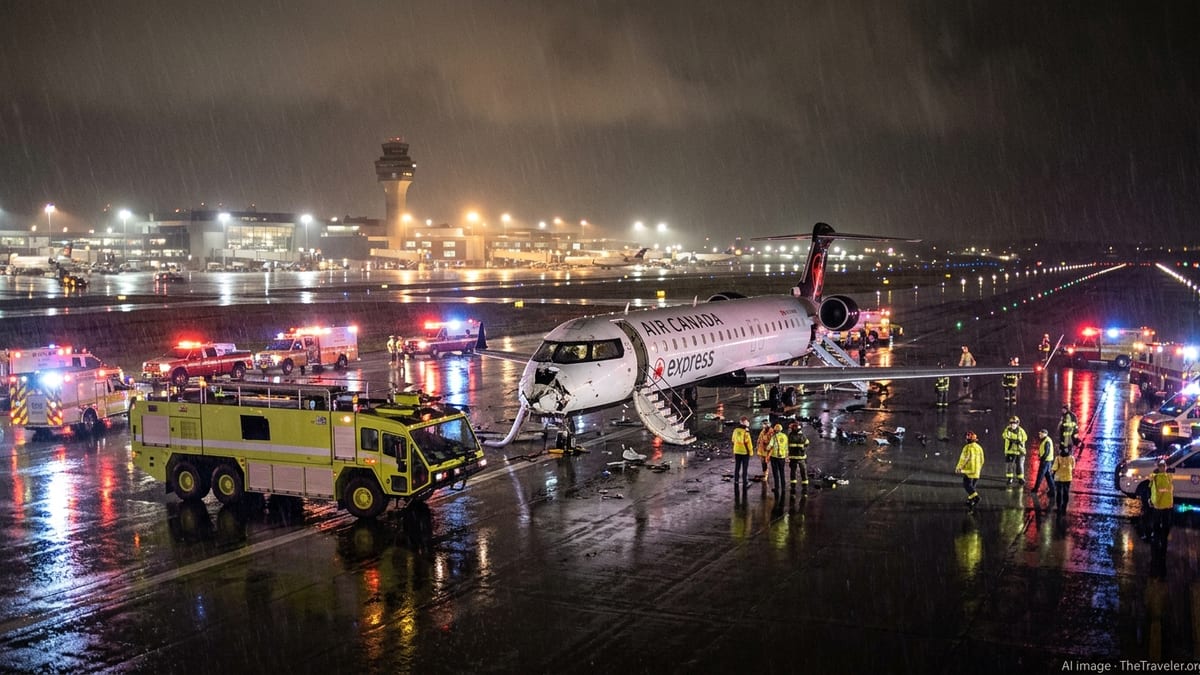
Wide Range of Routes Affected Across North America and the Caribbean
The disruption at LaGuardia affected a mix of domestic and cross-border services, with passengers bound for Montreal, Houston, Chicago and Nassau among those facing the longest waits. These cities represent key business and leisure markets from New York, so interruptions quickly cascaded through connecting flights and onward travel plans.
Services to Montreal were among the most closely watched, as the route is commonly operated by regional partners such as Jazz Aviation on behalf of larger brands. Passengers reported extended gate holds and rolling departure estimates that made it difficult to gauge when aircraft would actually leave New York.
Delays on flights to Houston and Chicago, both major national hubs, created further complications. Missed connections in those cities left travelers rebooking onto later departures or seeking overnight accommodation. For those heading to Nassau and other Caribbean destinations, schedule changes threatened carefully timed resort stays and cruise departures.
Operational data for the day showed 139 delayed flights and five outright cancellations linked to the disruption window. While the majority of services eventually departed, the accumulated knock-on effects extended into later bank departures and arrivals at LaGuardia and at downline airports.
Multiple Airlines Experience Operational Strain
The disruption involved several major carriers that maintain a strong presence at LaGuardia. Publicly available flight-tracking information showed Delta Air Lines, United Airlines and regional operators including Jazz Aviation among the airlines with affected departures and arrivals. Other carriers with scheduled operations at the airport also reported scattered delays.
Delta’s large schedule at LaGuardia meant that even a modest reduction in departure flow quickly translated into queues for pushback and departure slots. Aircraft and crews finishing delayed rotations often returned late to New York, squeezing the time available to prepare them for their next departures and raising the risk of duty-time limitations for flight crews.
United Airlines services were similarly exposed, particularly on high-frequency business routes to major hubs. When those flights ran late, passengers with tight domestic or international connections faced a narrow window to make alternative arrangements. Regional affiliates operating under major-brand code shares often had to adjust aircraft utilization to keep their networks moving.
Jazz Aviation, which typically operates smaller regional jets on transborder routes, saw knock-on impacts to operations connecting New York and Canadian gateways. Narrow-body regional fleets are especially vulnerable when delays concentrate on a small number of frames, since spare capacity is more limited than for large mainline operations.
Operational and Weather Factors Combine to Slow Traffic
LaGuardia has long been viewed as an airport operating close to capacity, with a compact airfield and heavy schedule density. When conditions tighten the available arrival and departure rate, even for a few hours, congestion can build quickly and be difficult to unwind within the same operating day.
On the affected day, traffic-management actions and schedule compression contributed to longer-than-average taxi and hold times. Any weather variability in the New York region or at key hub airports such as Chicago or Houston can further constrain traffic flows, leading controllers to meter departures and arrivals more conservatively.
Once departure rates fall below planned levels, airlines often prioritize certain flights based on factors such as connection volumes, crew duty limits and aircraft positioning needs. That process can leave some point-to-point services with later departure slots, extending the waiting time for travelers on lower-frequency routes such as those to select Caribbean islands.
Operational constraints at LaGuardia can also reverberate across the wider Northeast airspace, as neighboring airports and en route sectors absorb holding patterns and reroutes. This broader network effect contributed to the difficulty in returning to normal operations even after the initial trigger for delays eased.
Knock-on Effects for Passengers and Travel Plans
For passengers, the immediate impact was measured in hours spent at gates and in terminal waiting areas. Families heading for vacations in Nassau and other sun destinations faced the possibility of losing valuable time at resorts, while business travelers bound for Chicago, Houston and Montreal risked missing meetings or events.
Some travelers with onward international segments from major hubs found their itineraries broken when minimum connection times could no longer be met. Rebooking options were often constrained, especially on popular evening departures, forcing passengers to accept alternative routings or travel the following day.
Disruptions at LaGuardia also affected ground transportation and airport services. Ride-hailing and taxi queues fluctuated as departure boards shifted, and food and beverage outlets inside terminals reported periods of heavy demand as travelers waited out rolling delays. Airport seating areas filled quickly, especially near congested gate clusters handling multiple delayed flights.
Travel insurers and passenger-rights advocates note that extended delays and cancellations can sometimes trigger benefits such as meal reimbursement or limited compensation, depending on policy terms and the applicable jurisdiction. Passengers affected by the LaGuardia disruption are being encouraged by consumer groups to retain boarding passes and receipts while they explore available recourse.
What Travelers Can Do During Ongoing Disruptions
With LaGuardia frequently operating at or near its capacity, travel experts recommend that passengers build extra time into itineraries that rely on tight connections through New York or other constrained hubs. When possible, earlier departures can provide more rebooking options if schedules unravel.
Airline mobile apps and text alerts remain key tools for tracking real-time changes in departure and arrival times. Passengers on flights to busy hubs such as Chicago or Houston can sometimes adjust same-day flight choices when advance warning of a delay is provided, improving chances of making onward connections.
For travelers heading to leisure destinations including Nassau or other Caribbean points, considering flexible hotel and transfer arrangements can reduce the financial risk associated with arrival delays. Where travel insurance is in place, policyholders are advised to check coverage thresholds for delay-related benefits before departure.
While the LaGuardia disruption with 139 reported delays and five cancellations represented a snapshot in time, it underscored the continued vulnerability of tightly packed airline schedules to operational shocks. For passengers, preparation and flexibility remain critical tools when navigating one of the country’s busiest and most delay-prone airports.